
説明
「刀姿 sword figure」
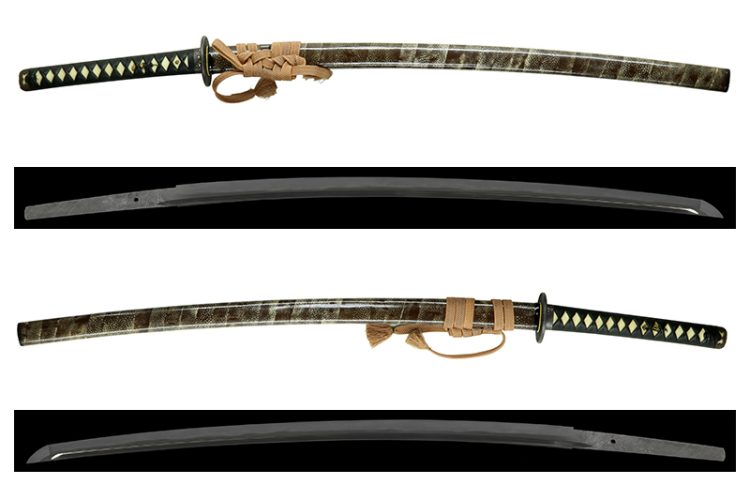
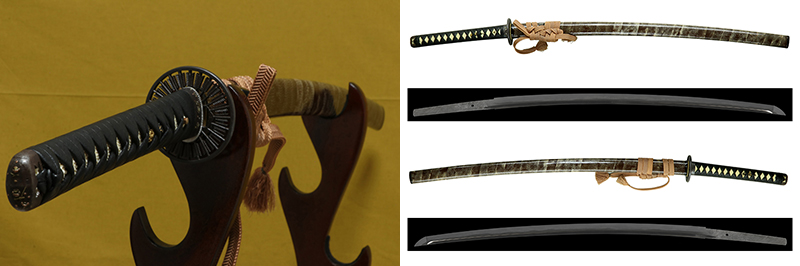
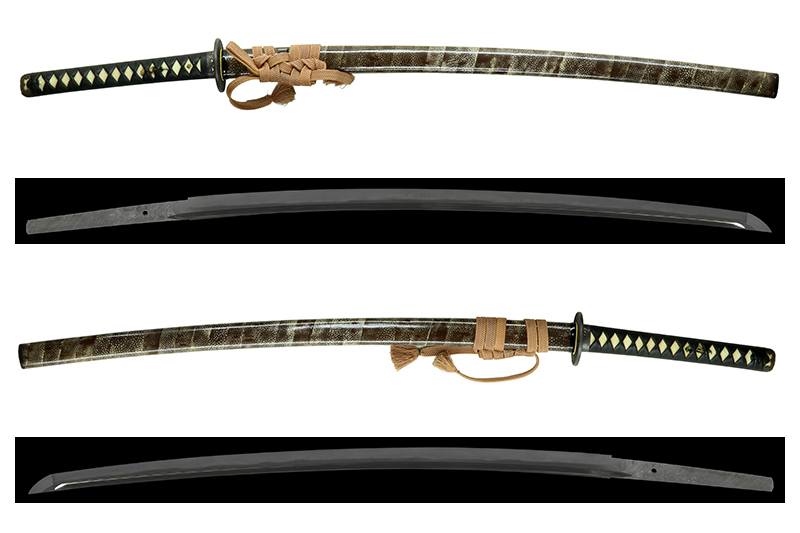
体配は鎬造り庵棟、身幅重尋常重、鳥居反り、中鋒。茎は生で化粧鑢がかかり、茎尻は刃上がりの栗尻と成る。
The blade is of shinogi-zukuri with an iori-mune.
The mihaba and kasane are of standard proportions, featuring torii-zori and a chū-kissaki.
The nakago is ubu (unaltered) with kesho-yasuri, and the nakago-jiri is finished in ha-agari kurijiri form.
「彫物 carving」
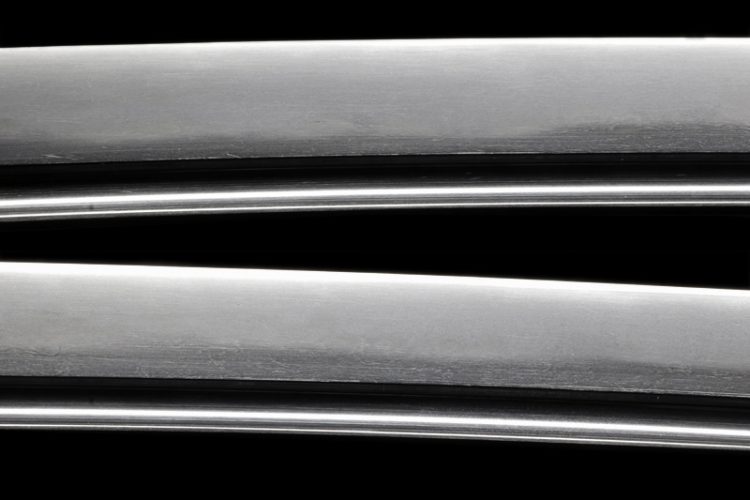
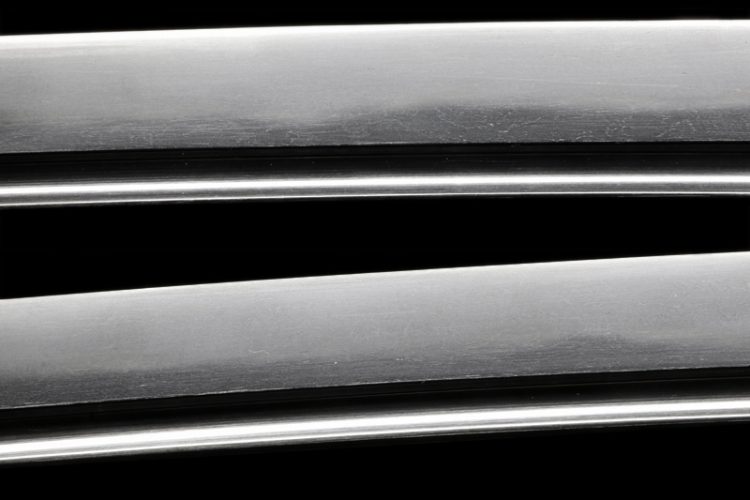
彫物は片チリの棒樋が鎺下に掻き流しと成る。
The horimono consists of a single bo-hi with kata-chiri, which is carried down and finished as kaki-nagashi just below the habaki.
「地鉄 jigane」
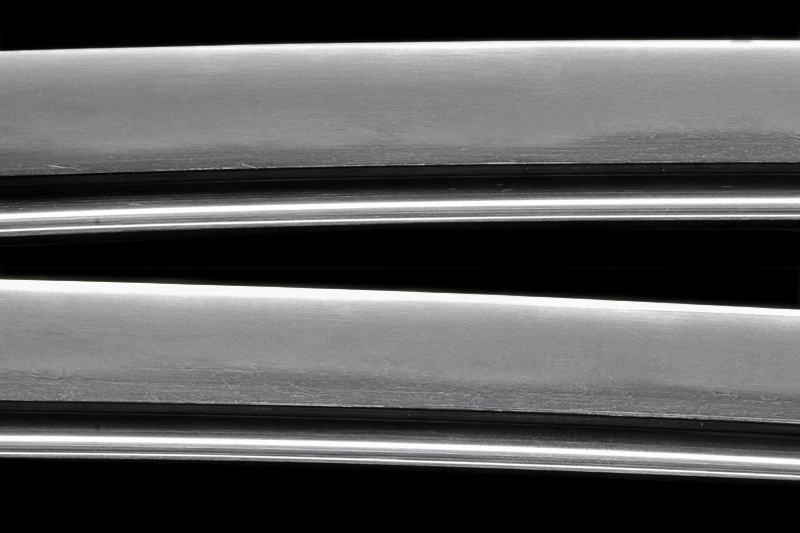
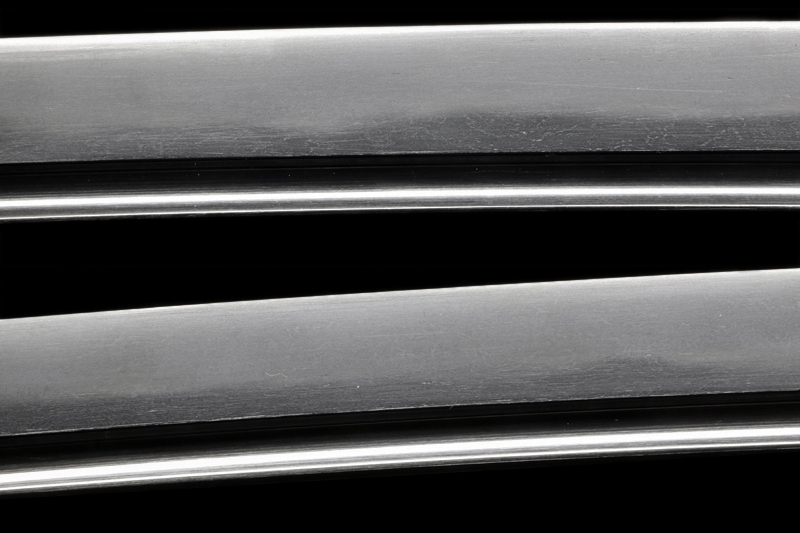
地鉄は小板目肌に地沸厚く付く。
The jigane is a tight ko-itame-hada with abundant and thick ji-nie.
「刃紋 hamon」
刃紋は、互の目乱れで、尖り刃を交え足良く入り、砂流しかかる。刃中は葉、金筋が入る。帽子は乱れ込み小丸に返る。
The hamon is a gunome-midare mixed with togari-ba, with well-defined ashi and areas of sunagashi.
Within the hamon, yō and kinsuji are clearly visible.
The bōshi is midare-komi, turning back in a small round (komaru) form.
「特徴 detailed」
建依別住靖國作之、本名は刈谷直治、大正6年11月10日の生まれ。昭和12年4月、靖国神社(財)日本刀鍛錬会に入会、小谷靖繁 刀匠の先手を勤め、昭和18年に陸軍受命刀匠の認可後は、土佐日本刀鍛錬組合で鍛刀する。 終戦後は、GHQにより日本刀制作が禁止されたが、昭和26年9月のサンフランシスコ講和条約締結により作刀が解禁となり、その記念刀を作る。 その後、旺盛な作刀意欲を維持し続け、作刀に励み、新作名刀展・入選19回。新作刀展覧会・入選5回、高知県展・入選 20回以上という多大な功績を残す刀匠です。また最後の靖國刀匠としても有名な方で、映画「靖国YASUKUNI」にも出演されました。 それから建依別と言うのは土佐の古名で、古事記によれば、四国は、「一身にして四面、伊豫を愛比売(えひめ)、讃岐を 飯依比古(いいよりひこ)、阿波を大宣都比売(おおげつひめ)、土佐を建依別(たけよりわけ)という。」と記されています。
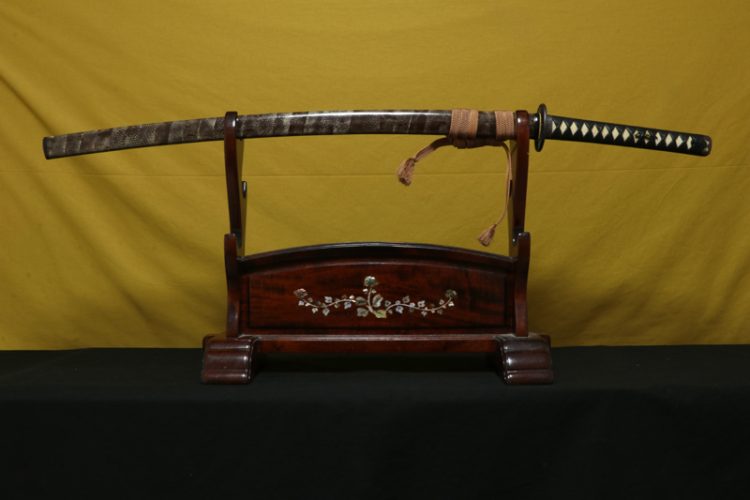
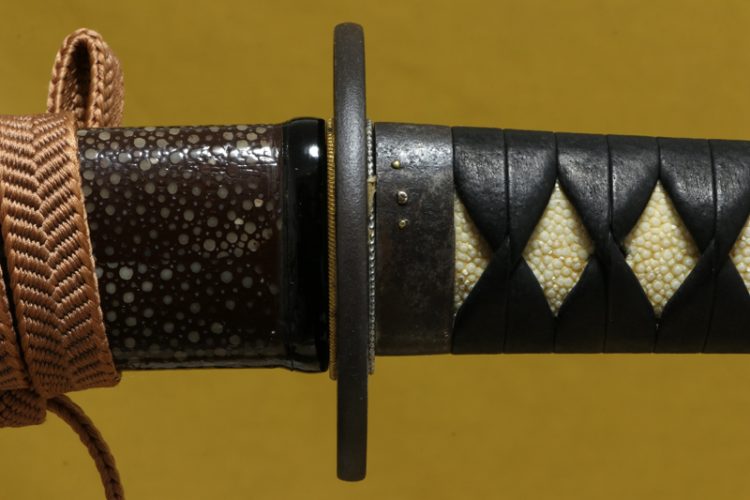
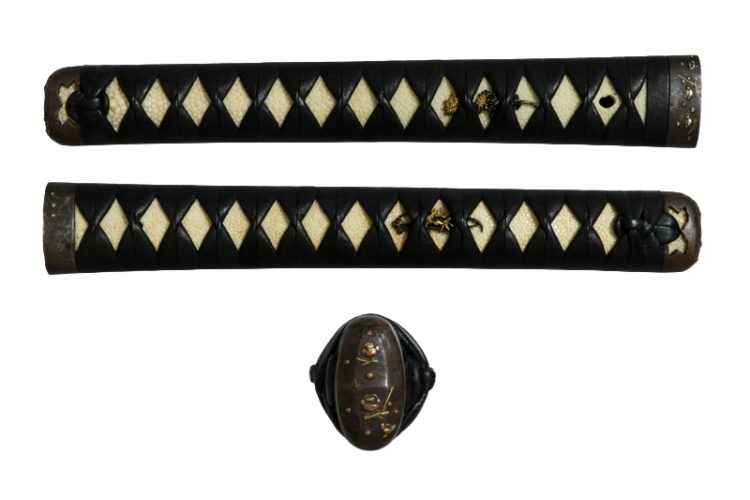
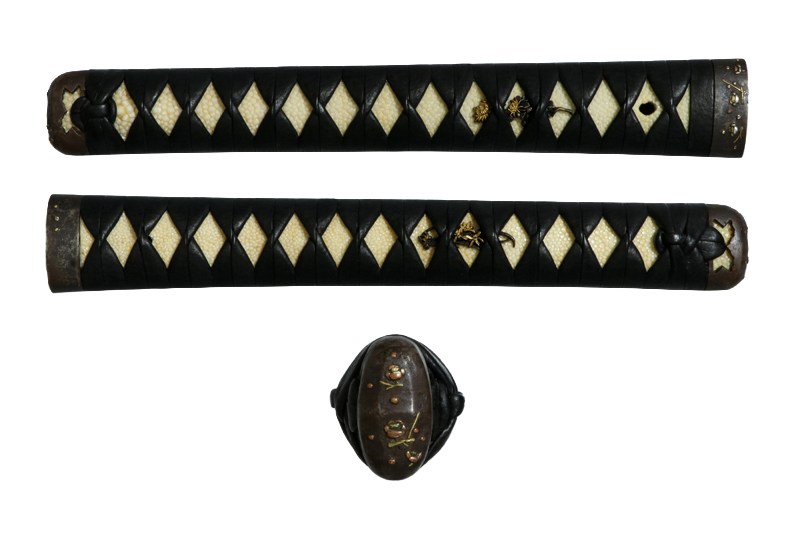
本作、居合用に作られた刀で、抜身が928gと軽く手持ちバランス良く仕上がっています。 また鞘は短冊に切った鮫革を巻いて研ぎ出した物、縁頭は江戸時代と、高級な仕様と成っています。
刀身は研ぎ上げたばかりで、柄巻は新品です。
最近は、中古の居合刀の入荷が、著しく減っています、どうかこの機会を逃さず手に入れて下さい。
Tateyoribetsu-jū Yasukuni saku. Real name: Kariya Naoharu. Born on November 10, 1917 (Taishō 6).
In April 1937 (Shōwa 12), he joined the Yasukuni Shrine (Foundation) Japanese Sword Forging Association, where he served as the lead assistant to the swordsmith Kotani Yasushige.
After being officially certified as an Army-Approved Swordsmith (Rikugun Jumei Tōshō) in 1943 (Shōwa 18), he forged swords as a member of the Tosa Japanese Sword Forging Association.
After the end of World War II, sword production was prohibited by GHQ; however, with the signing of the San Francisco Peace Treaty in September 1951 (Shōwa 26), swordmaking was once again permitted. To commemorate this historic occasion, he forged a special commemorative sword.
Thereafter, he maintained an exceptional level of dedication to swordmaking and achieved outstanding success, earning numerous distinctions, including:
19 selections at the Newly Made Master Sword Exhibition
5 selections at the Newly Made Sword Exhibition
Over 20 selections at the Kōchi Prefectural Exhibition
He is also widely known as the last Yasukuni swordsmith and appeared in the documentary film “Yasukuni”.
The name “Tateyoribetsu” is an ancient name for Tosa Province. According to the Kojiki, Shikoku is described as “one body with four faces”:
Iyo as Ehime, Sanuki as Iiyorihiko, Awa as Ōgetsuhime, and Tosa as Tateyoribetsu.
About this sword
This piece was made specifically for Iaido practice. With a drawn weight of 928 grams, it is light, well balanced, and comfortable in hand.
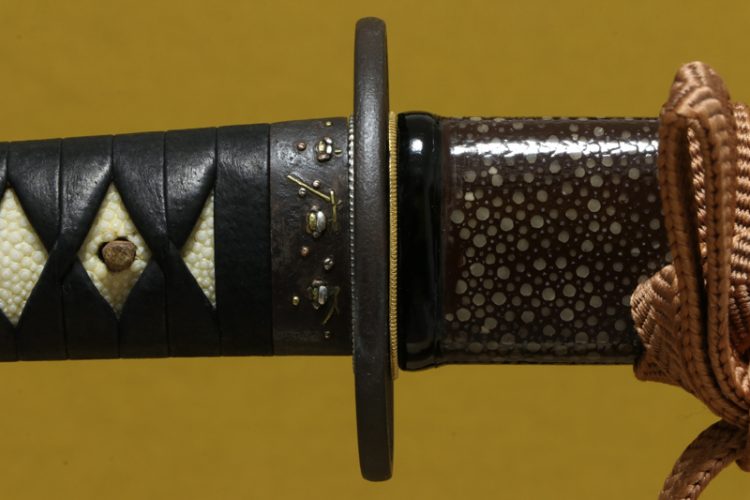
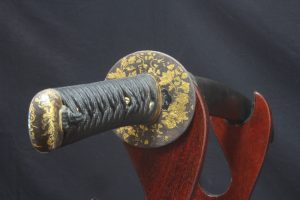
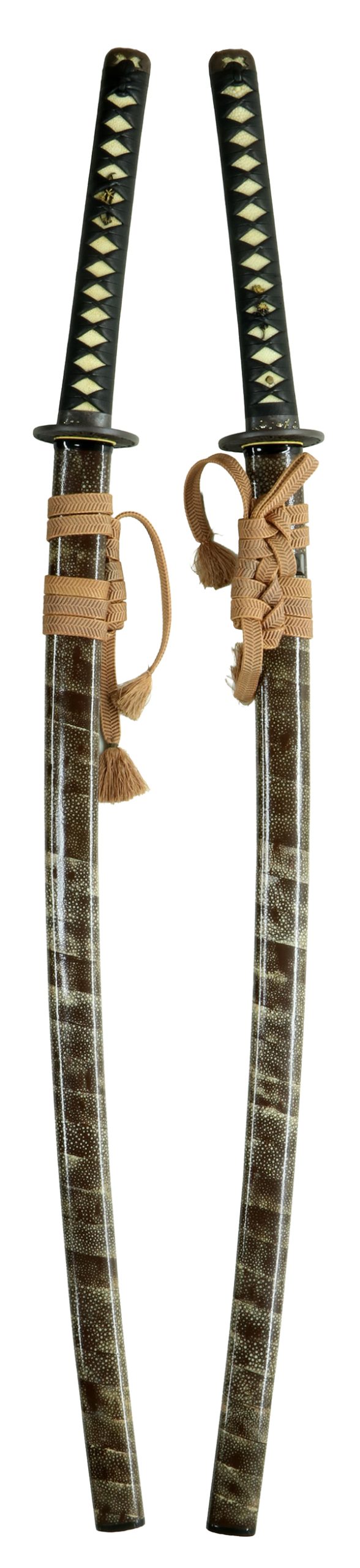
The saya is finished with polished samegawa panels cut into rectangular strips, and the fuchi and kashira are Edo-period fittings, giving the sword a refined, high-grade specification.
The blade has just been freshly polished, and the tsuka wrapping is brand new.
In recent years, the availability of used iaidō swords has decreased significantly.
Please do not miss this rare opportunity to acquire one.
「拵 Koshirae」
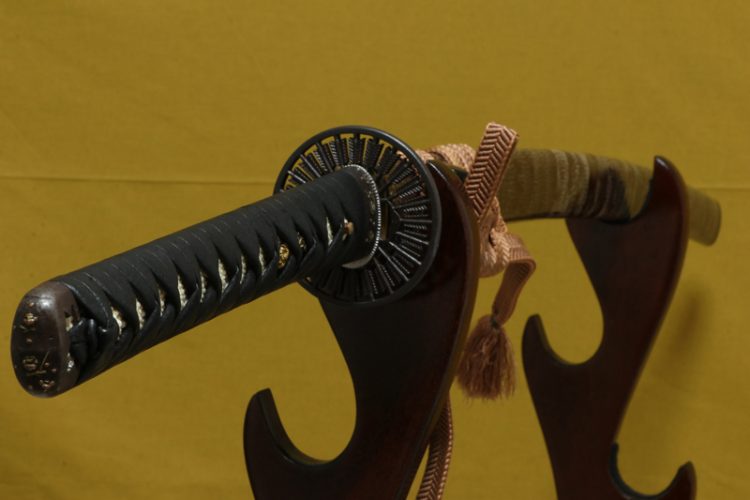
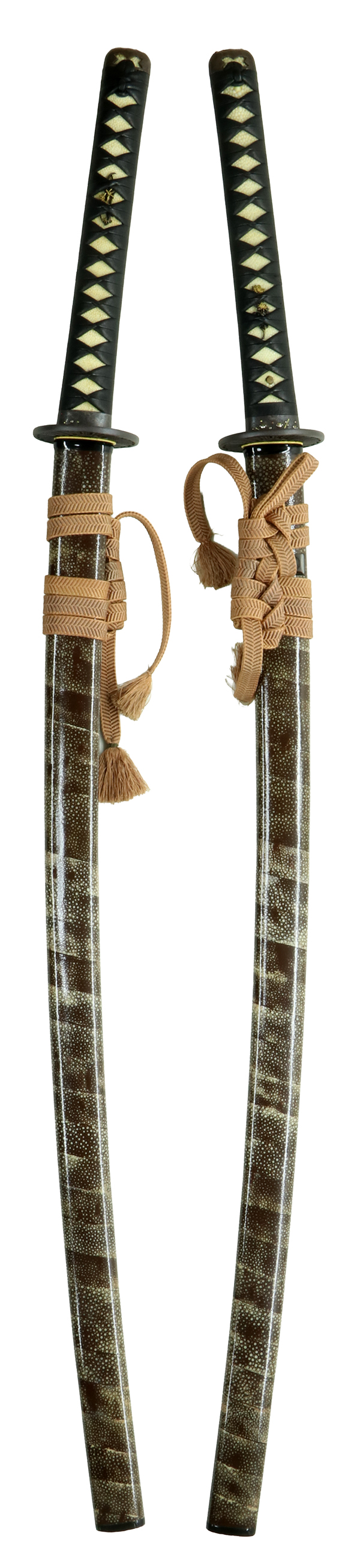
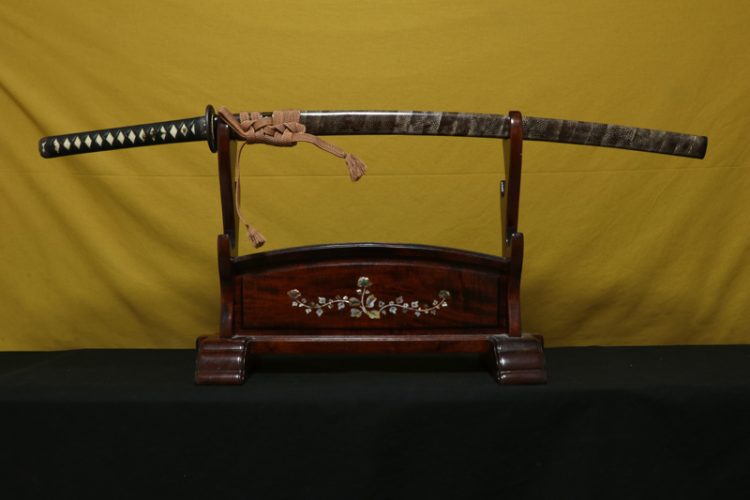
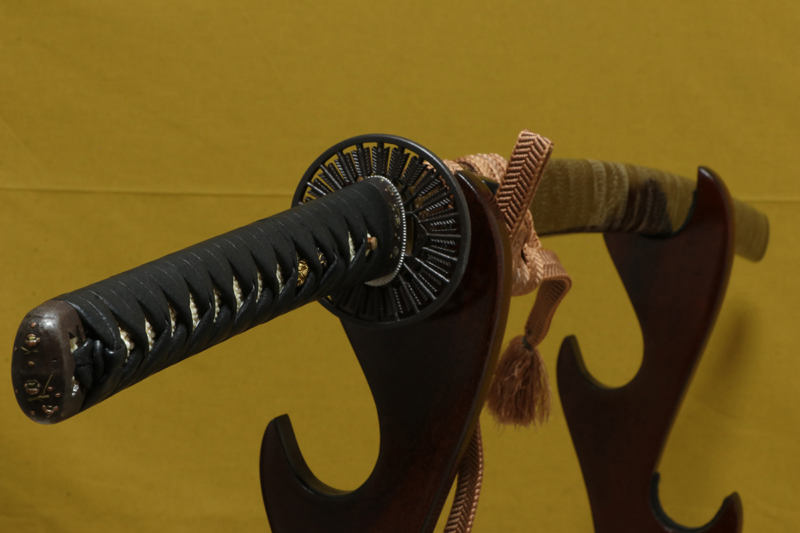
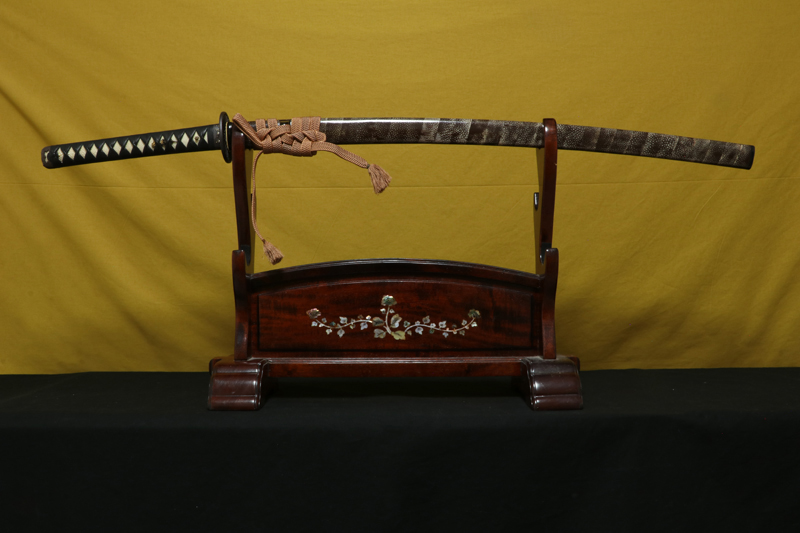
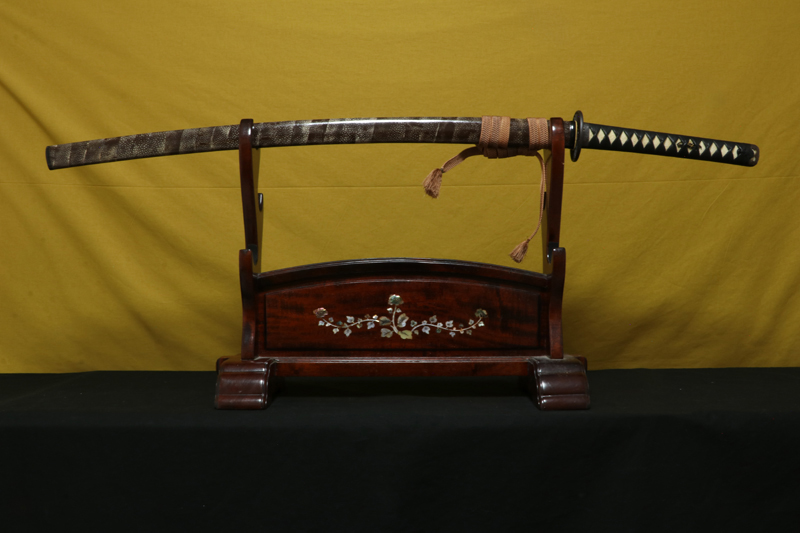
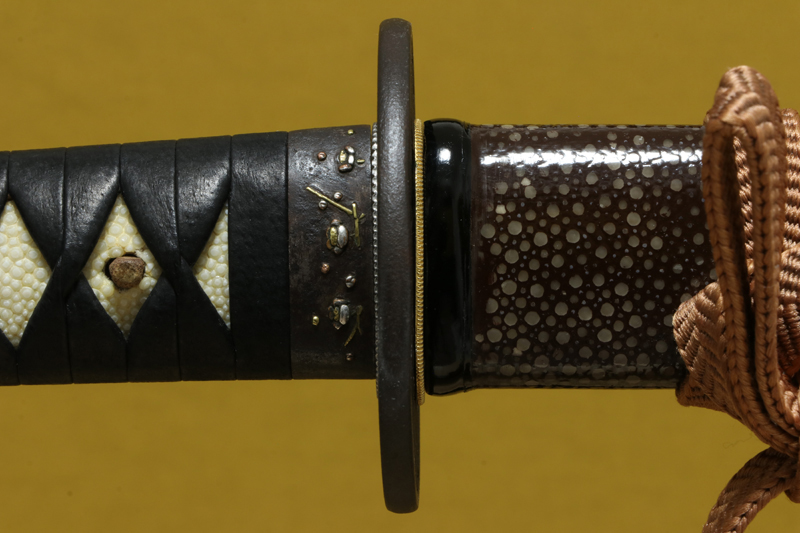
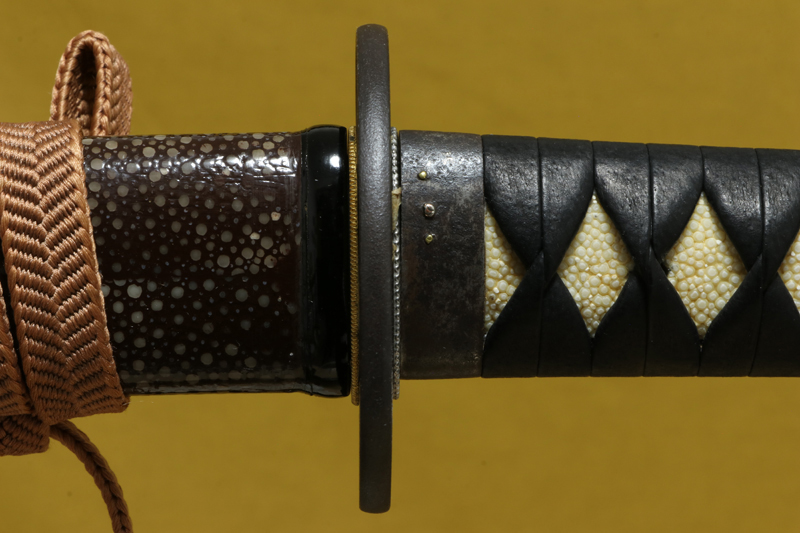
鞘は短冊に切った鮫革を巻いて研ぎ出した物です。
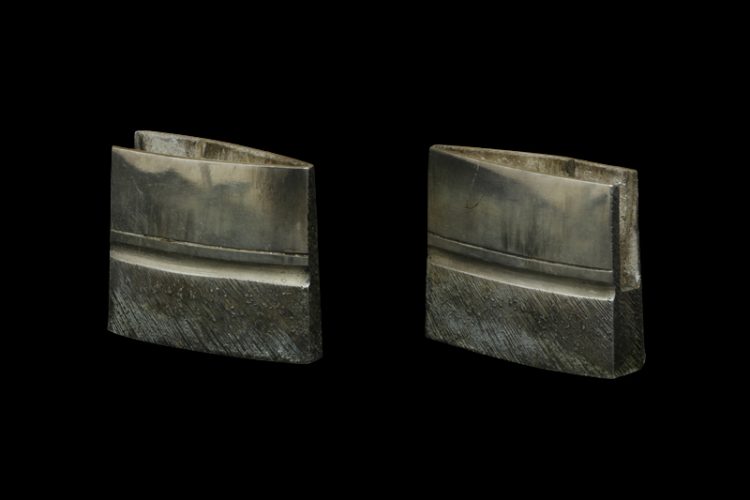
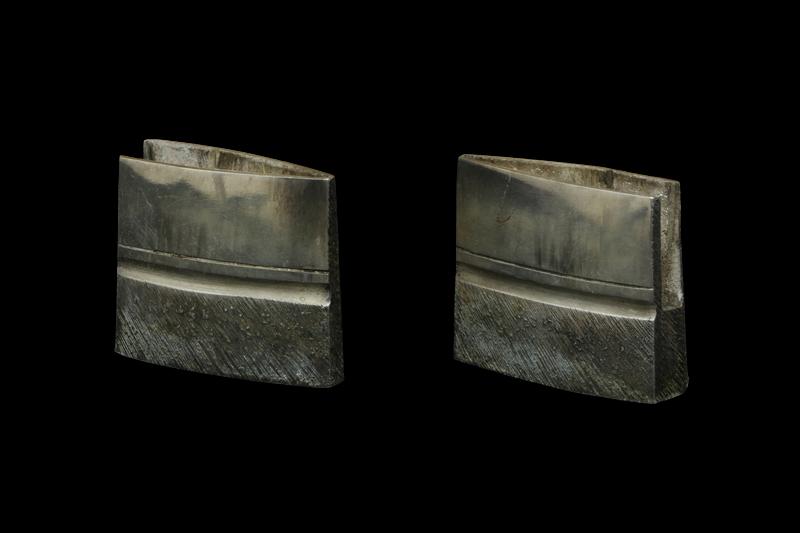
ハバキ(habaki) :銀無垢一重の庄内鎺。
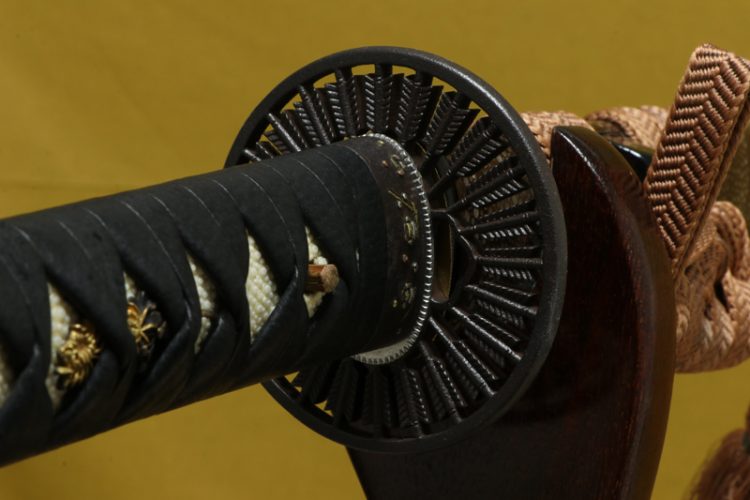
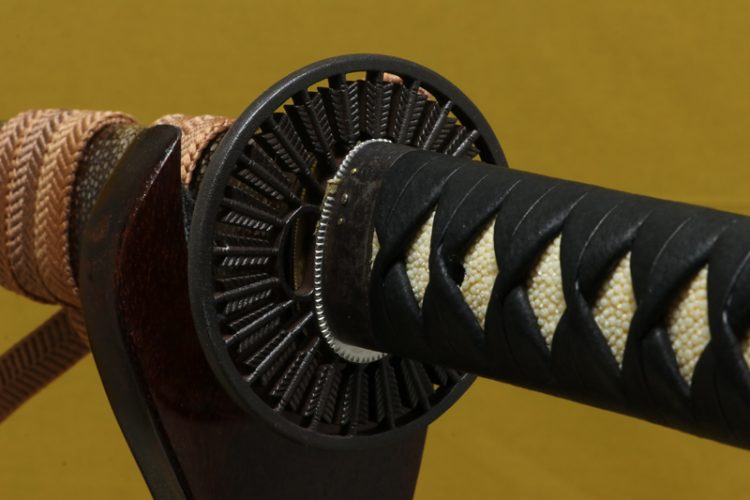
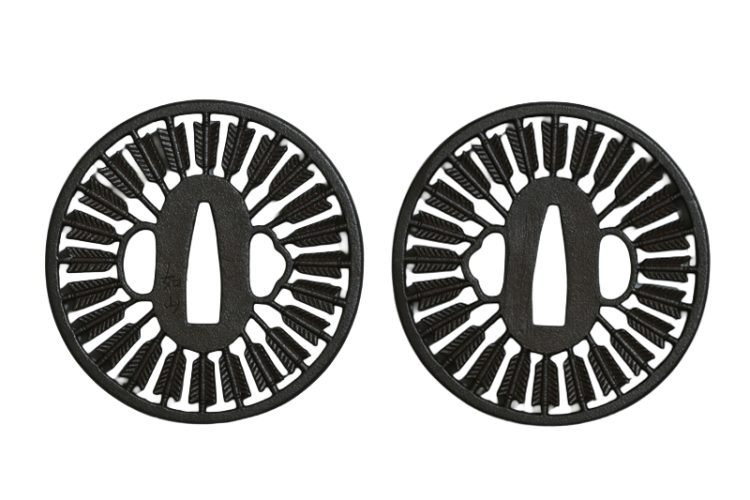
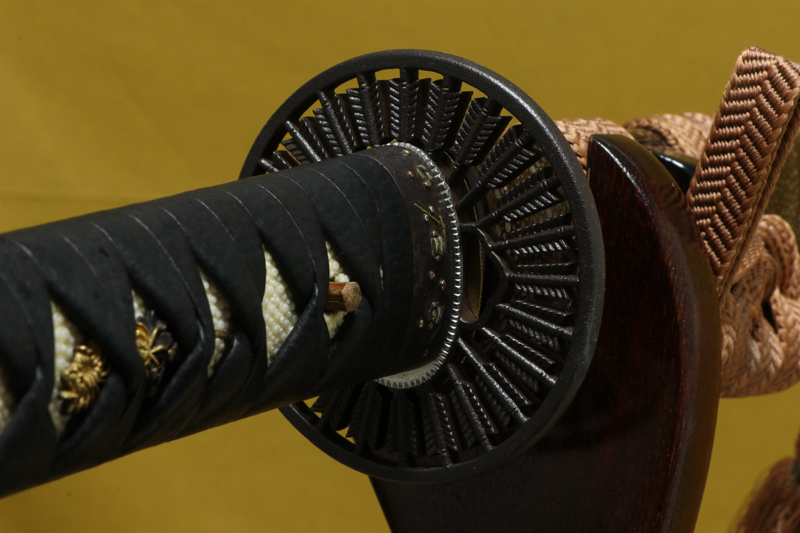
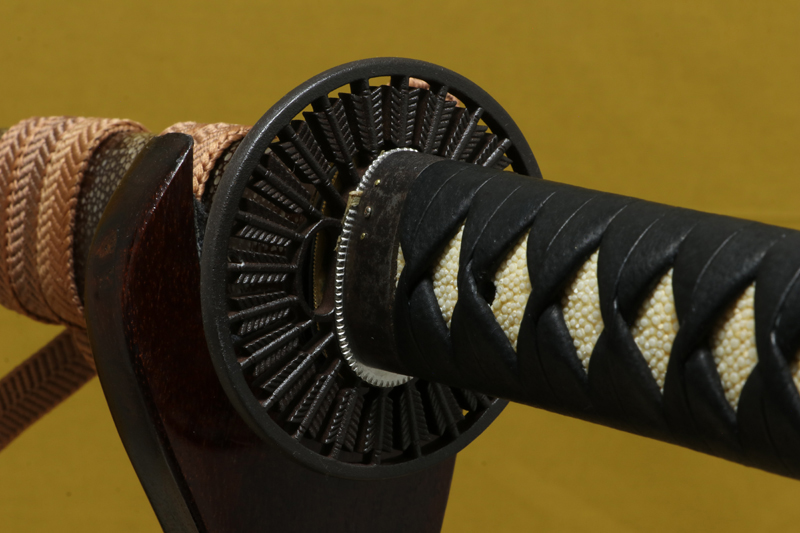
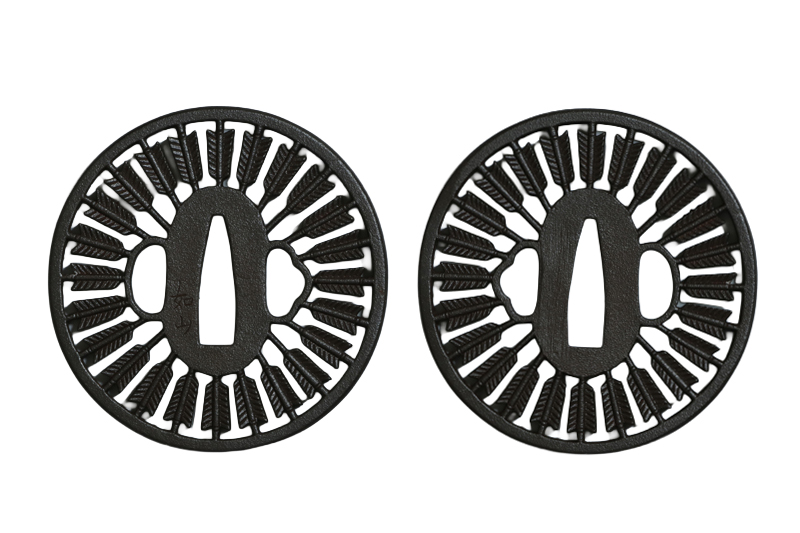
鍔(tsuba) :鉄地矢車の図(New)。
縁頭(fhchikashira):鉄地梅の図金象嵌。
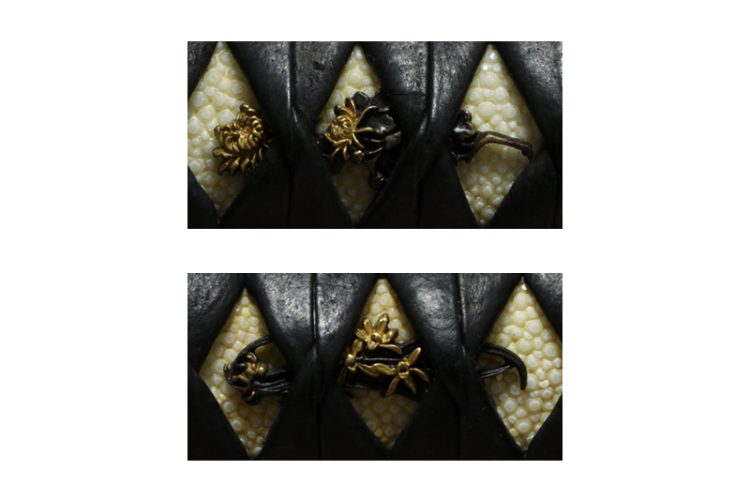
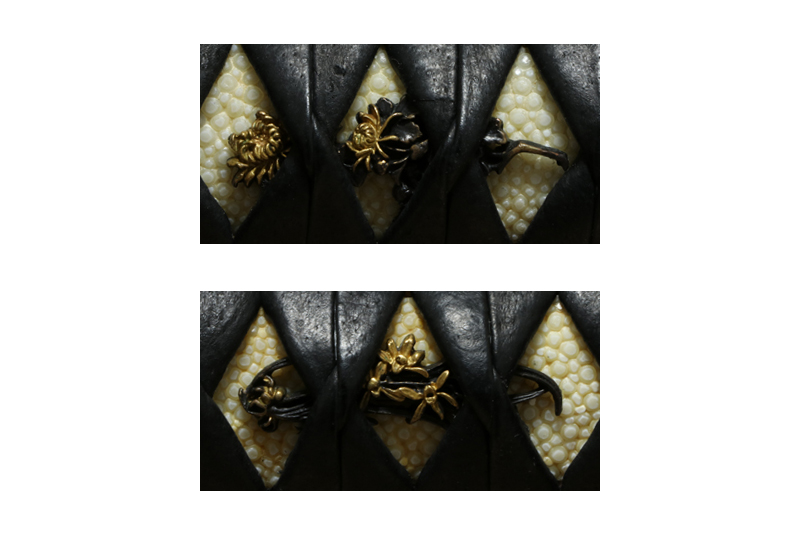
目貫(menuki) :菊の図。
柄(tsuka) :鮫は親粒が付く、柄巻きは豚表革の諸捻り巻。
鞘(saya) :短冊鮫巻研ぎ出し鞘。
「刀剣の状態 condition of blade」
研:研ぎ上げたばかりです。
傷:欠点に成るような傷は有りません。