説明
「刀姿 sword figure」
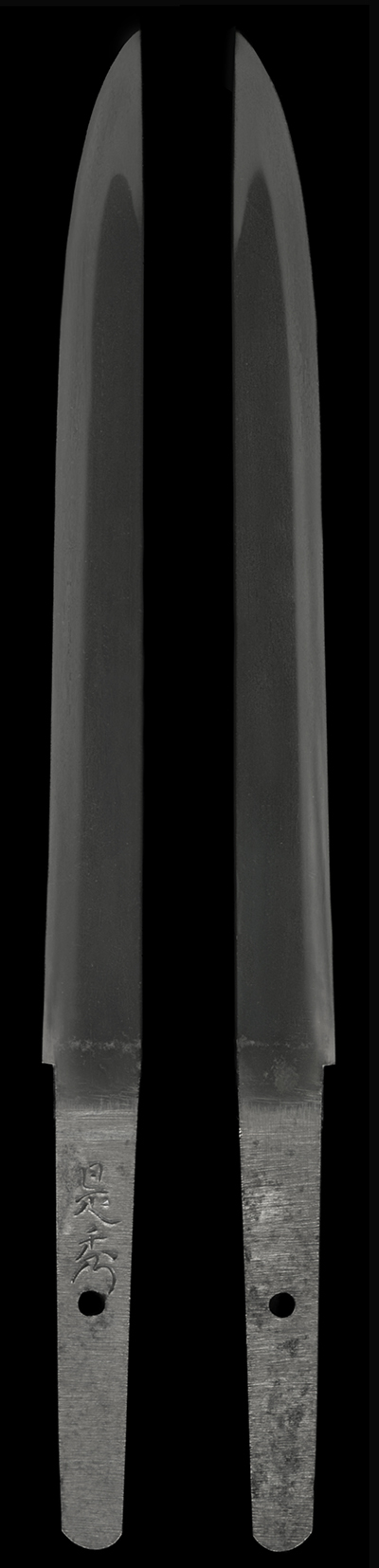
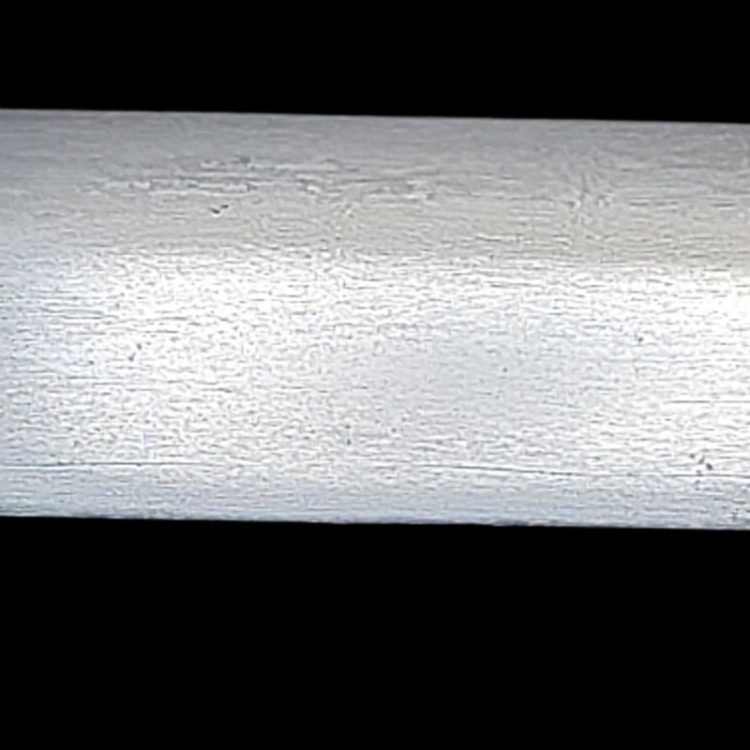
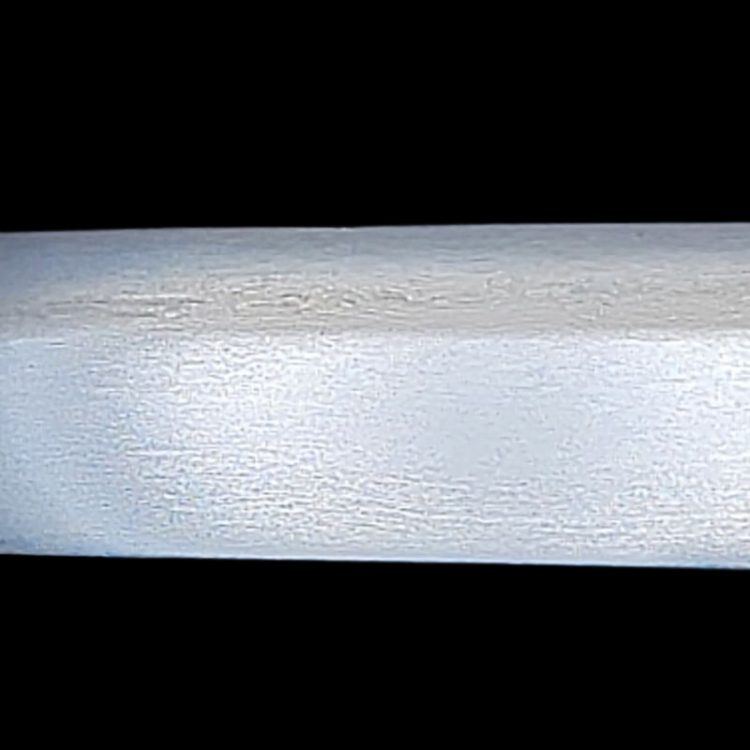
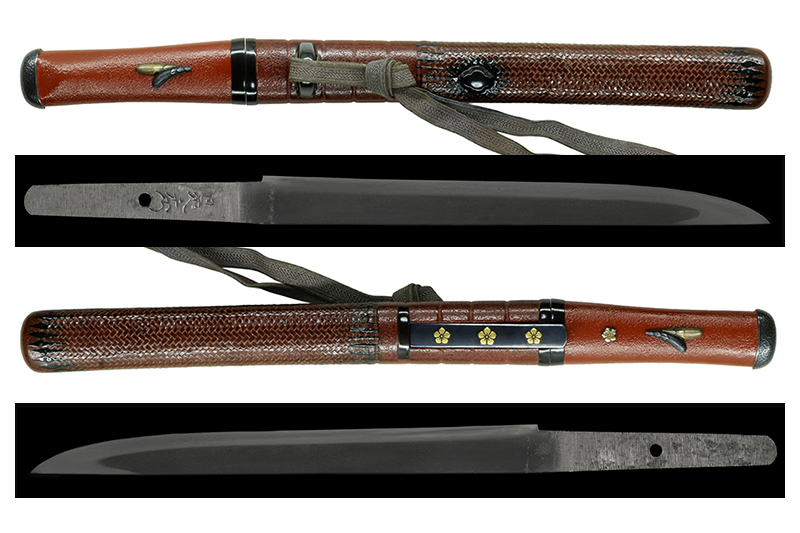
平造り庵棟、身幅重尋常、無反りふくら枯れる。茎は生で切り鑢がかかる、茎尻は栗尻。
「地鉄 jigane」
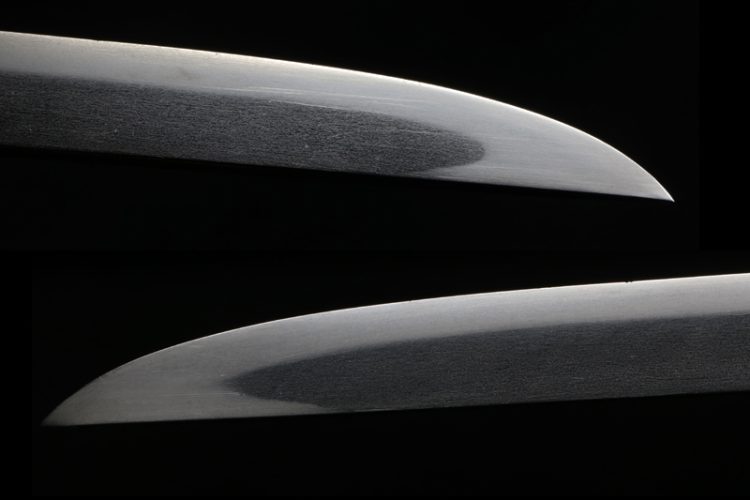
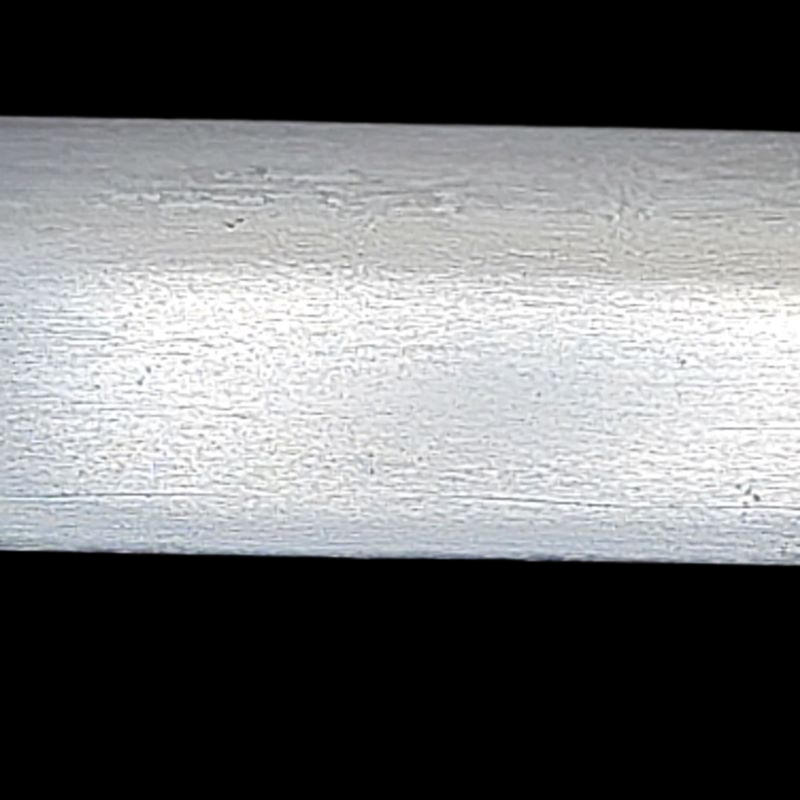
地鉄は、小板目が良く詰み、地沸厚く付く。
「刃紋 hamon」
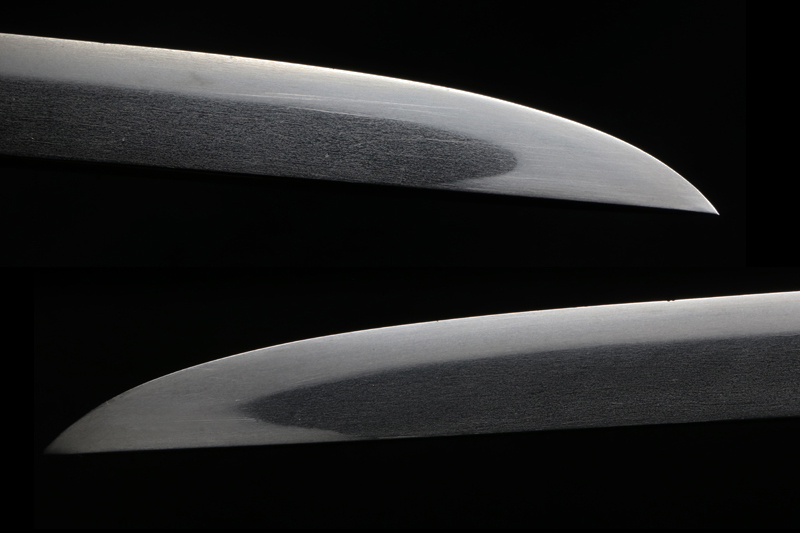
刃紋は、小沸出来の中直刃、刃縁砂流しかかり、刃中は金筋が良く働く。釯子は直ぐに入り小丸に返る。
「特徴 detailed」
千代鶴是秀(本名:加藤廣)は、明治7年に東京飯倉に生まれました。父は二代目長運斎綱俊です。祖父の長運斎綱俊は米沢藩御用鍛冶であり、その姉の子である七代目石堂運寿是一は幕府お抱え鍛冶という、名門の刀鍛冶の家系に生まれました。
しかし、明治9年の廃刀令により刀剣の需要が途絶えたため、明治17年6月4日、11歳のときに父・二代目長運斎綱俊の弟である八代目石堂是一(寿永)の弟子として石堂家に預けられ、道具鍛冶の道へ進むこととなります。その後、明治32年頃に独立し、「千代鶴是秀」と号しました。昭和32年に84歳で没するまで、その名声とともに多くの逸話を残しています。
本作は、名工是秀による短刀です。長運斎綱俊譲りのよく詰んだ小板目肌を鍛え、働きのある中直刃を焼いた優れた一振りです。
刀身は古研ぎのためわずかにヒケが見られますが、概ね良好なコンディションを保っています。
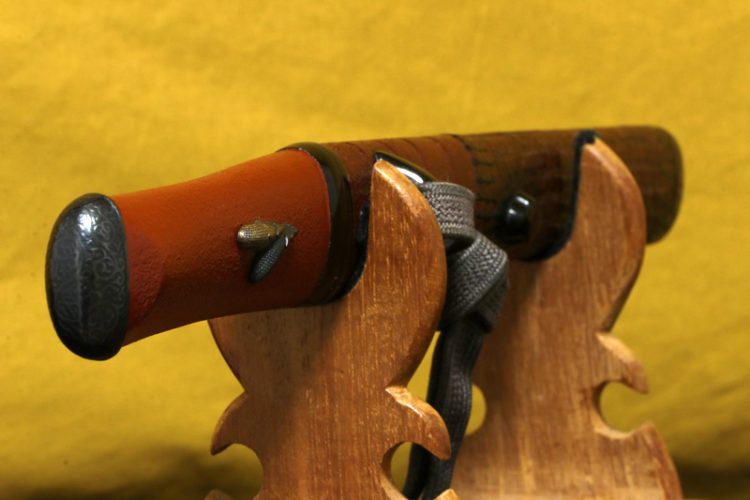
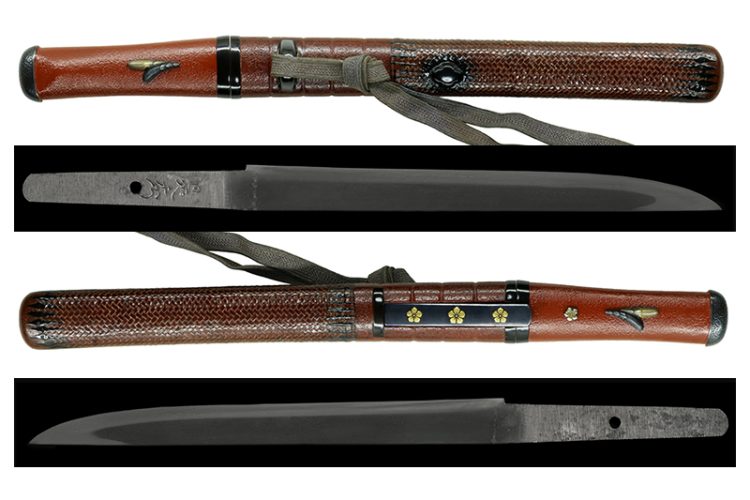
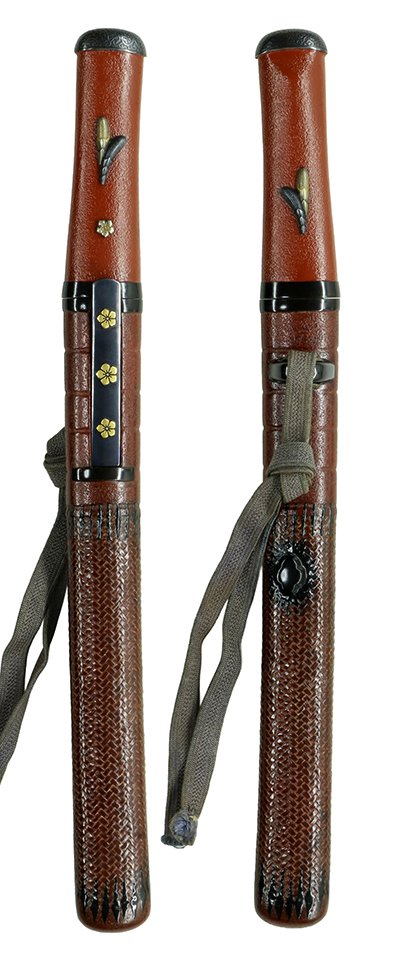
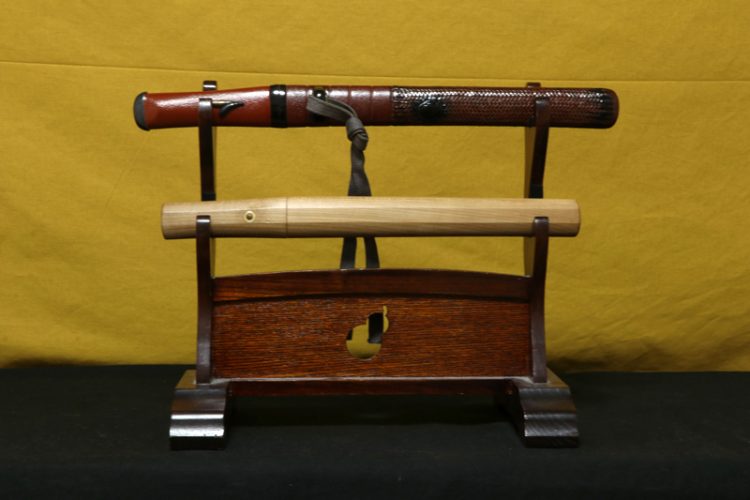
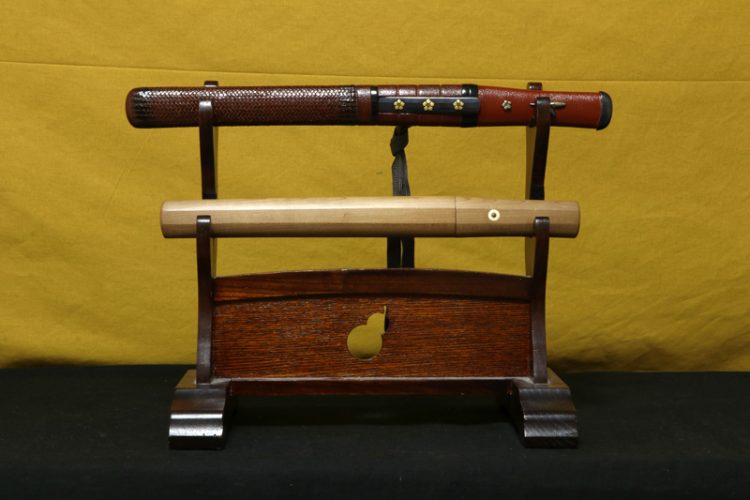
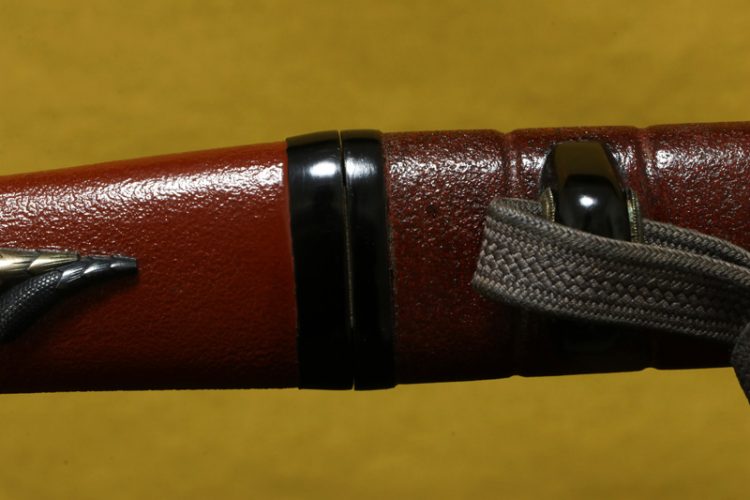
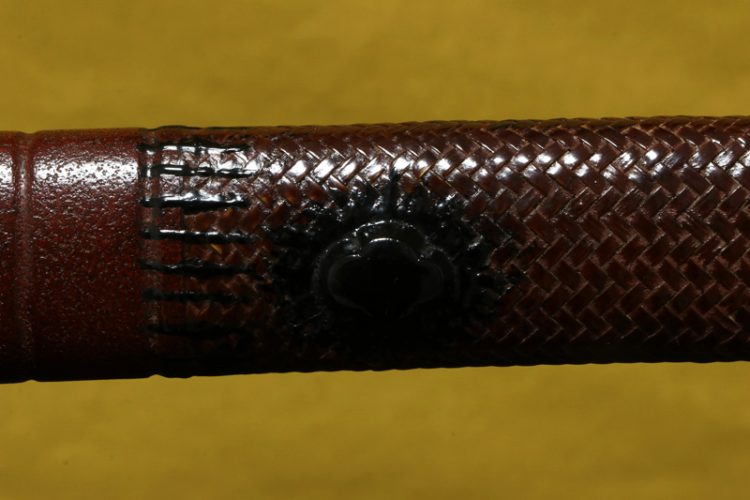
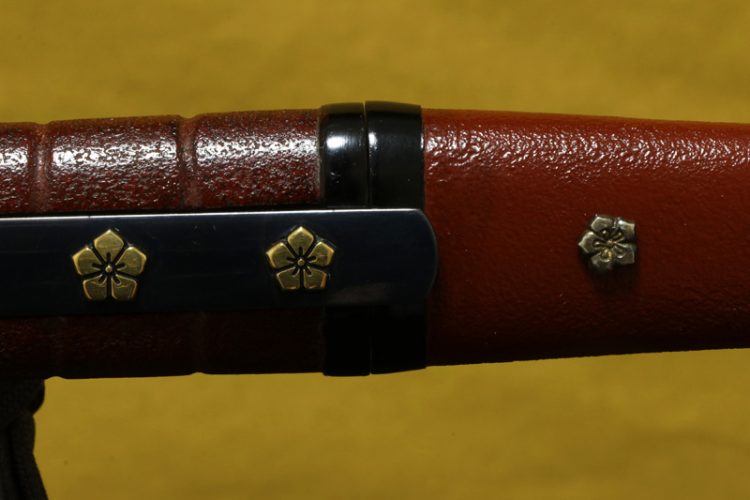
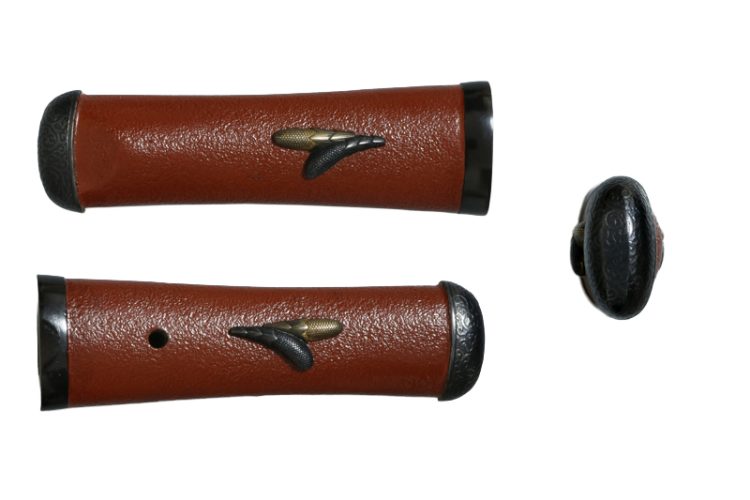
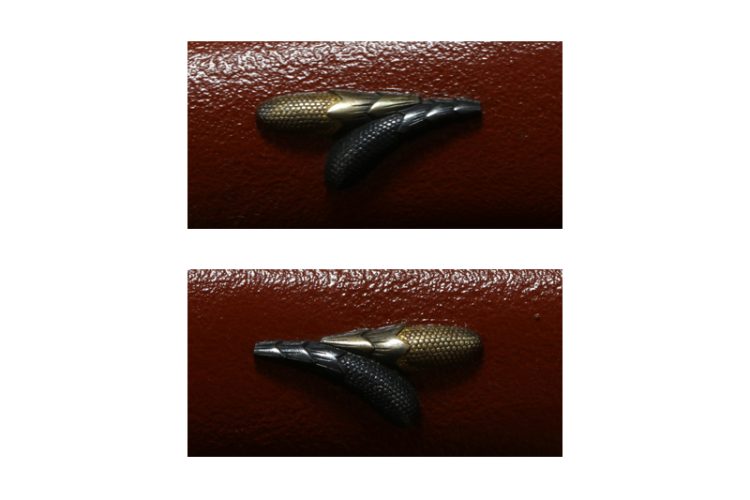
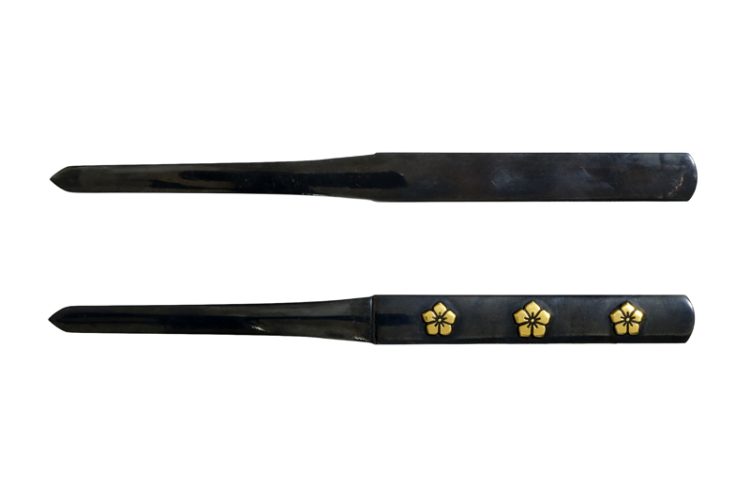
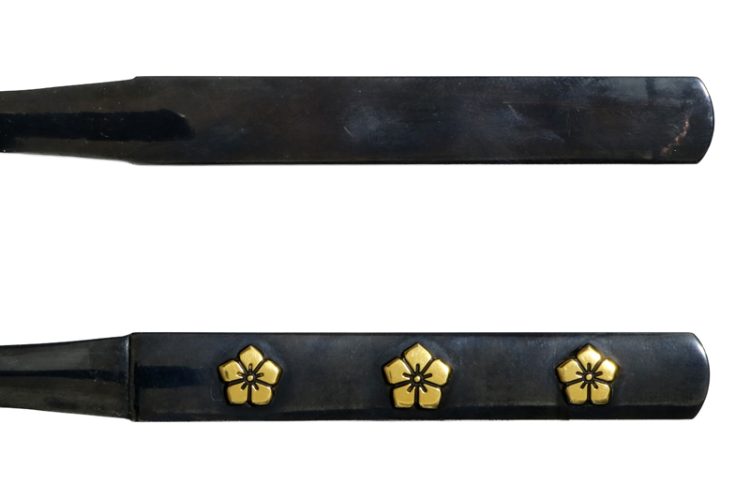
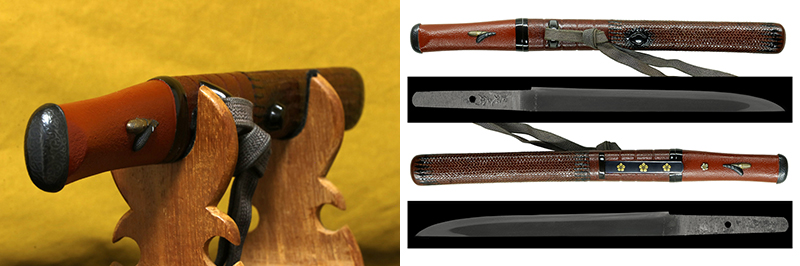
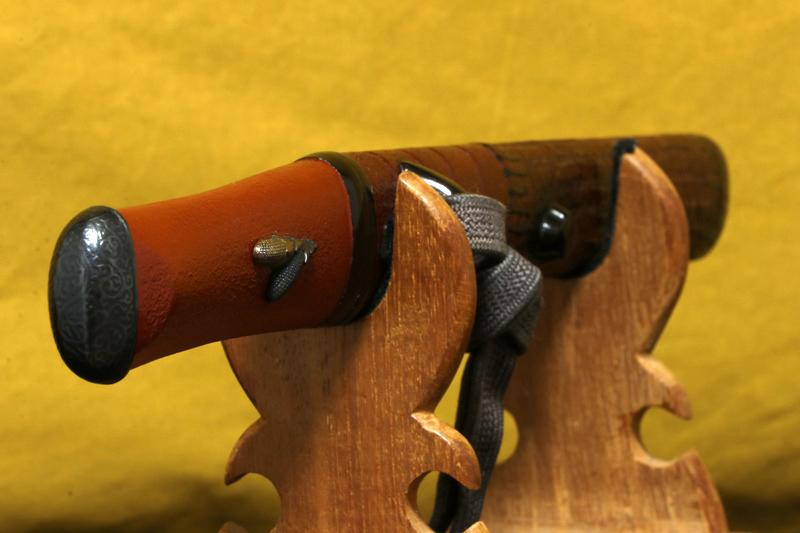
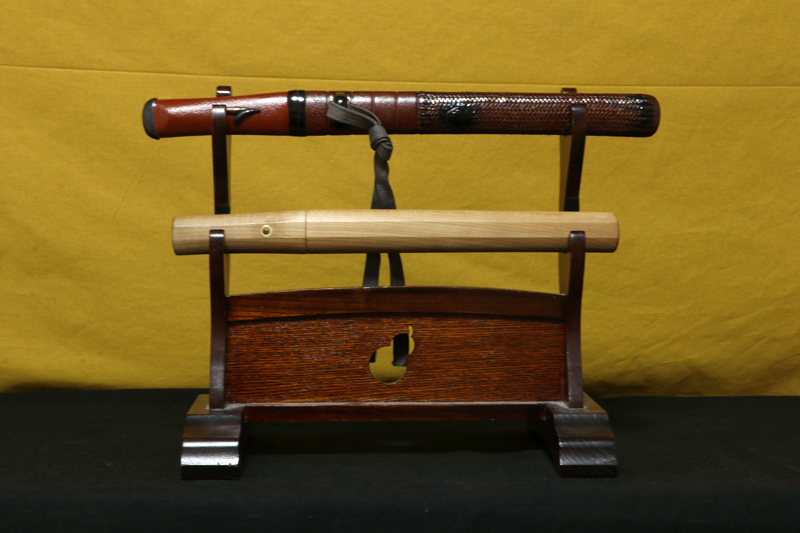
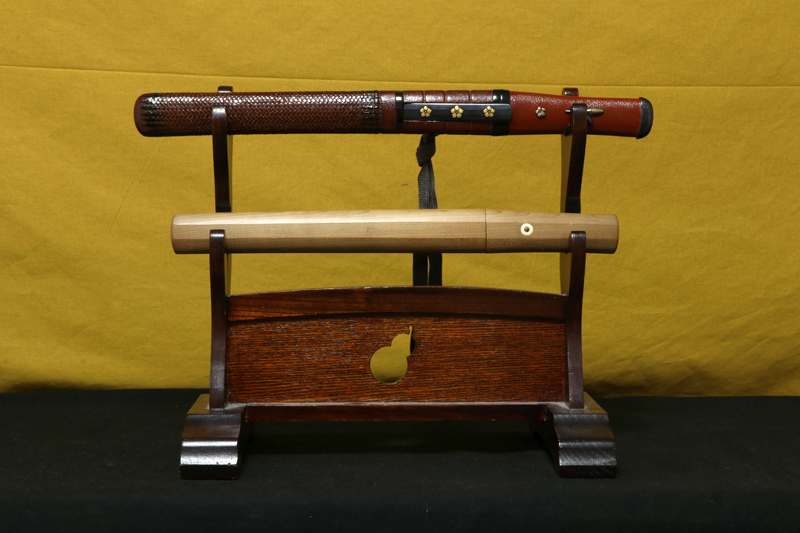
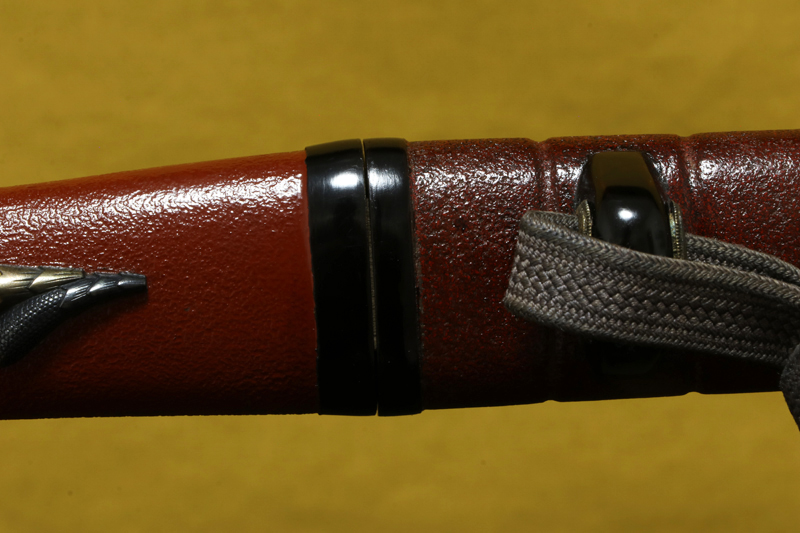
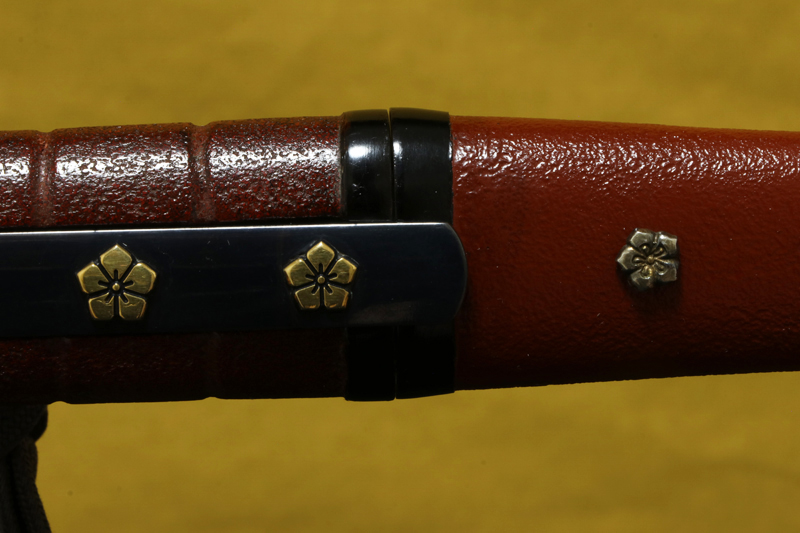
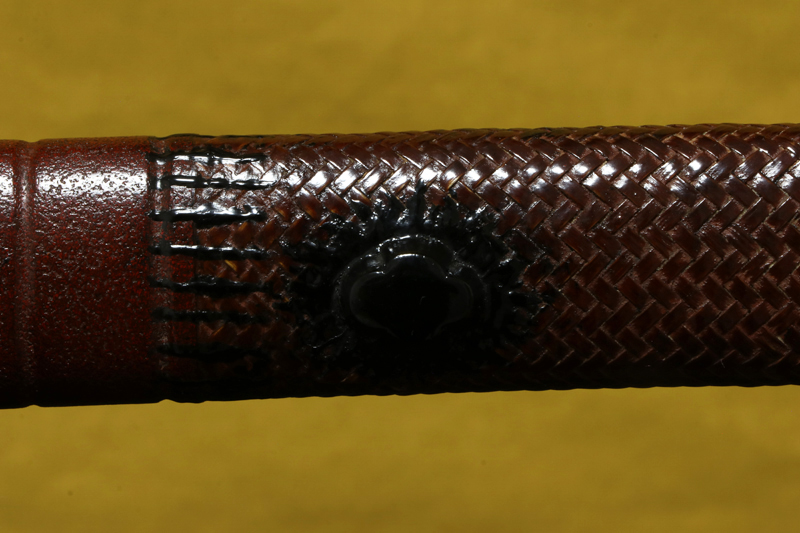
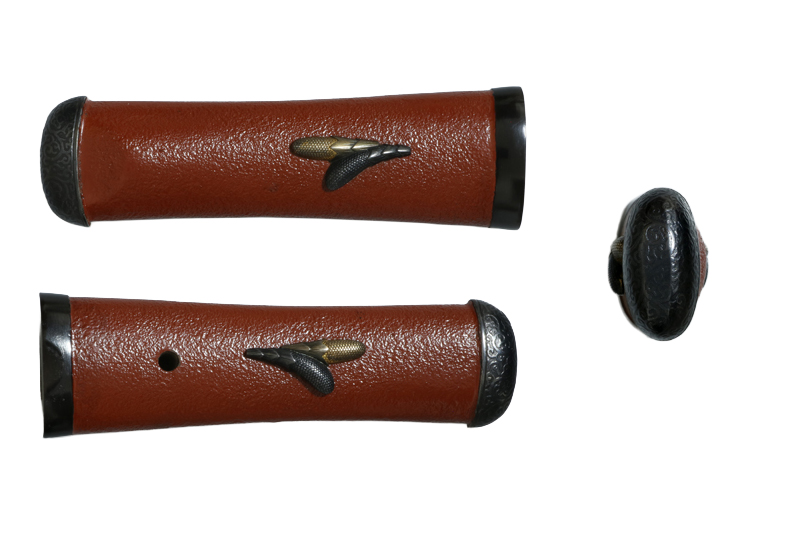
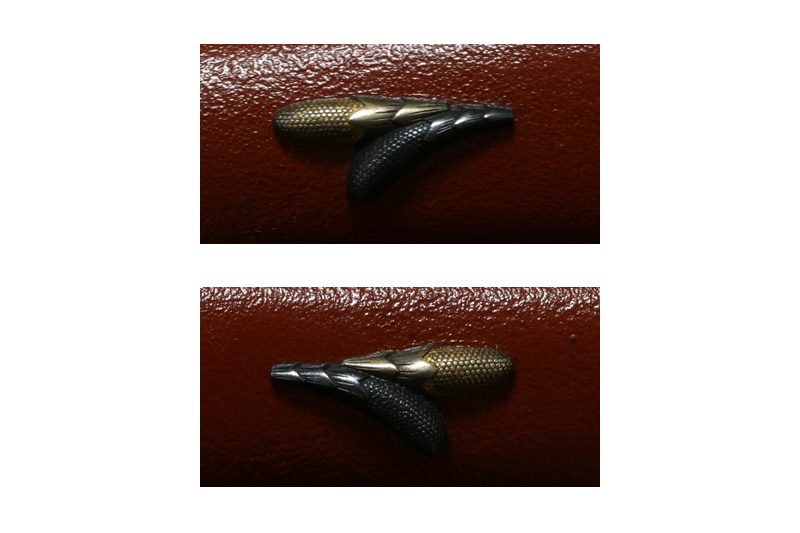
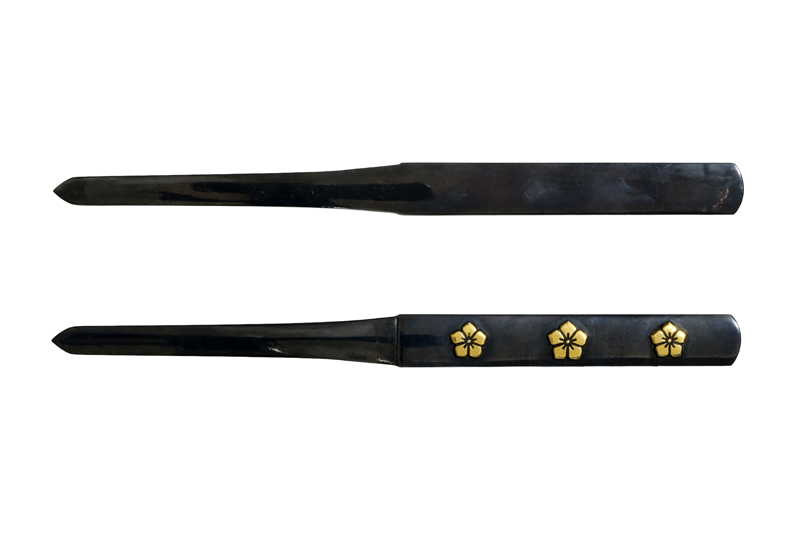
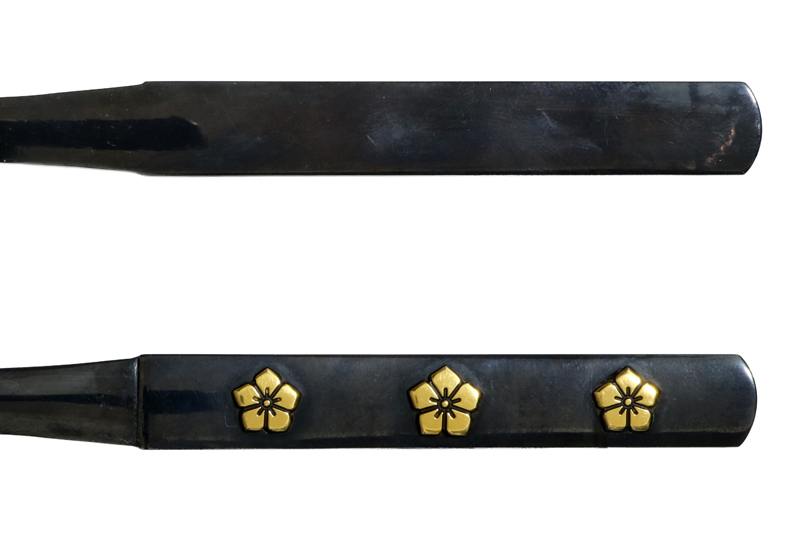
拵もまた素晴らしい合口拵です。鞘は鯉口から約8cmにわたり印籠刻みが施され、その下には編み込まれた網代が被せられています。目釘金具には桔梗紋があしらわれ、馬針にも同様の桔梗紋が施されています。目貫は土筆の図で、全体のコンディションも極めて良好です。
千代鶴是秀の短刀は非常に珍しく貴重であり、またこの合口拵も品質が高く、コレクションに最適な一振りです。
Chiyozuru Korehide (real name: Kato Hiroshi) was born in 1874 (Meiji 7) in Iikura, Tokyo. His father was the second-generation Chōunsai Tsunatoshi. His grandfather, Chounsai Tsunatoshi, served as an official swordsmith to the Yonezawa domain, and his granduncle’s son, the seventh-generation Ishido Unjū Korekazu, was a swordsmith in service to the Tokugawa shogunate. Thus, he was born into a distinguished lineage of swordsmiths.
However, due to the Haitōrei (Sword Abolishment Edict) of 1876, the demand for swords disappeared. As a result, on June 4, 1884, at the age of 11, he was placed with the Ishidō family as a disciple of the eighth-generation Ishido Korekazu (Juei), the younger brother of his father, and began his path as a toolsmith. Around 1899 (Meiji 32), he became independent and adopted the name “Chiyozuru Korehide.” Until his passing in 1957 at the age of 84, he left behind numerous achievements and anecdotes along with his renowned reputation.
This piece is a tantō made by the master craftsman Korehide. It features a finely forged ko-itame hada inherited from Chōunsai Tsunatoshi, and is tempered in an active chu-suguha hamon, making it an excellent work.
Although the blade is in an old polish and shows some minor surface scratches (hike), it remains in generally good condition.
The koshirae is also an outstanding aikuchi-koshirae. The saya features inro-style carving extending approximately 8 cm from the koiguchi, with woven ajiro overlay below. The mekugi-ana fitting is decorated with a kikyō crest, which is also applied to the umabari. The menuki depict horsetail plants (tsukushi), and the overall condition is excellent.
Tantō by Chiyozuru Korehide are extremely rare and highly valuable. Furthermore, this high-quality aikuchi koshirae makes it an ideal piece for a collection.
「拵 Koshirae」
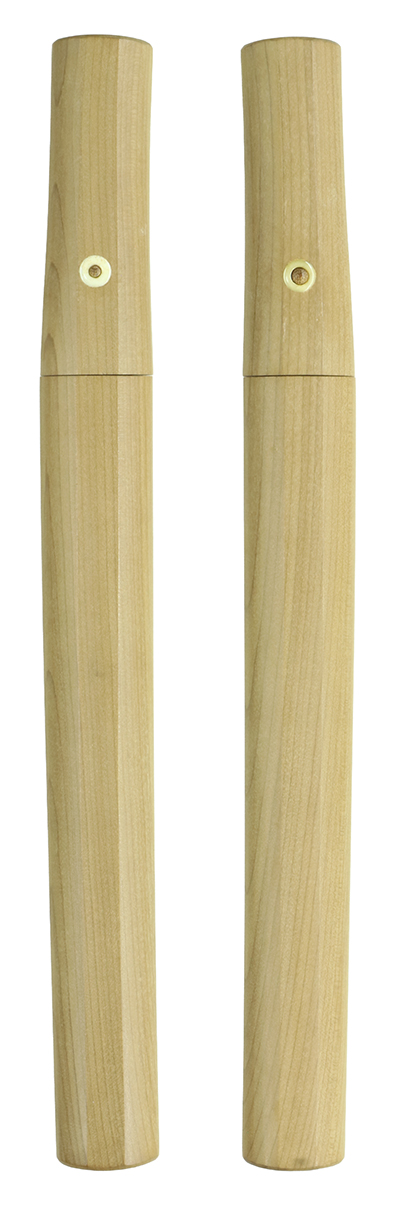
網代鞘鯉口印籠刻み鞘合口拵、白鞘、つなぎ。
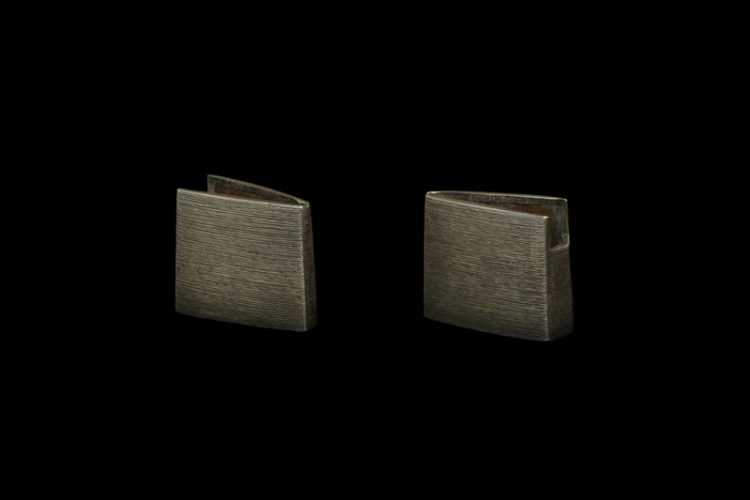
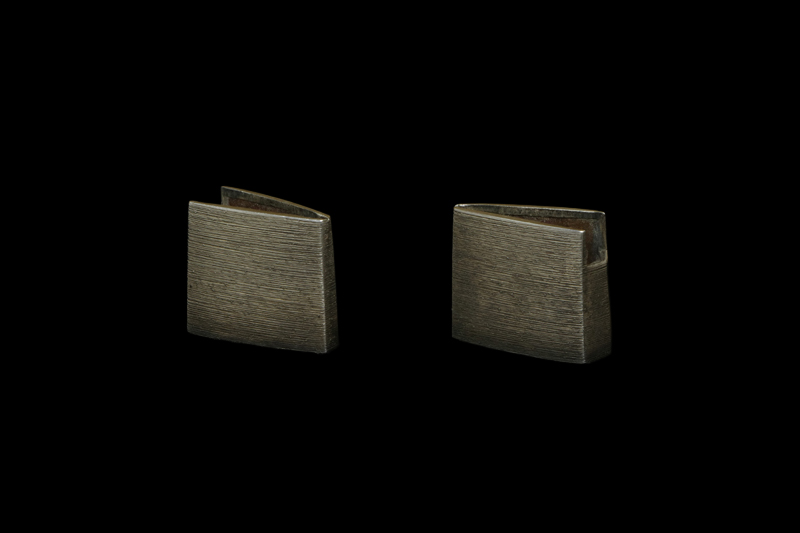
ハバキ(habaki) :素銅地銀着一重の縦鑢。
頭(kashira) : 赤銅地唐草の図。
目貫(menuki) :赤銅地土筆の図。
鞘(saya) :焦茶色、網代鞘鯉口印籠刻み鞘、
「刀剣の状態 condition of blade」
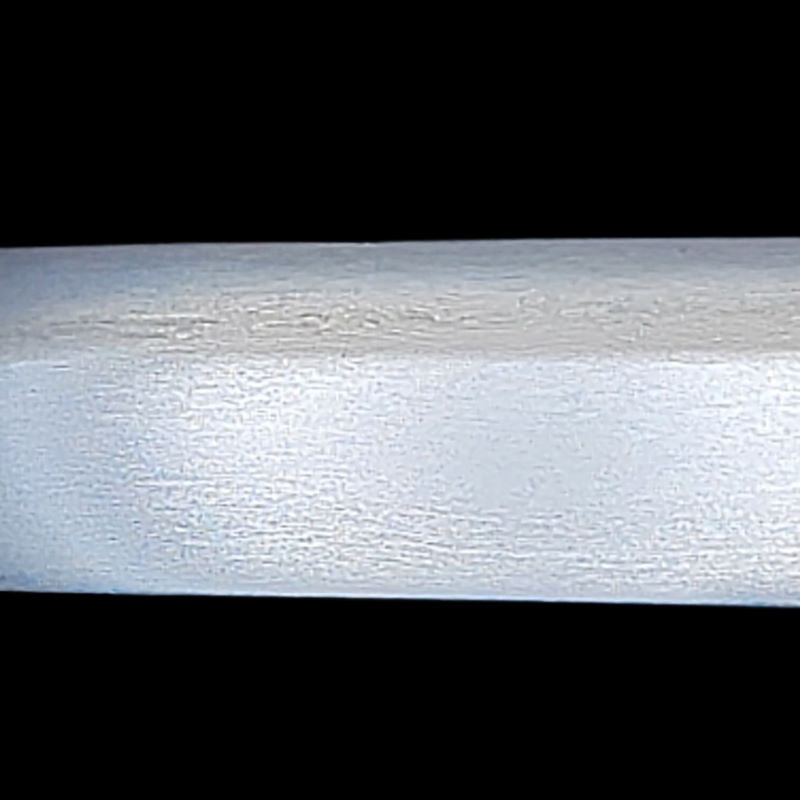
研:古研ぎのためわずかにヒケが見られますが、概ね良好です。
傷:欠点に成るような傷は有りません。