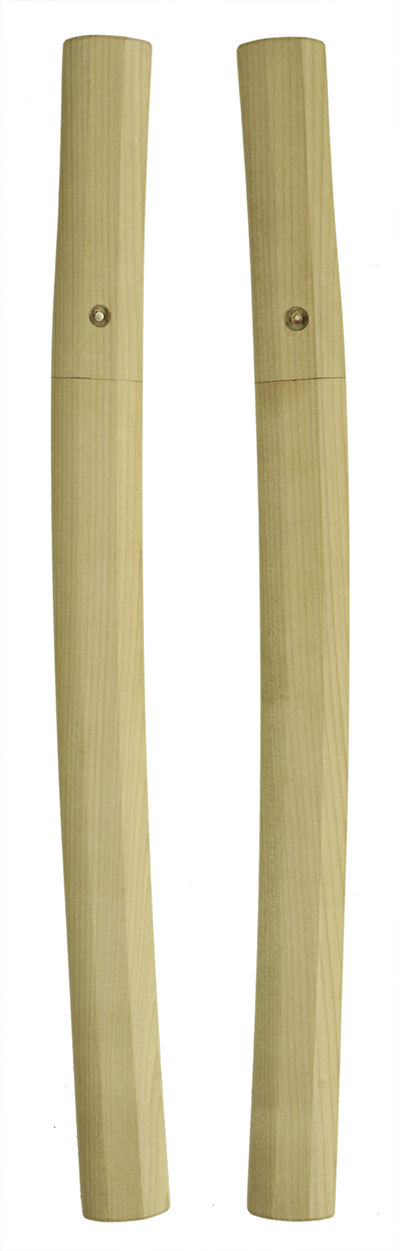
説明
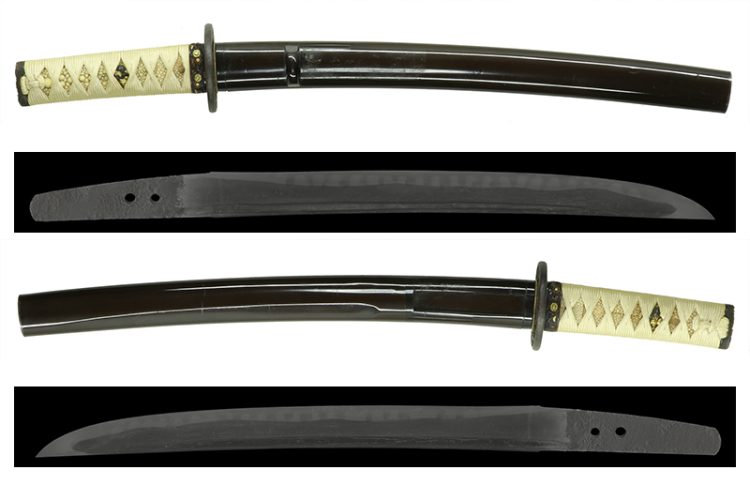
「刀姿 sword figure」
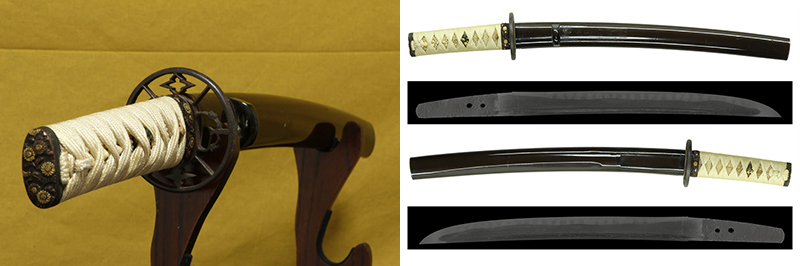
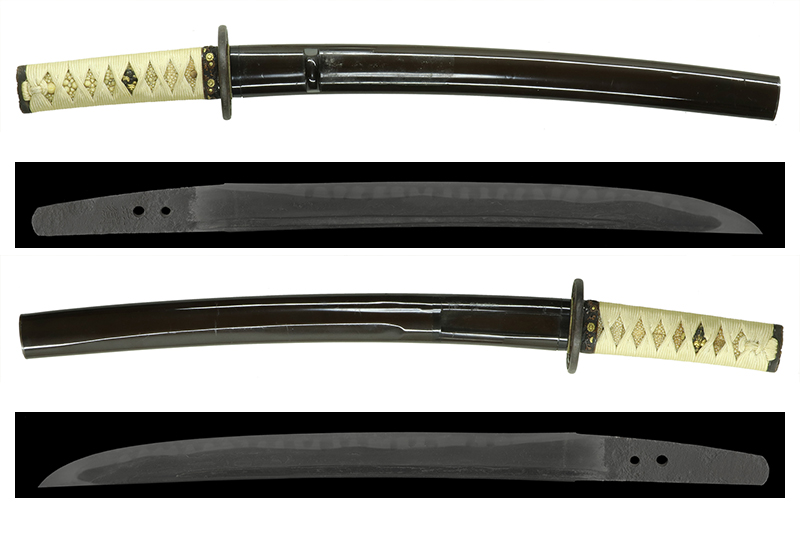
平造り庵棟、身幅尋常重やや薄く、反り僅かふくら鋭く枯れる。茎は生で筋違い鑢がかかる、茎尻は栗尻。
Hira-zukuri with an iori-mune; the mihaba is of standard width and the kasane is slightly thin, with a slight curvature and a sharply pointed, austere fukura.
The nakago is ubu with sujikai yasurime, and the nakago-jiri is kurijiri.
「地鉄 jigane」
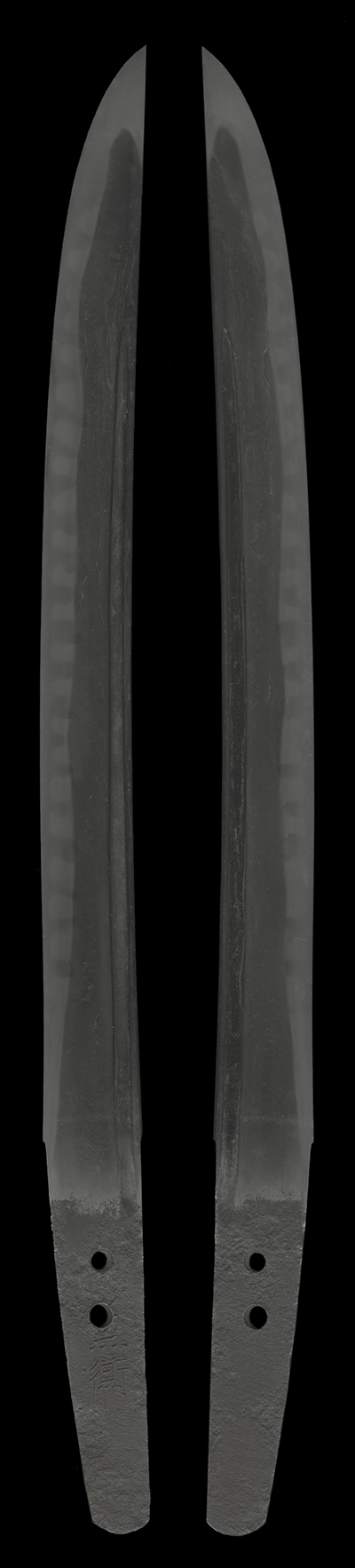
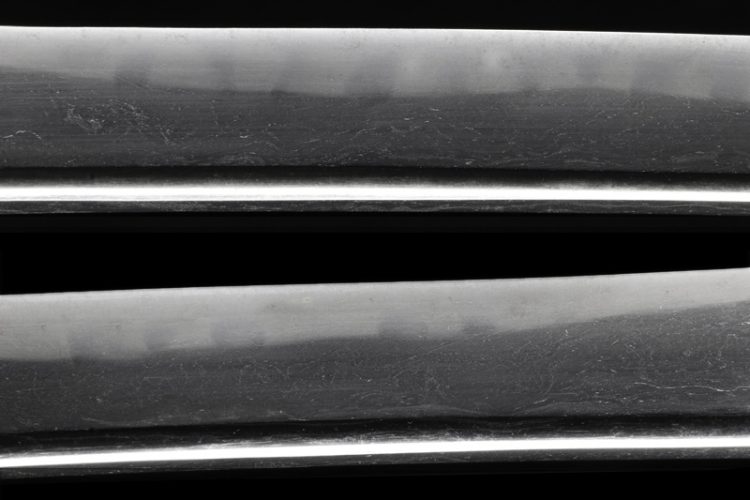
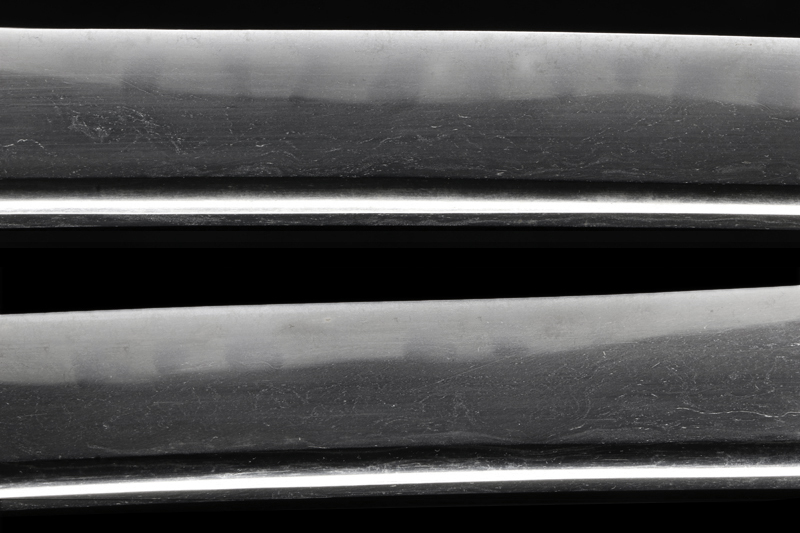
地鉄は板目肌が流れ柾がかり、白気映りが立つ。
The jigane shows flowing itame-hada tending toward masame, with prominent shirake-utsuri.
「刃紋 hamon」
刃紋は互の目、細い拳型の刃紋を焼く、釯子は乱れ込み小丸に返る。
The hamon is gunome, forming a fine kobushi-gata pattern; the bōshi is midare-komi and turns back in a small maru.
「特徴 detailed」
兼衡は、美濃国関の刀工です。刀工名鑑には宝徳・文明・天正期の兼衡が掲載されていますが、この短刀は天正期の兼衡の作と考えられます。
刀身は一尺近く、浅い反りが付き、鋭く枯れたふくらを持つ、天正期の短刀に典型的な姿を示しています。非常に鋭く、力強い印象の短刀です。
このような短刀は鎧に差す腰刀として用いられ、合戦時の鎧組討において、敵を刺殺したり首を描き切るために使用されたと言われています。
地鉄は典型的な末関の鍛えで、顕著な白気映りが見られるのも特徴です。刃紋は拳形丁子のような刃紋で、兼房一門との何らかの関係があった可能性を示唆しています。
コンディションは古研ぎのため、わずかな薄錆がありますが、地刃は良く見えます。研ぎ減りによる小さな傷がありますが、軽微で気になる程度ではありません。
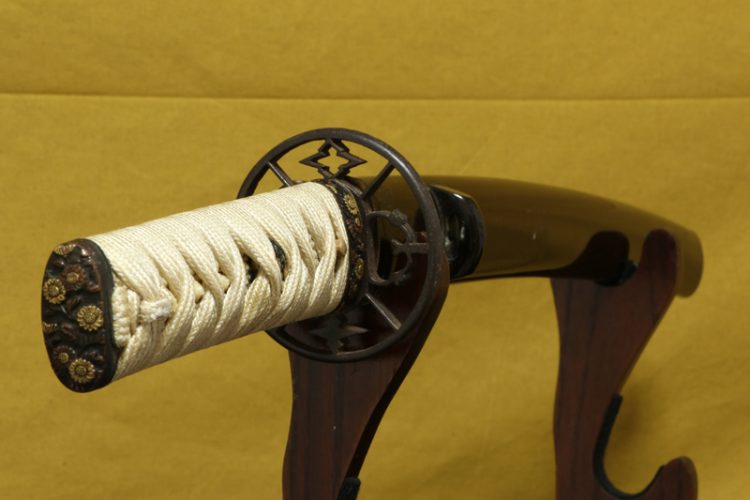
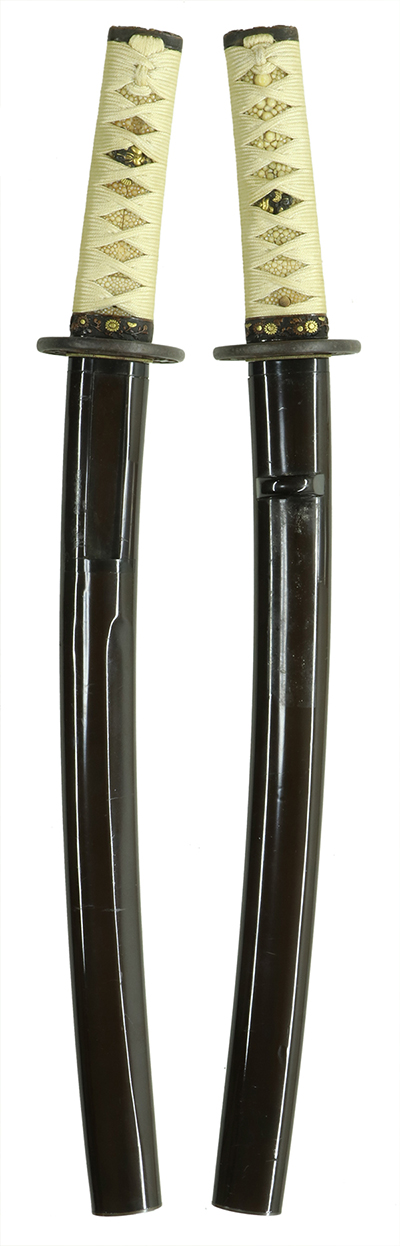
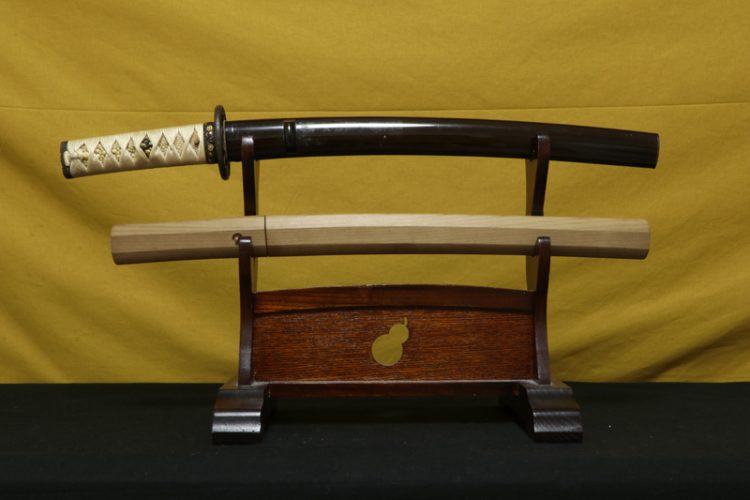
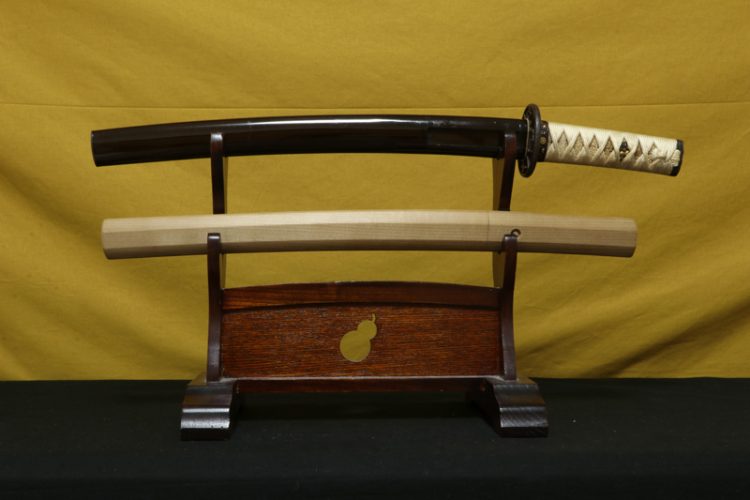
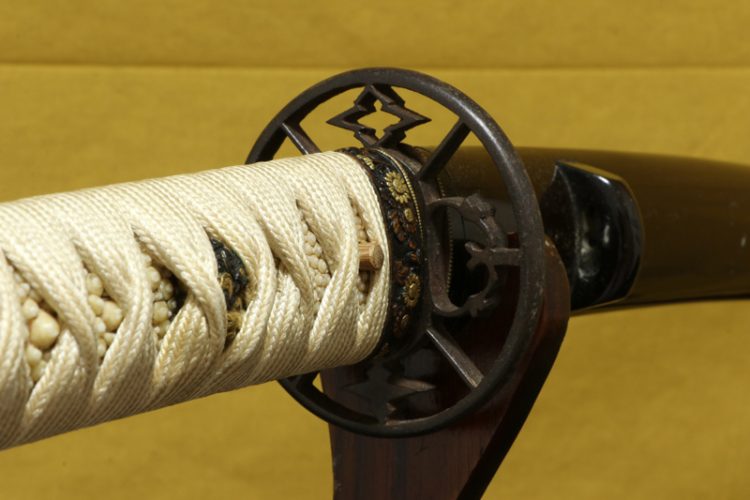
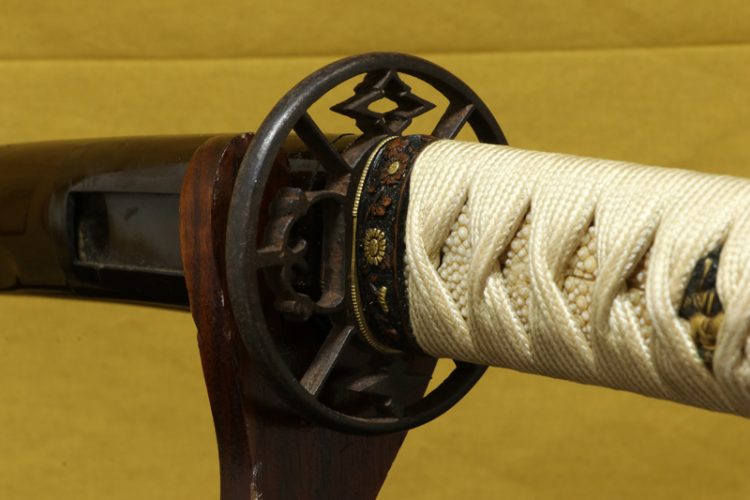
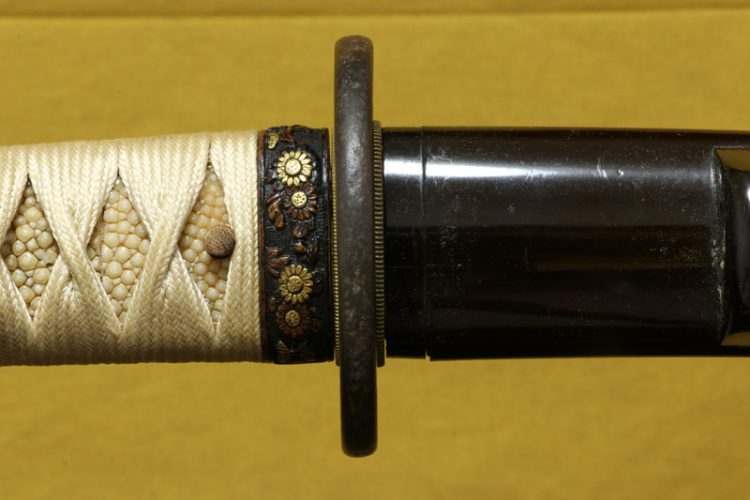
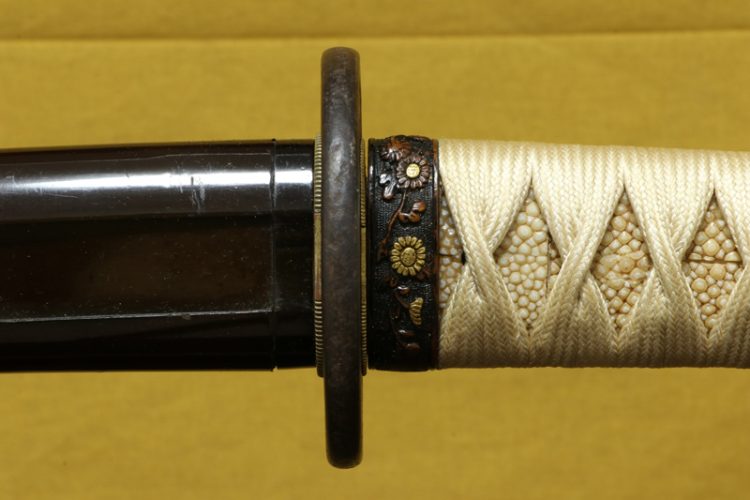
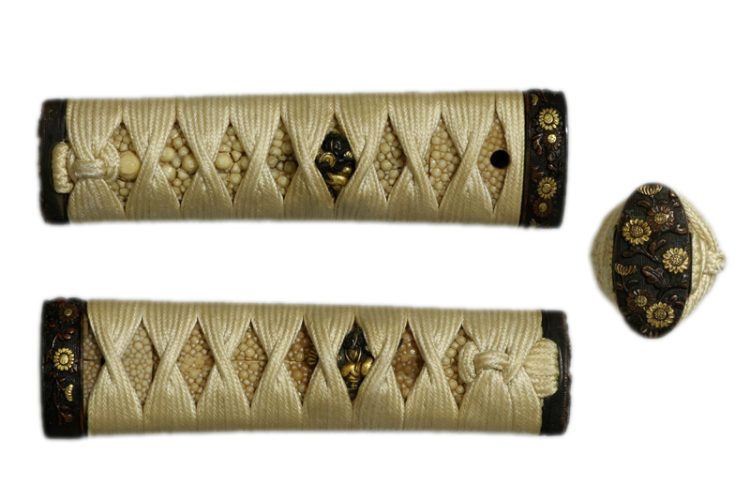
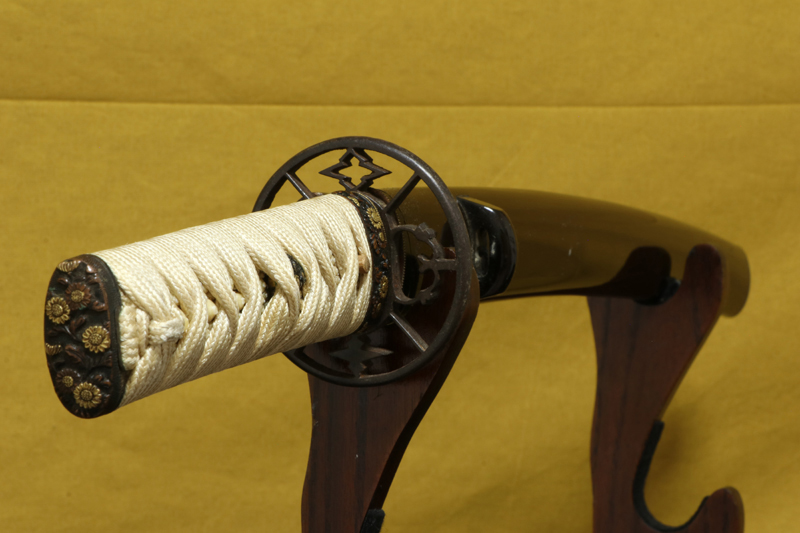
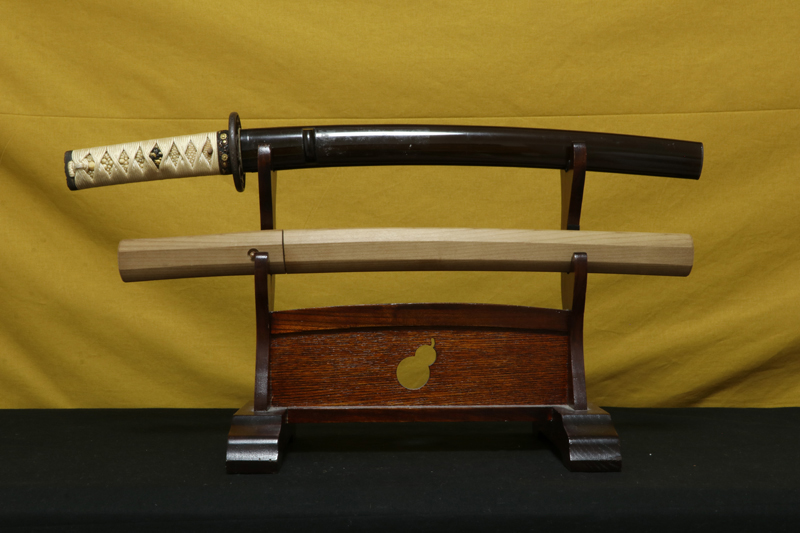
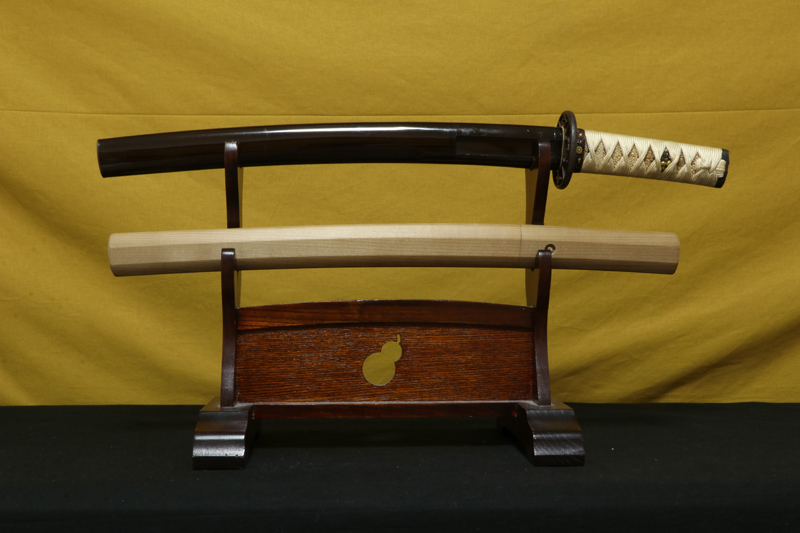
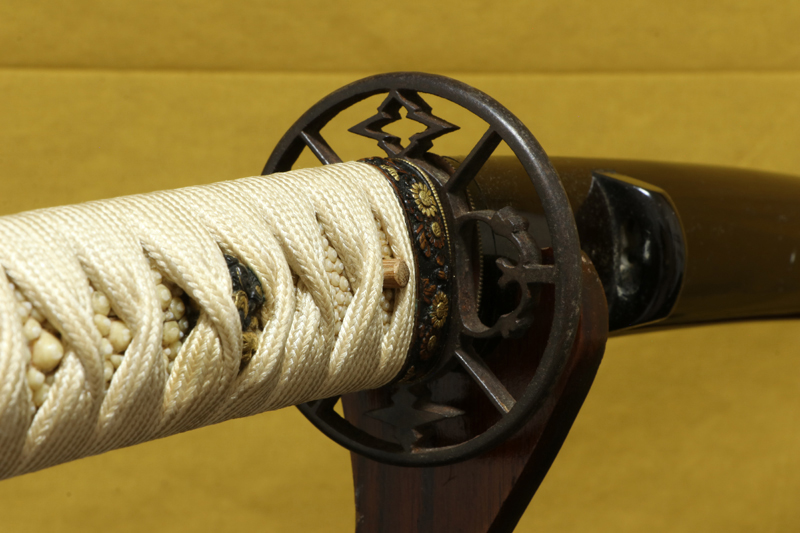
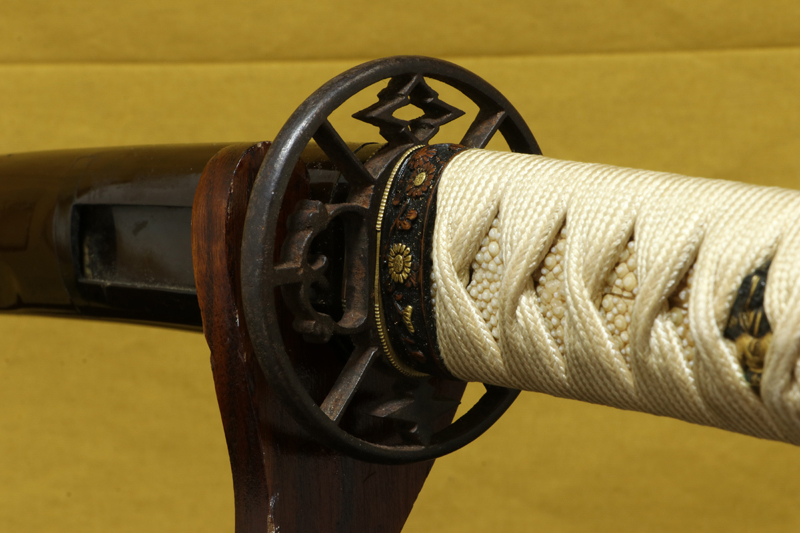
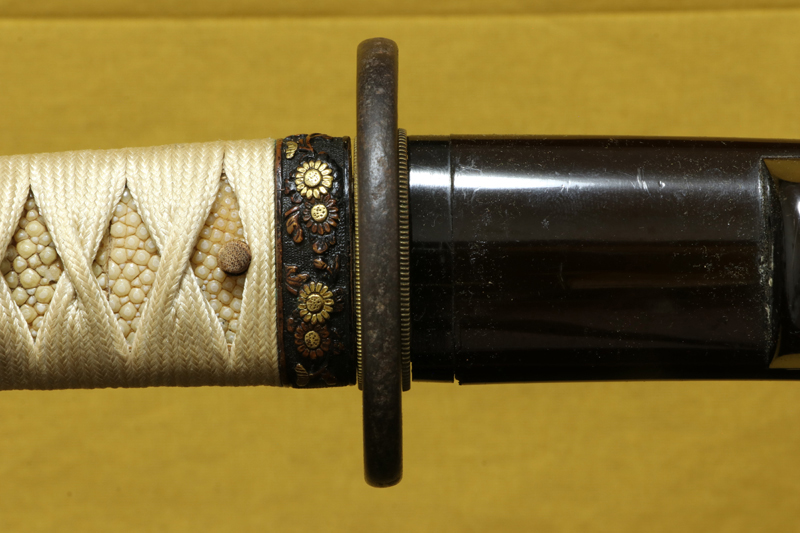
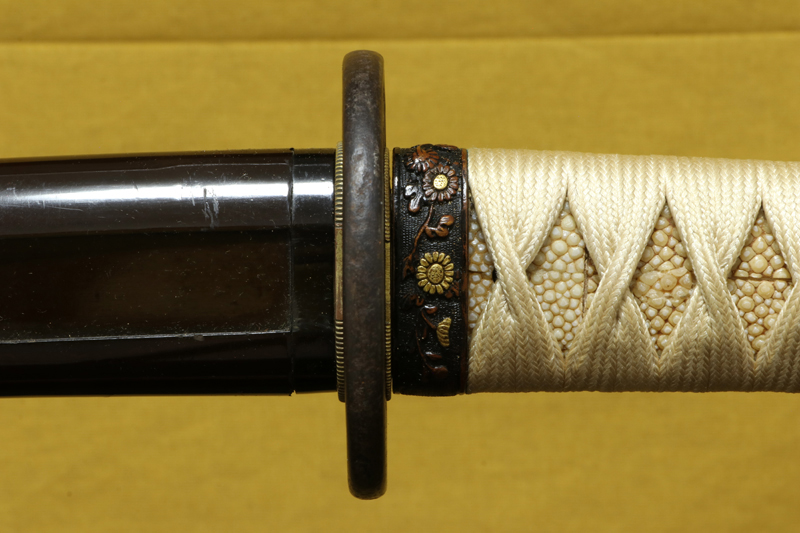
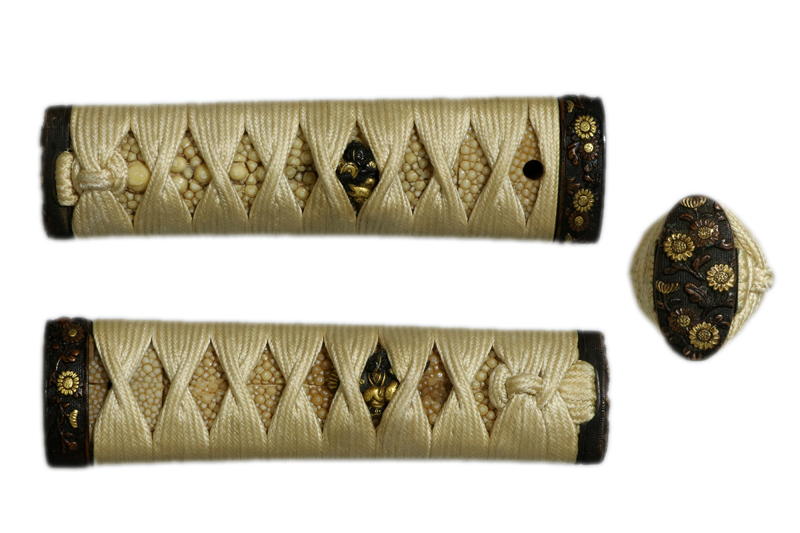
小刀拵(ちいさかたなこしらえ)は、特に柄前が素晴らしく、上質な部品が用いられており、全体のコンディションも良好です。
小柄は欠けていますが、ご購入後にご自身で探されることも楽しみの一つとなるでしょう。
Kanehira was a swordsmith of Seki in Mino Province. The swordsmith directories list Kanehira working in the Hotoku, Bunmei, and Tensho periods, and this tanto is considered to be the work of Kanetsune from the Tenshō era.
The blade is nearly one shaku in length, with a shallow curvature and a sharply pointed, austere fukura—features characteristic of Tensho-period tantō. It has a very sharp and powerful appearance.
Such tantō were worn as waist daggers inserted into armor. They are said to have been used in armored close combat to stab enemies and to sever heads on the battlefield.
The jigane is a typical Sue-Seki forging, and the presence of prominent shirake-utsuri is another notable feature. The hamon resembles a kobushi-gata chōji pattern, suggesting a possible connection with the Kanefusa school.
The condition shows slight light rust due to old polish, but the jihada and hamon are clearly visible. There are small flaws caused by polishing wear, but they are minor and not bothersome.
The Chisakatana-koshirae, especially the tsuka, is excellent and fitted with high-quality components, and its overall condition is good.
Although the kozuka is missing, searching for one after purchase can also be part of the enjoyment.
「拵 Koshirae」
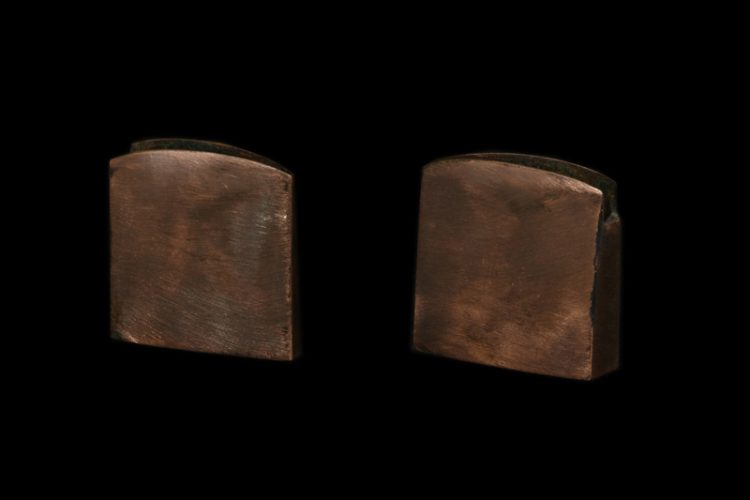
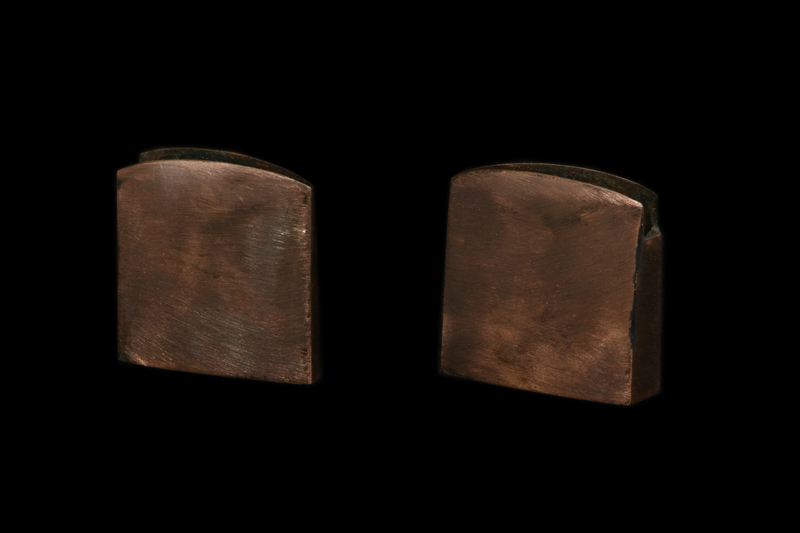
ハバキ(habaki) :素銅地一重の縦鑢。
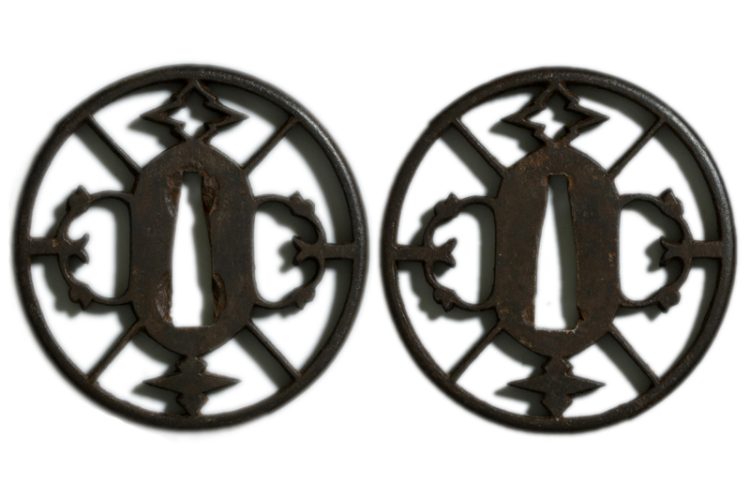
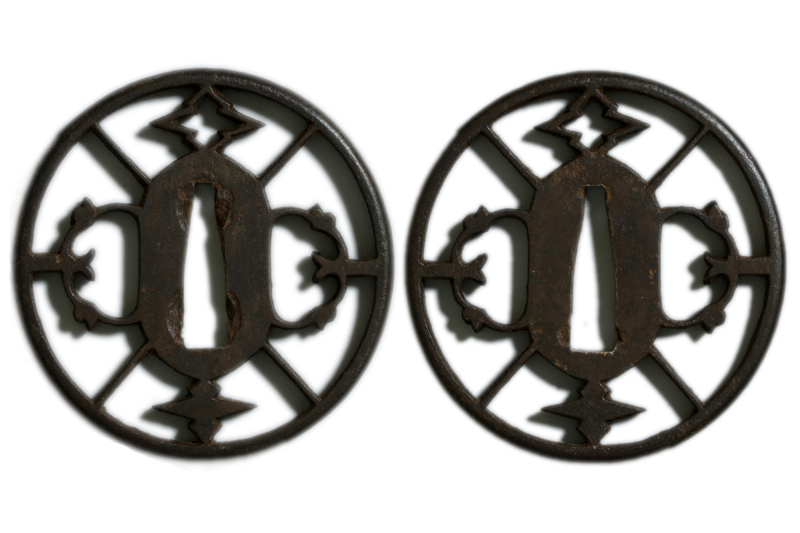
鍔(tsuba) :鉄地丸型三階菱家紋透かし。
縁頭(futikasira):赤銅魚子地菊の図。
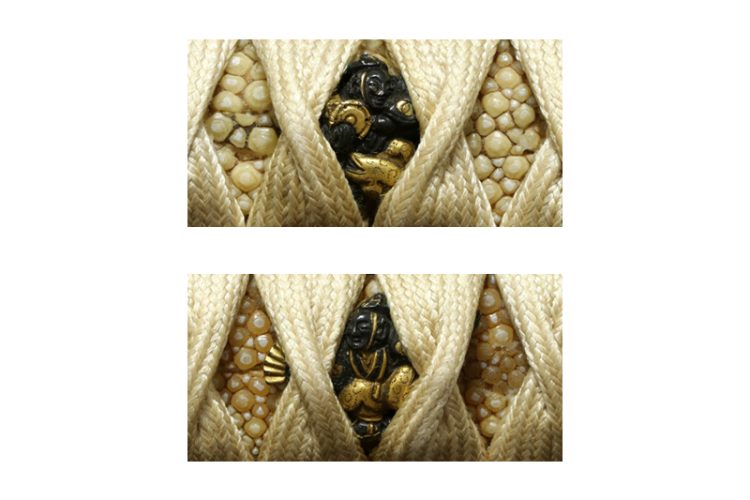
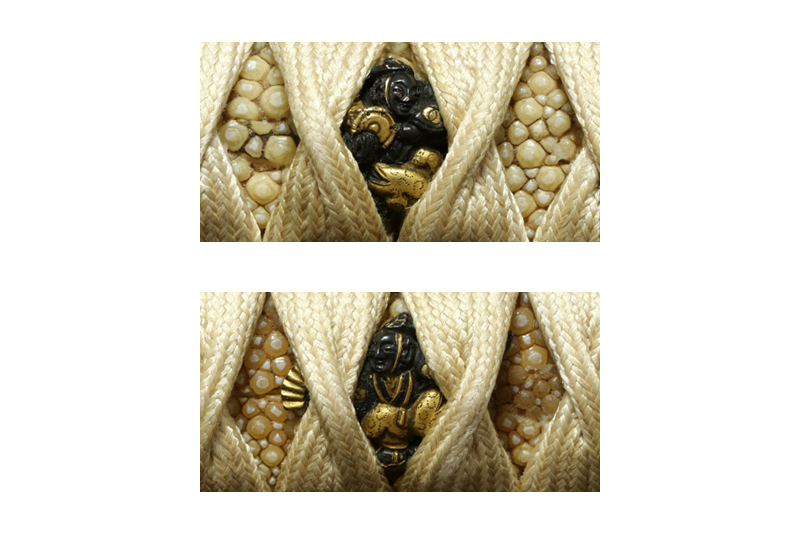
目貫(menuki) :赤銅地三番叟の図。
柄(tsuka) :鮫は親粒が付き巻鮫、柄巻は正絹卯の花色の諸撮み巻。
鞘(saya) :焦茶呂塗り。
「刀剣の状態 condition of blade」
研:古研のため少し薄錆が有りますが、地刃良く見えます。
傷:研ぎ減りによる小さな傷がありますが、軽微で気になる程度ではありません。鍛え割れは有りません。