説明
「刀姿 sword figure」
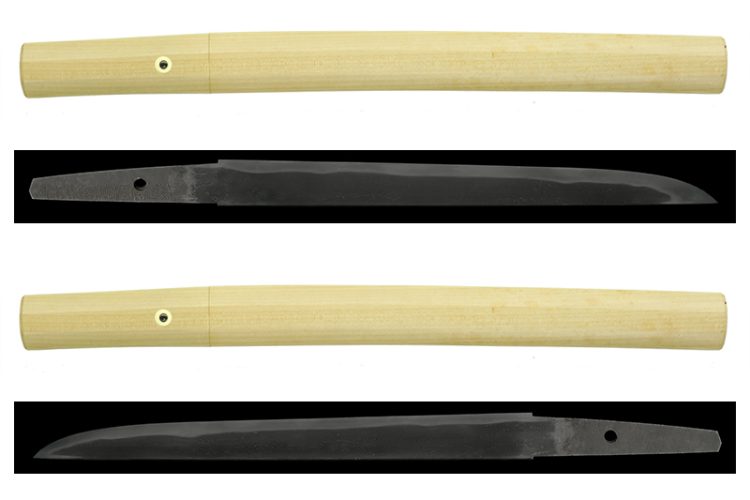
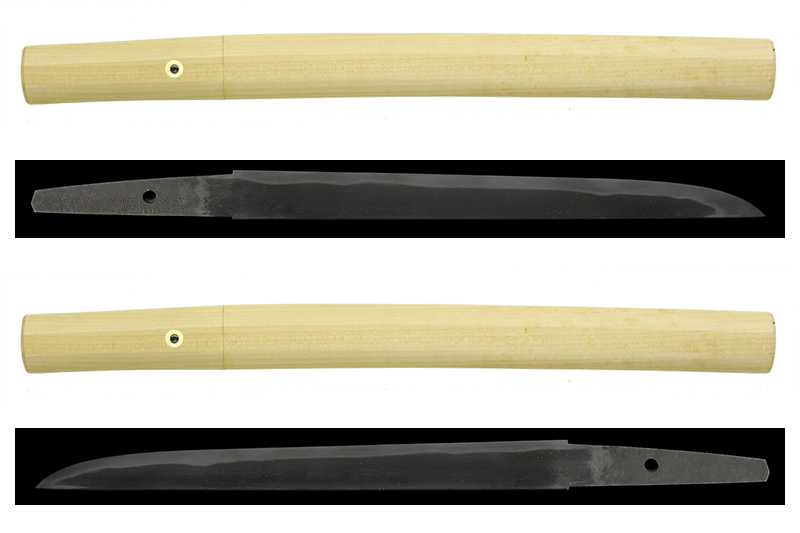
平造り庵棟、身幅重尋常、無反りふくら枯れる。茎は生で筋違い鑢がかか、茎尻は浅い剣形。
「地鉄 jigane」
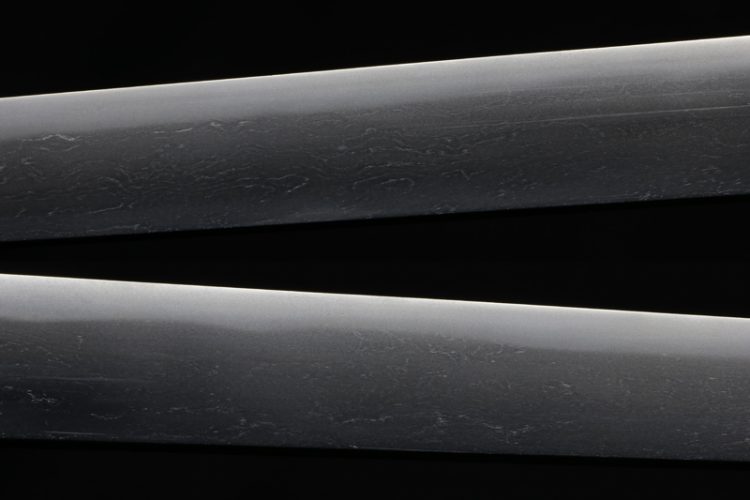
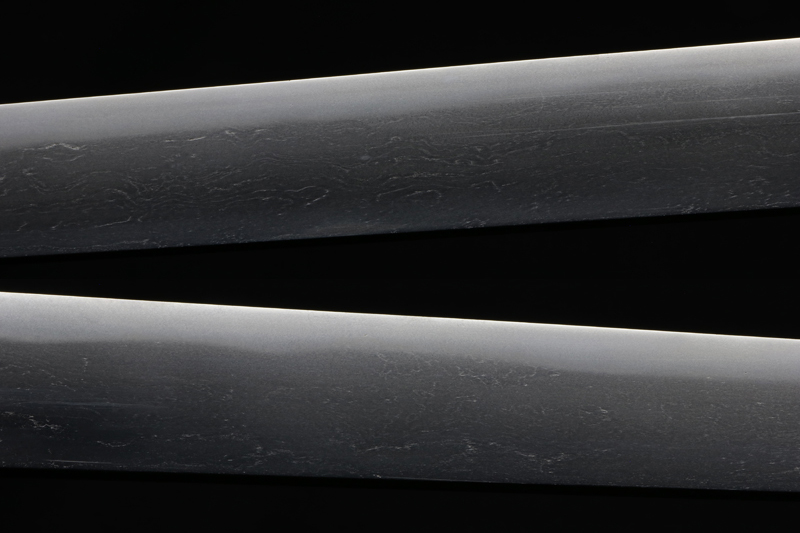
地鉄は板目肌が肌立、地沸付く。
「刃紋 hamon」
刃紋は沸出来の湾れ刃、刃縁沸付き砂流しかかり、刃中は金筋が働く。釯子は紋成りに入り小丸に返る。
「特徴 detailed」
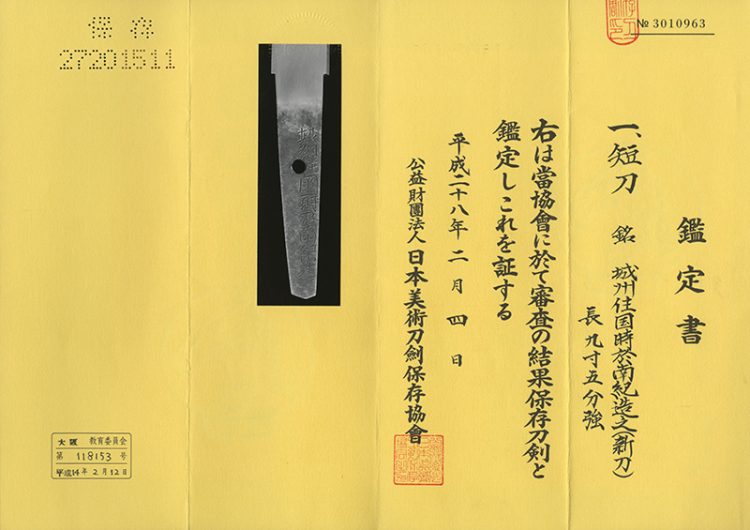
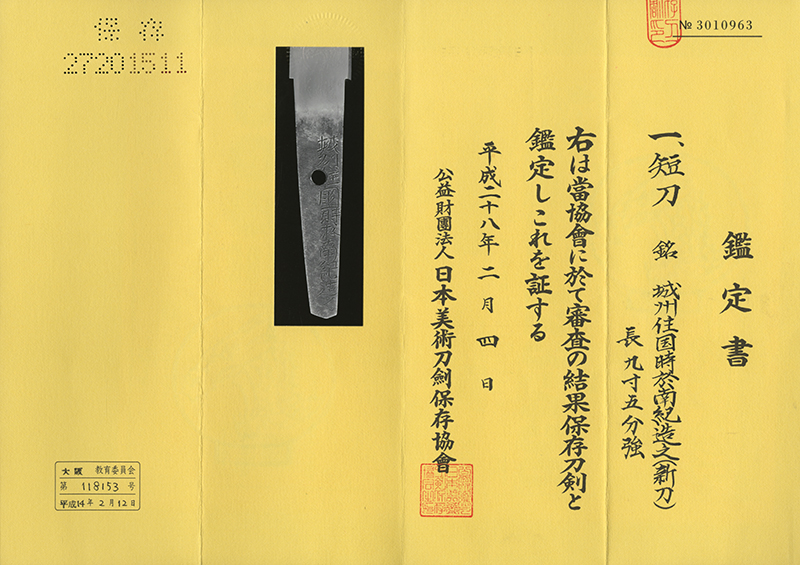
城州住國時は、江戸時代前期・寛永頃に山城国で活躍した刀工で、堀川國広の高弟として知られています。國広が日向に在住していた頃から仕え、のちに紀伊国へ移住したと伝えられています。
師の代作に従事することが多かったため、門人としての期間が長いにもかかわらず、國時の現存作は非常に少なく希少です。
本作は、國時が紀州在住時に鍛えた短刀です。ふくらが枯れており、鋭さを感じさせる姿をしています。
地鉄はやや肌立っていますが、刃文は沸出来の美しい湾れ刃を焼いています。
もともと作品数の少ない城州住國時の中でも、紀州打の作はさらに少なく、特に貴重な一振りです。
Joshu-ju Kunitoki was a swordsmith active around the Kan’ei era of the early Edo period in Yamashiro Province. He was a leading disciple of Horikawa Kunihiro and is said to have served him from Kunihiro’s period of residence in Hyūga, later relocating to Kii Province. Because he was often engaged in producing works on behalf of his master, surviving signed works by Kunitoki are extremely rare, despite his long period as a disciple. This piece is a tantō forged by Kunitoki during his Kishu period. The fukura has thinned, giving the blade a keen, sharp impression. The jihada shows slight standing grain, while the hamon is a beautiful midare pattern with well-formed nie. Among the already scarce works of Jōshū-jū Kunitoki, pieces forged in Kishu are even rarer, making this an especially valuable example.
「拵 Koshirae」
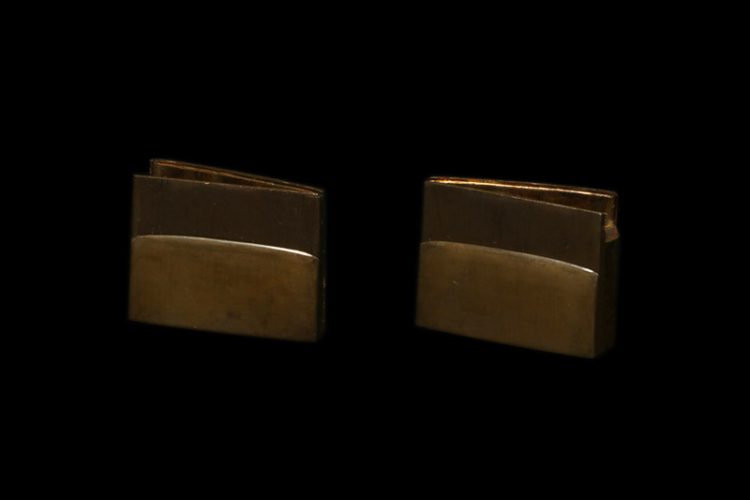
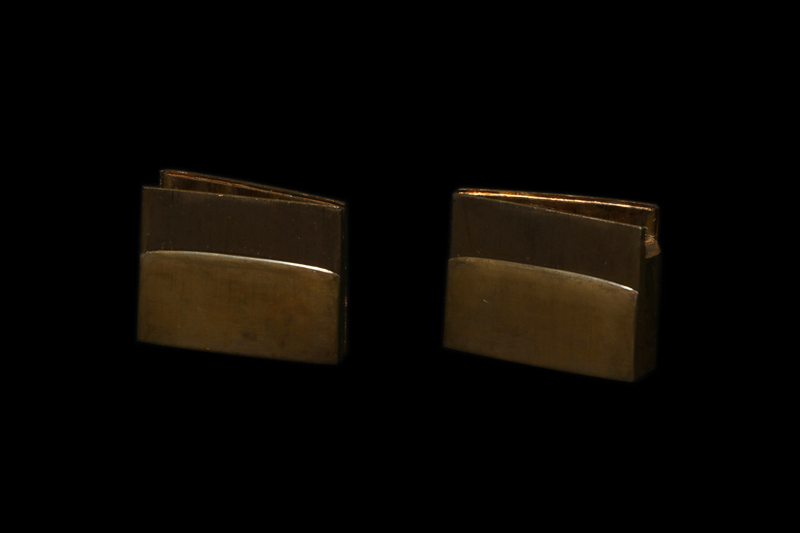
ハバキ(habaki) :素銅地二重の磨き地。
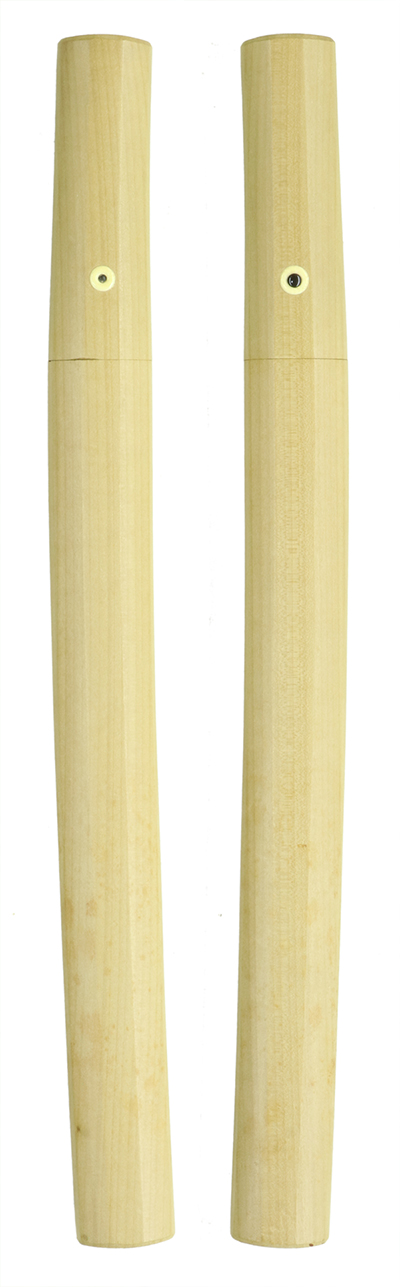
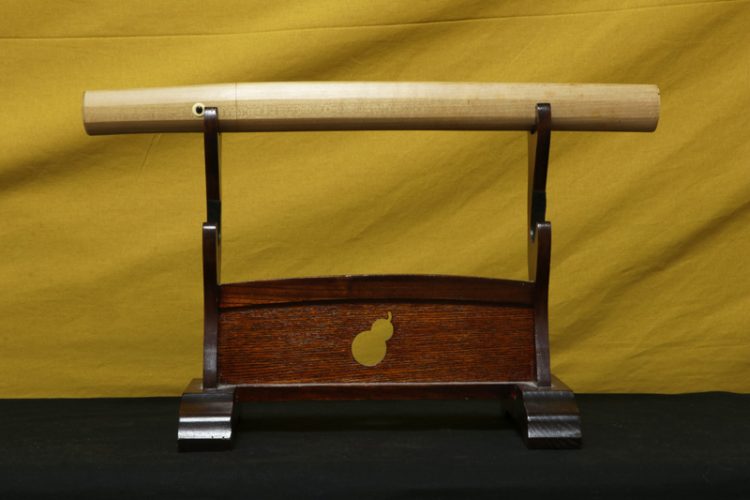
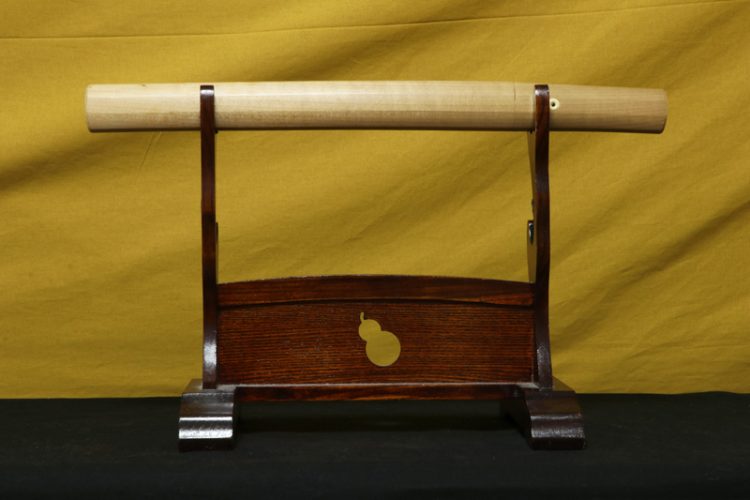
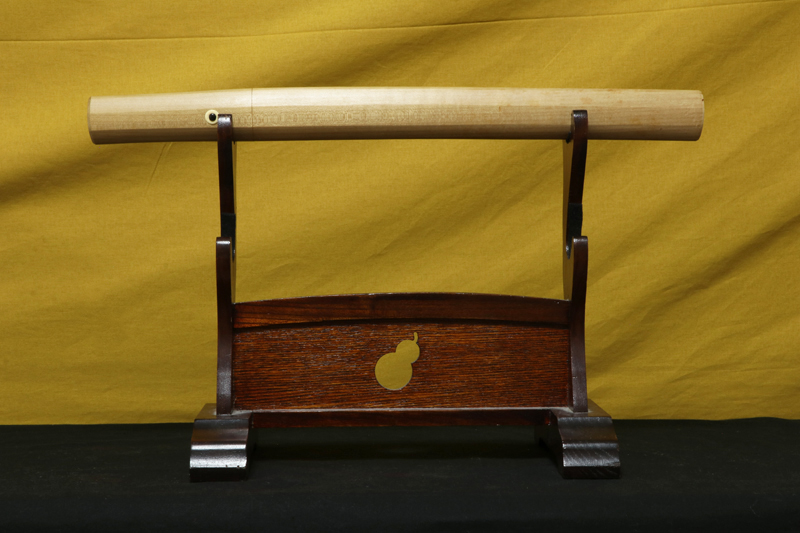
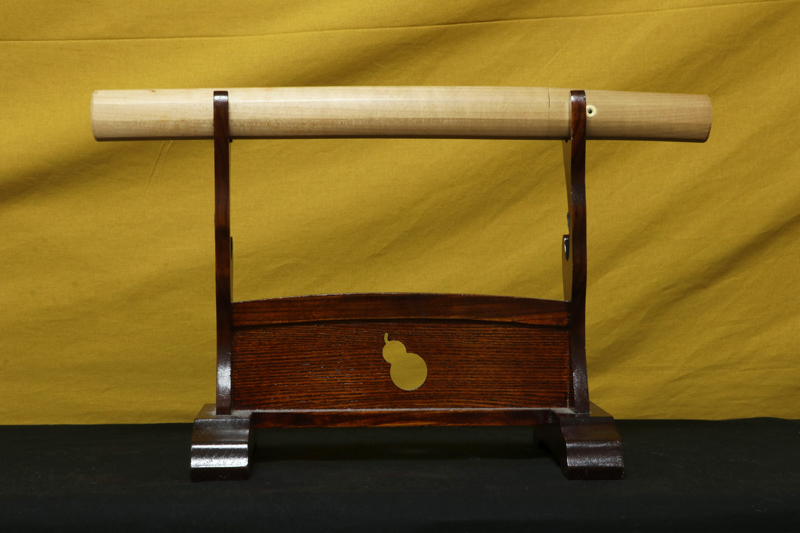
鞘(saya) :白鞘。
「刀剣の状態 condition of blade」
研:概ね良好です。
傷:少し肌立っていますが、欠点に成るような傷は有りません。