
説明
「体配 style」
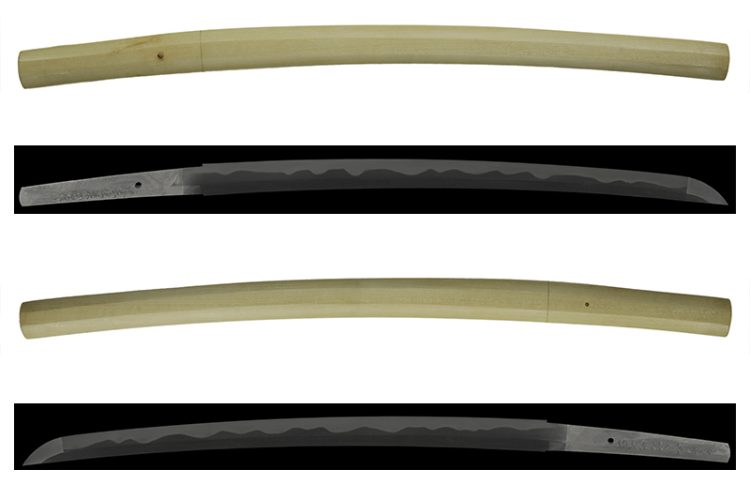
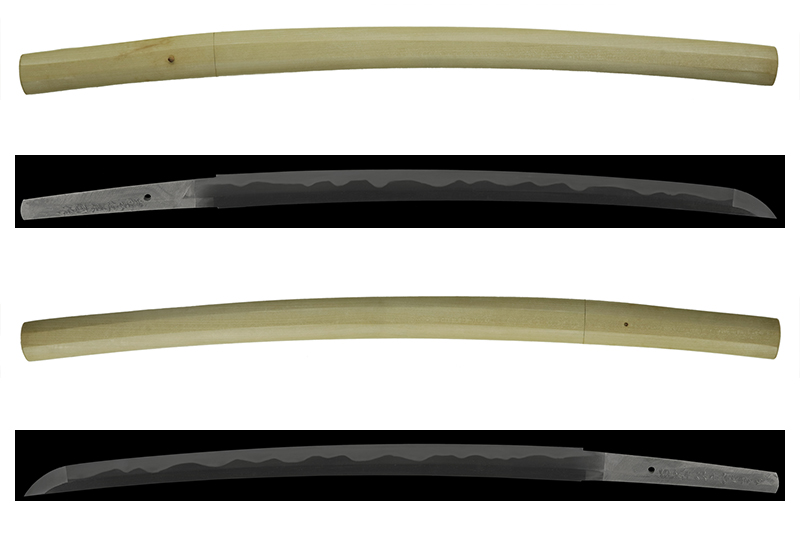
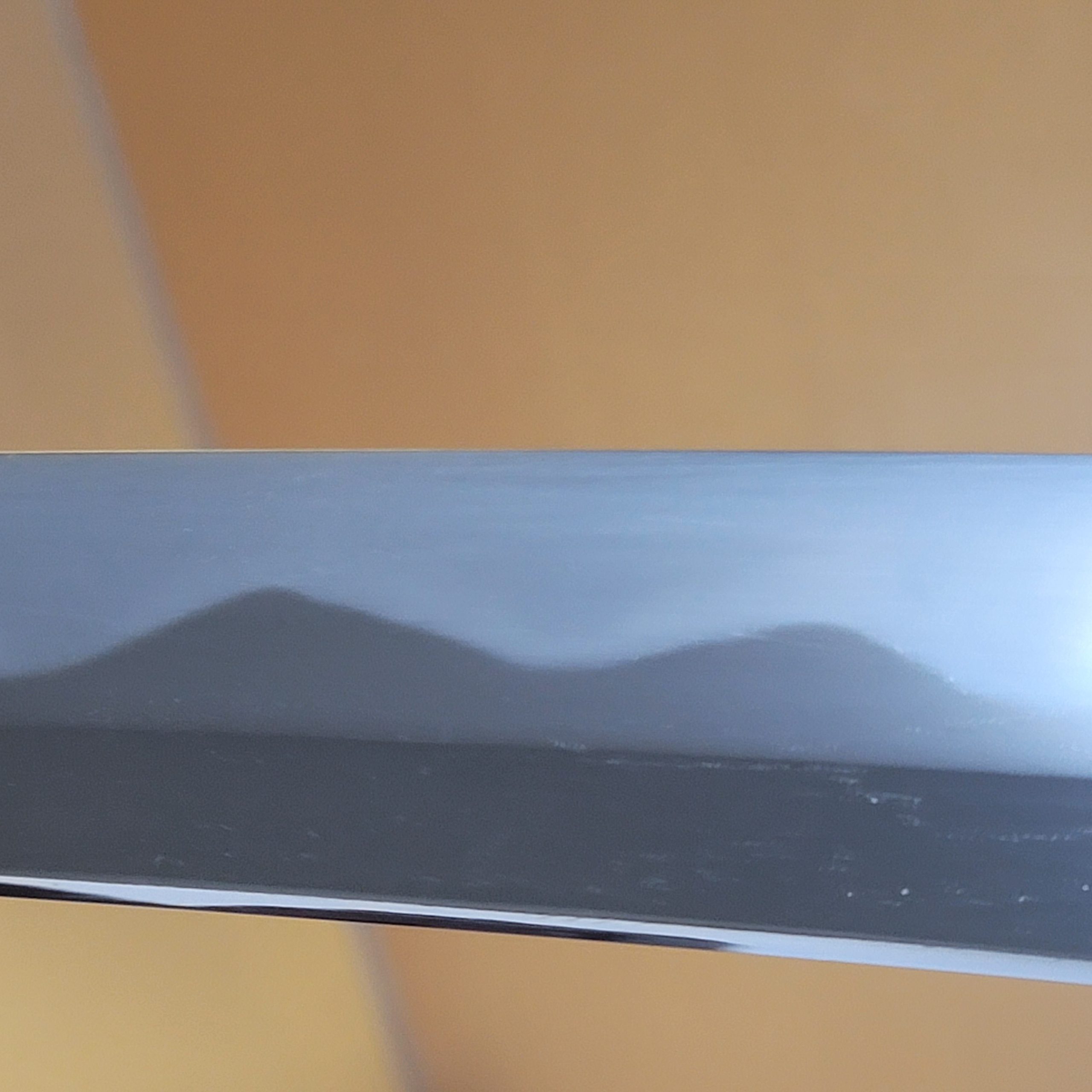
鎬造庵棟、身幅重尋常、鳥居反り中鋒、茎は化粧鑢がかかり、茎尻は栗尻。
「地鉄 jigane」
地鉄は小板目肌が良く詰み、地沸厚く付く。
「刃紋 hamon」
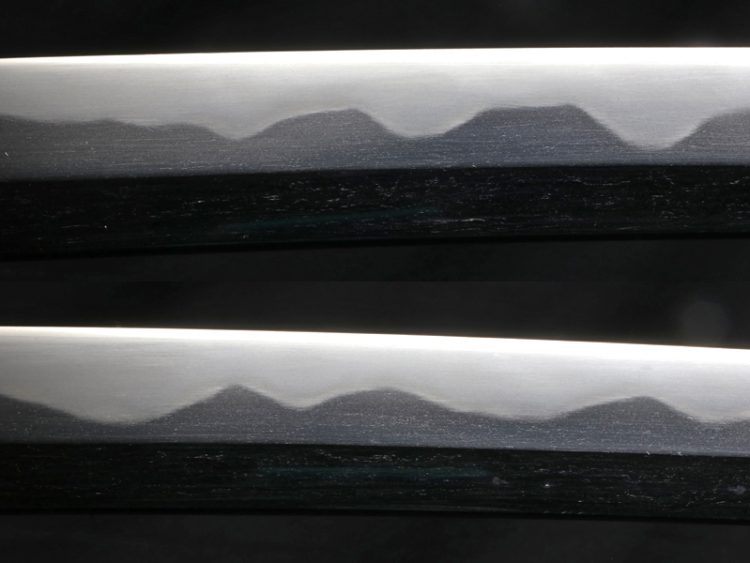
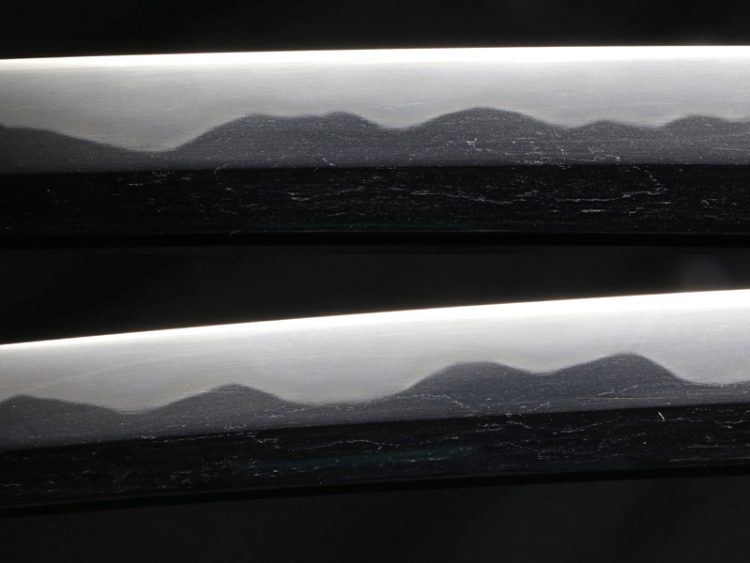
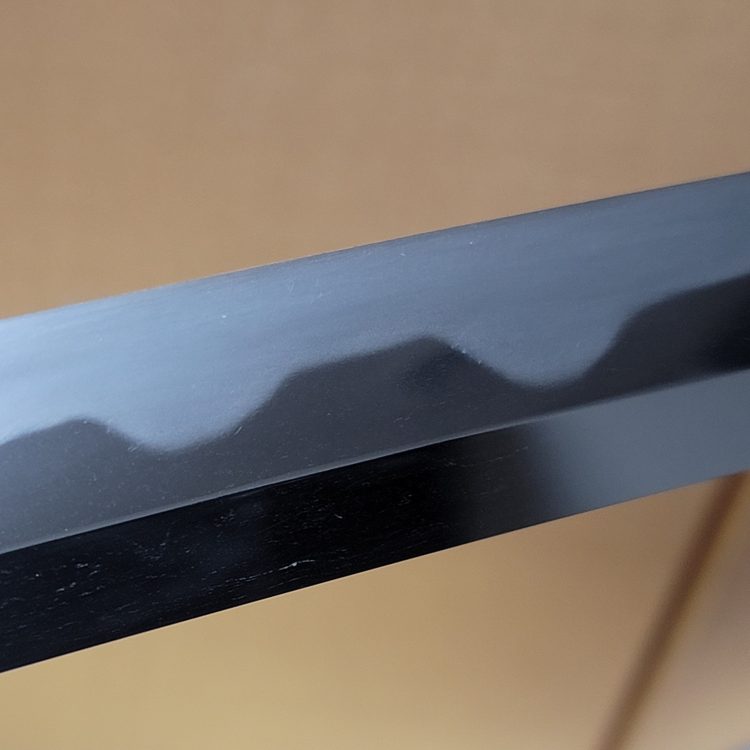
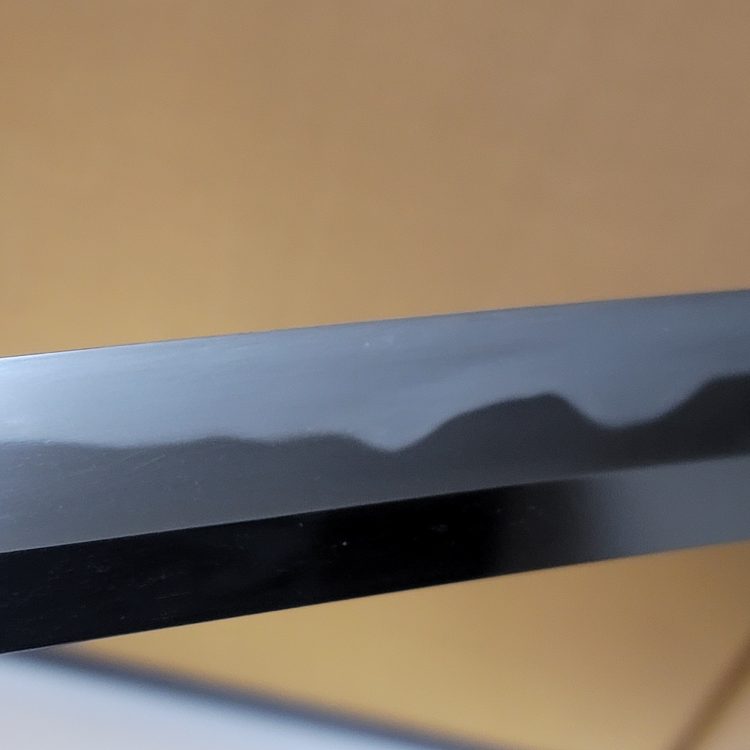
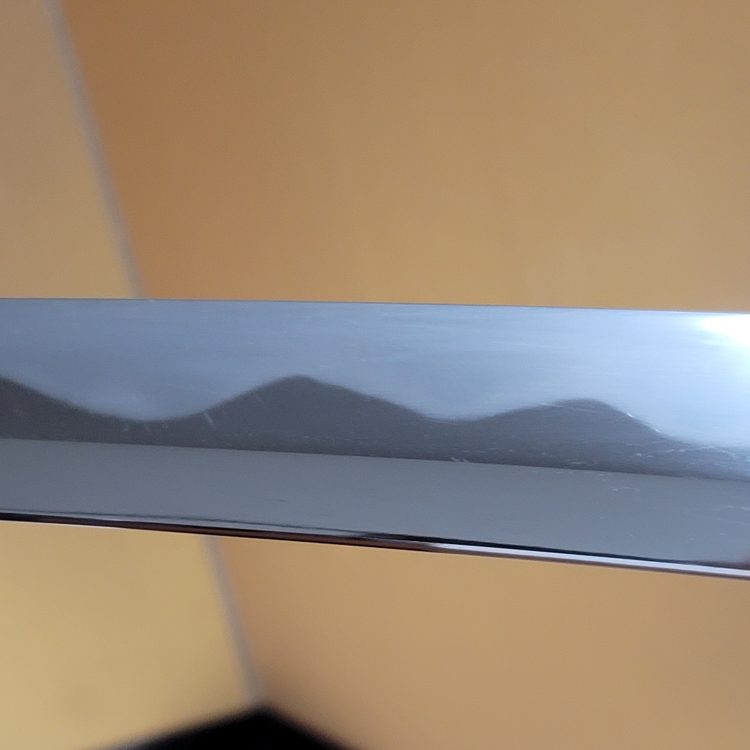
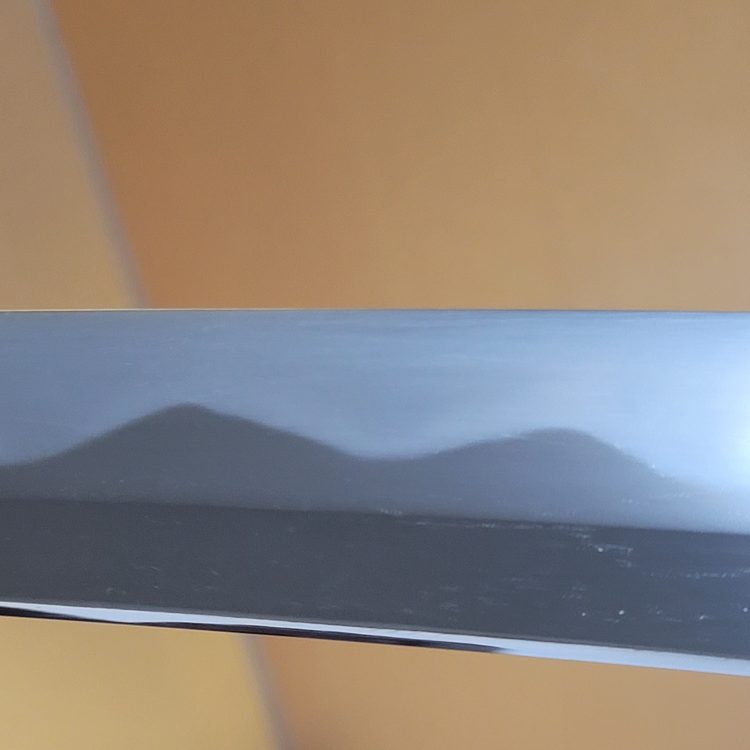
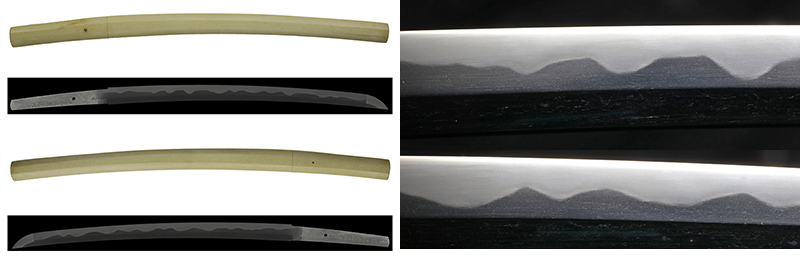
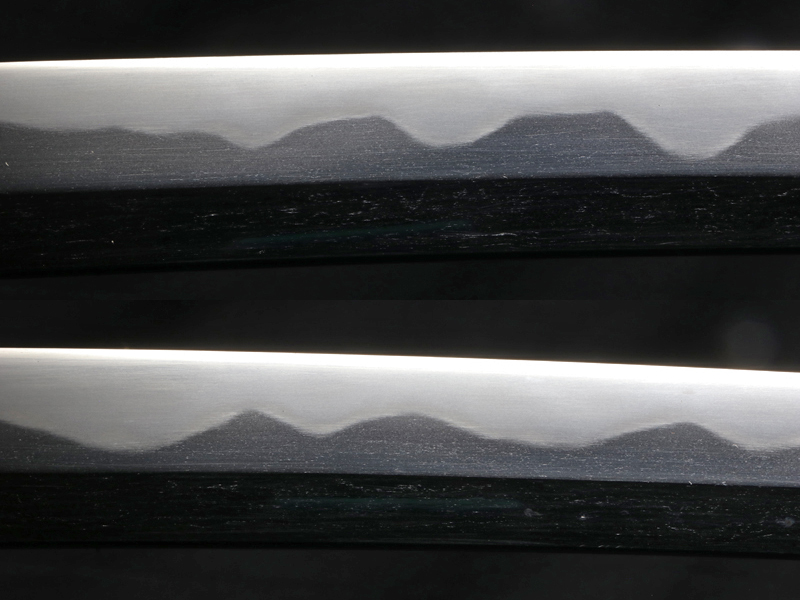
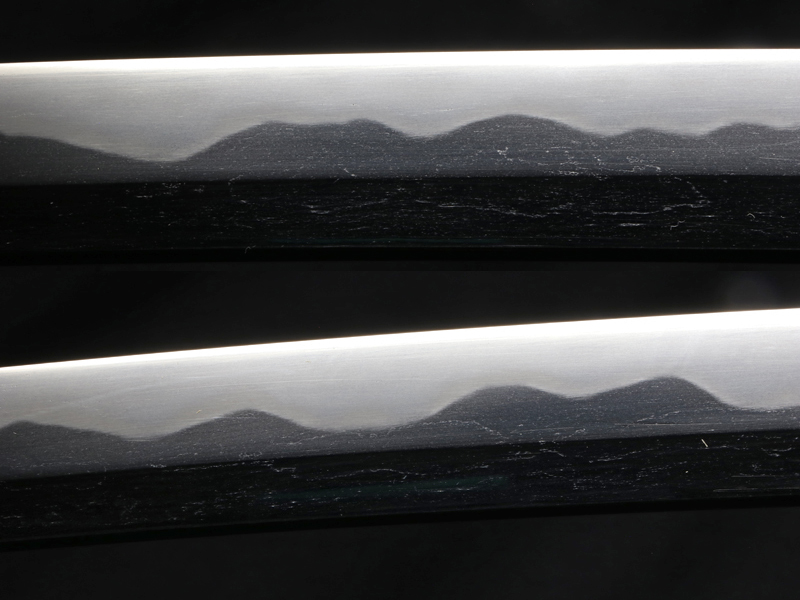
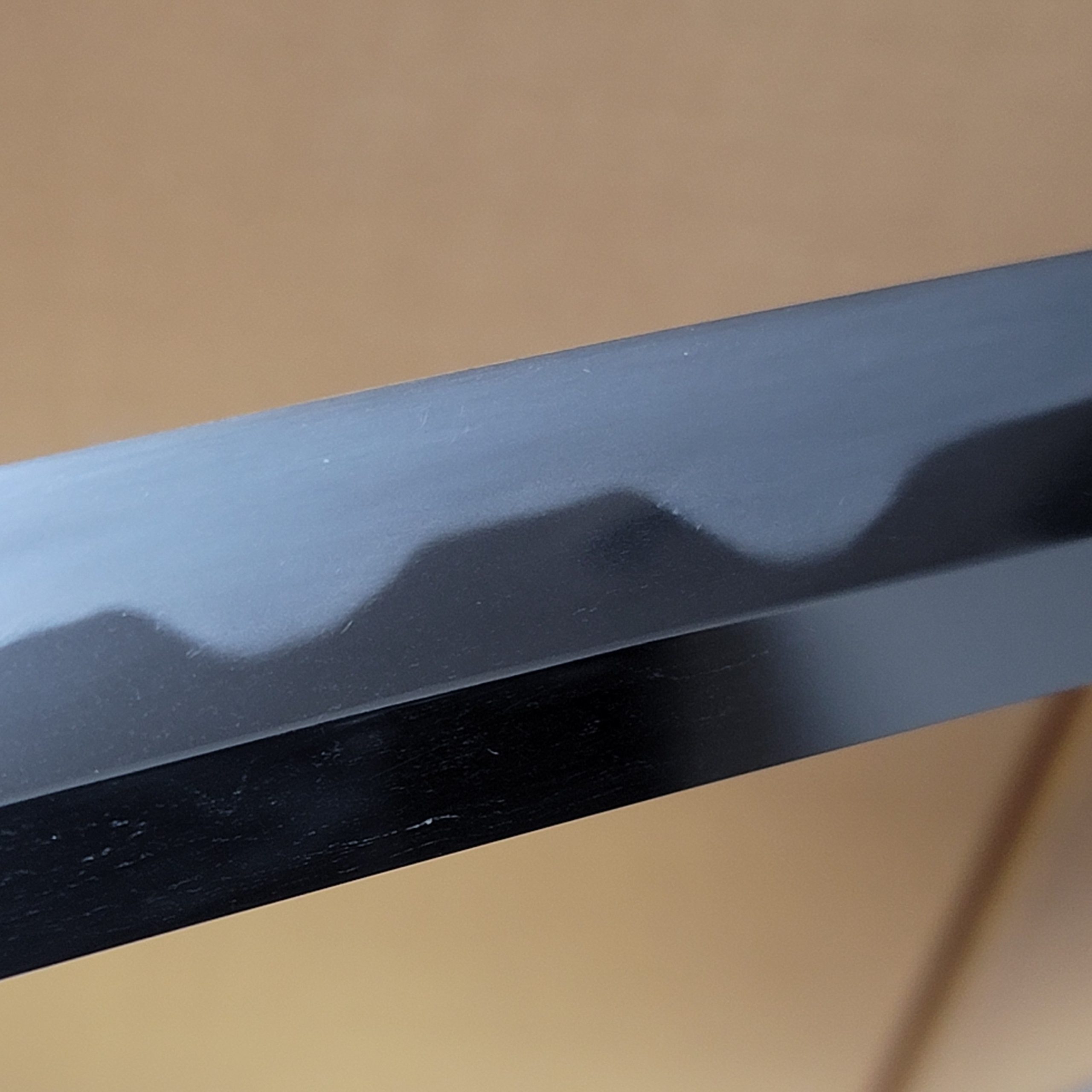
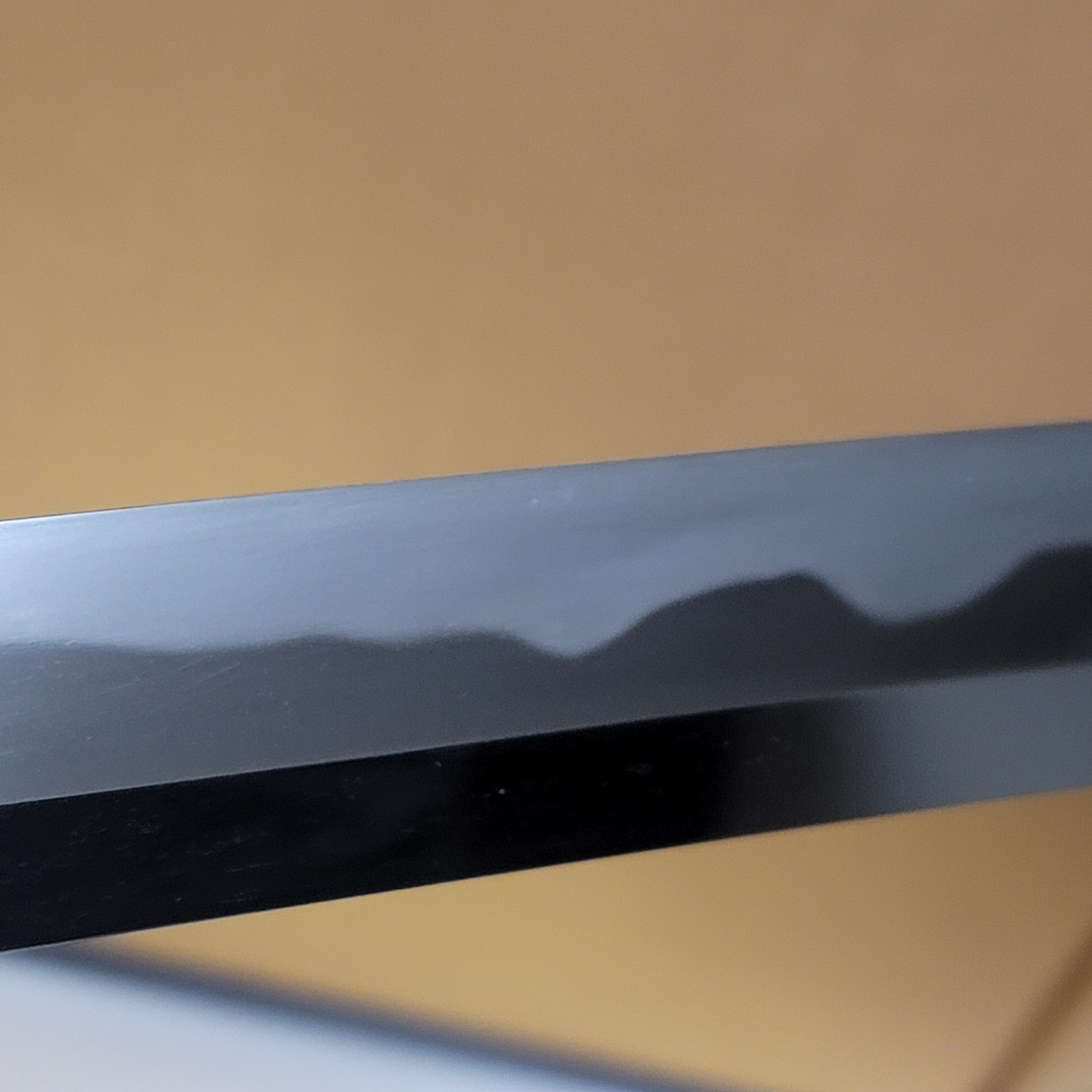
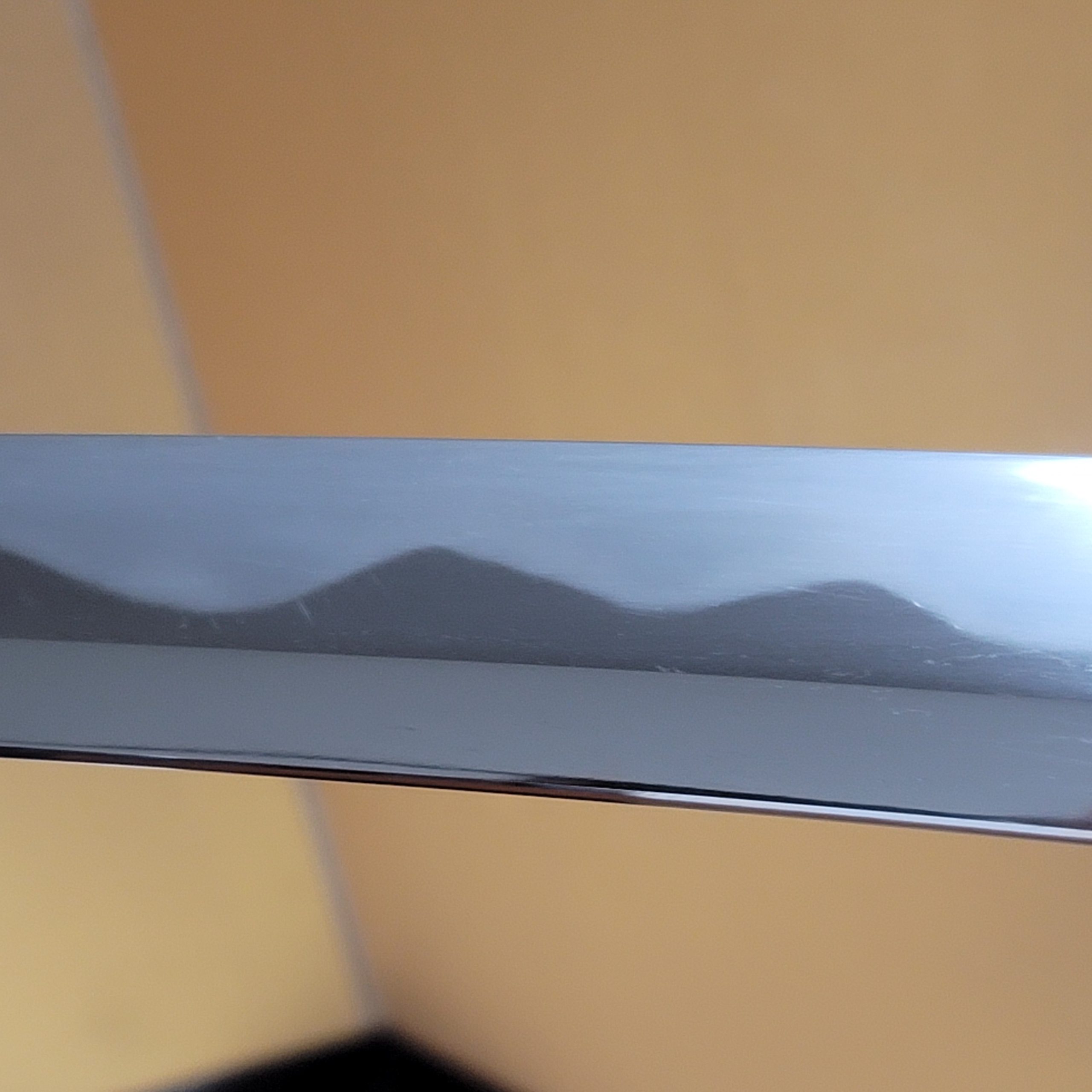
刃紋は濤乱刃(とうらんば)で、刃緑沸が厚く付き砂流しかかり、刃中は金筋が盛んに入る。釯子は乱れ込み掃き掛け小丸に返る。
「特徴 detailed」
美濃國兼國、本名尾川光敏、昭和28年生まれ、岐阜県山県市在住、師は父の尾川兼圀。
兼國刀匠は会社員をしていましたが、昭和61年33歳のときに父に弟子入りします。二代目を継承したのちは「兼國」を名乗りました。初代・二代目ともに「かねくに」と読みますが、初代兼圀とは違い、二代目は「國」という漢字を用いている。
その後、「新作刀展」にて、毎年最高賞の文化庁長官賞、日本美術刀剣保存会会長賞、薫山賞の数々の特賞を受賞し、平成21年に無鑑査認定を受けた。
兼國刀匠の作品の特徴は、打ち寄せる大きな波を思わせる相州伝の濤乱刃と呼ばれる刃文で、これは先代も得意とした刃紋です。その技法を受け継ぎ発展させ、数々の刀剣を作刀し、平成31年には「平成の名刀・名工展」において名工選を受賞した。
作刀活動以外にも、平成23年には全日本刀匠会理事兼東海地方支部の支部長を務め、日本刀の文化保持と今後の発展に尽力しています。
そして、令和5年3月、岐阜県重要無形文化財に認定されました。
本作、良く鍛えた地鉄に得意の濤乱刃を焼いた逸品です。
また兼國刀匠の脇差は、大変珍しく貴重です。是非あなたのコレクションに加えて下さい。
Kanekuni of Mino Province, real name Ogawa Mitsutoshi, was born in 1953 and resides in Yamagata City, Gifu Prefecture. He studied under his father, the swordsmith Ogawa Kanekuni (first generation).
Kanekuni originally worked as a company employee, but at the age of 33 in 1986 (Shōwa 61), he became an apprentice to his father. After succeeding to the second generation, he adopted the name “Kanekuni.” While both the first and second generations are read “Kanekuni,” unlike the first-generation Kanekuni (兼圀), the second generation uses the character “國” for kuni.
He later went on to win numerous special top awards at the Annual New Sword Exhibition, including the Agency for Cultural Affairs Director-General’s Award, the Chairman’s Award of the Society for the Preservation of Japanese Art Swords, and multiple Kunzan Prizes. In 2009 (Heisei 21), he was certified as Mukansa (Non-Juried).
The hallmark of Kanekuni’s work is the Sōshū-den style Tōran-ba hamon, characterized by large, surging waves—an area of particular excellence also mastered by his father. He inherited and further refined this technique, producing many outstanding swords, and in 2019 (Heisei 31) he received the Master Craftsman Selection award at the “Great Swords and Master Swordsmiths of the Heisei Era” exhibition.
Beyond his work as a swordsmith, in 2011 (Heisei 23) he served as a Director of the All Japan Swordsmith Association and as Head of its tokai Regional Branch, dedicating himself to the preservation and future development of Japanese sword culture.
In March 2023 (Reiwa 5), he was designated a Gifu Prefectural Important Intangible Cultural Property.
This particular piece is an excellent work, featuring well-forged jigane and his signature Toran-ba hamon.
Wakizashi by Kanekuni are extremely rare and highly valuable—this is a piece well worth adding to your collection.
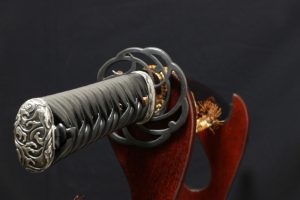
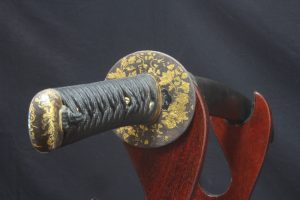
「拵 koshirae」
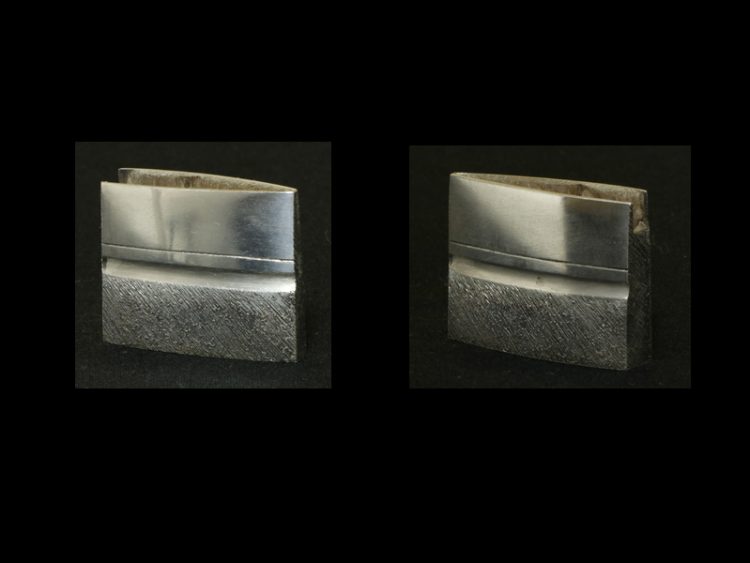
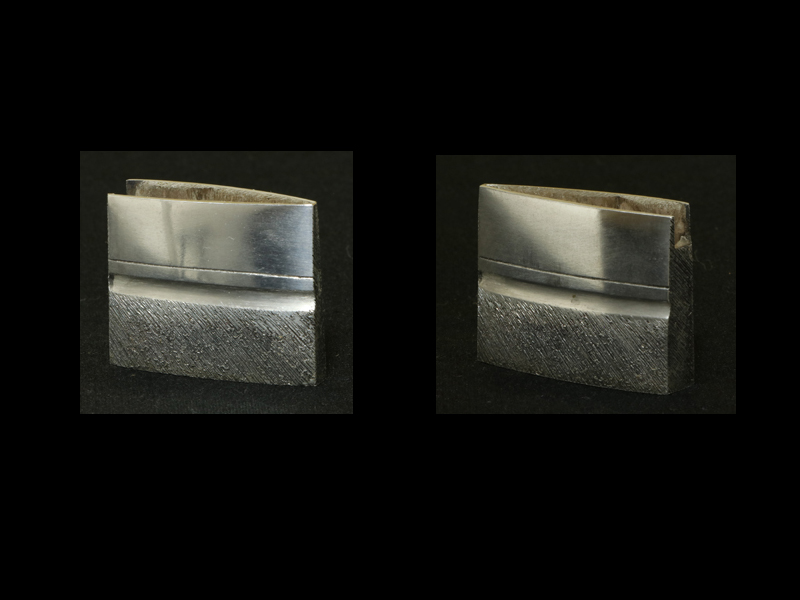
ハバキ(habaki) :銀無垢一重の庄内。
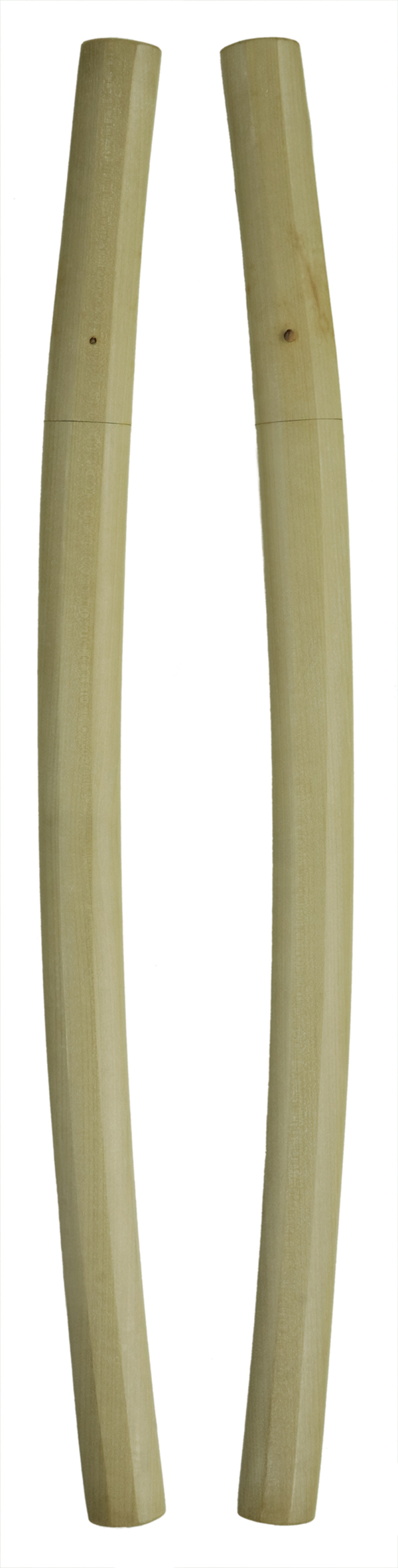
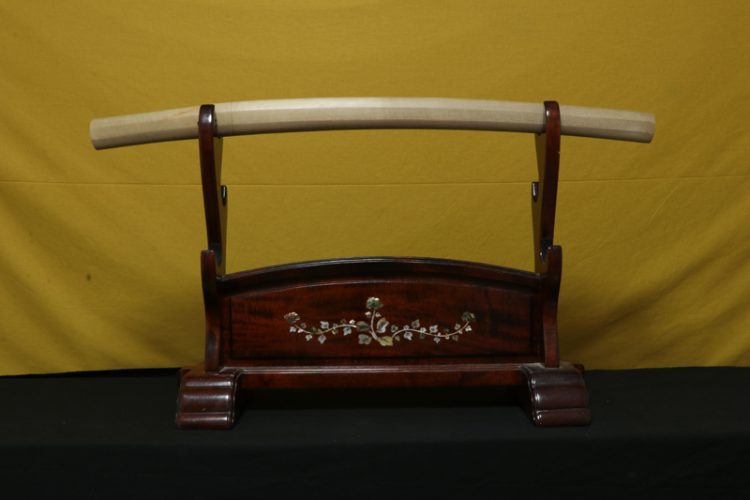
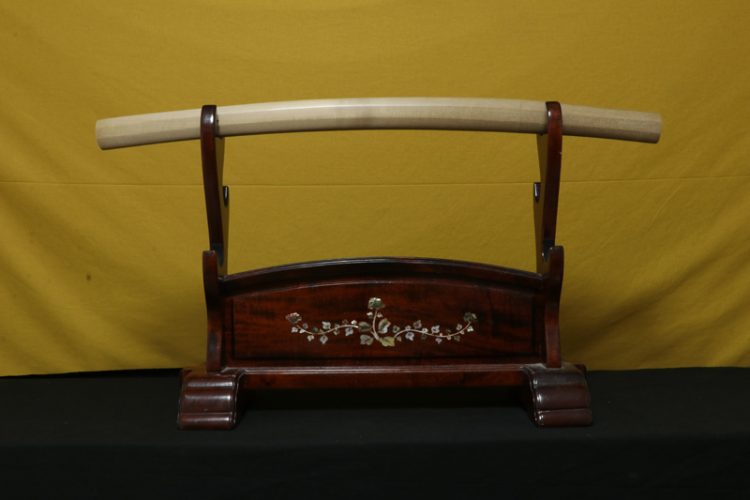
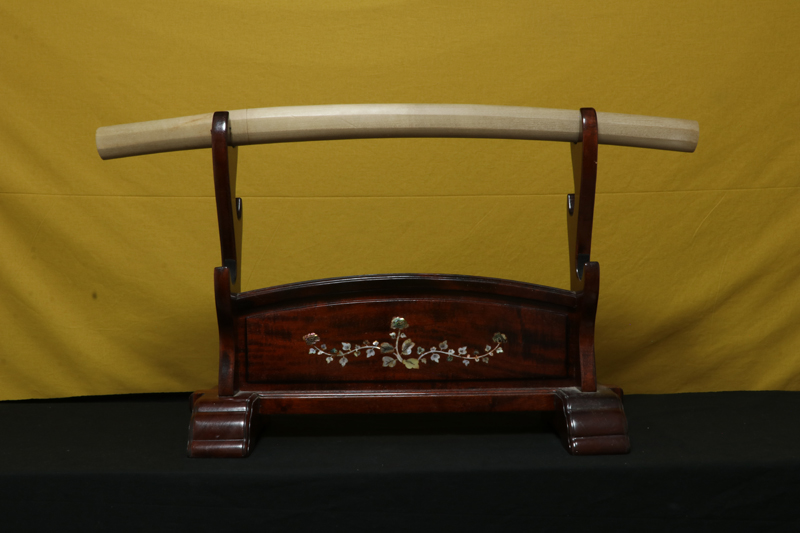
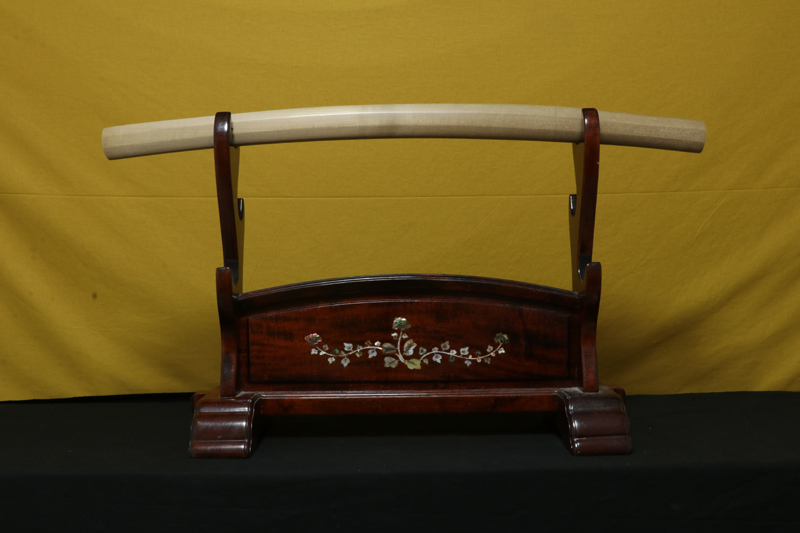
鞘(saya) :白鞘。
「刀身の状態 condition of blade」
研:良好です。
傷:欠点に成るような傷は有りません。