
説明
「刀姿 sword figure」
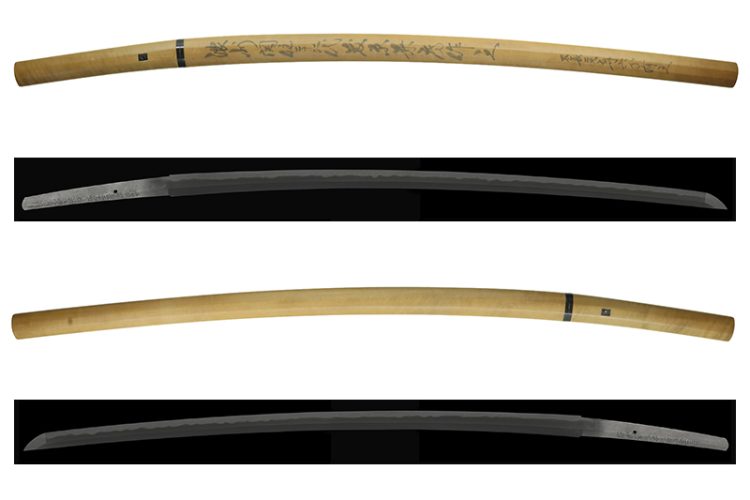
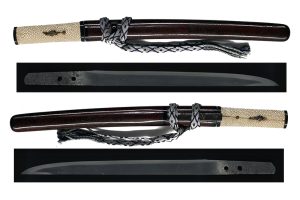
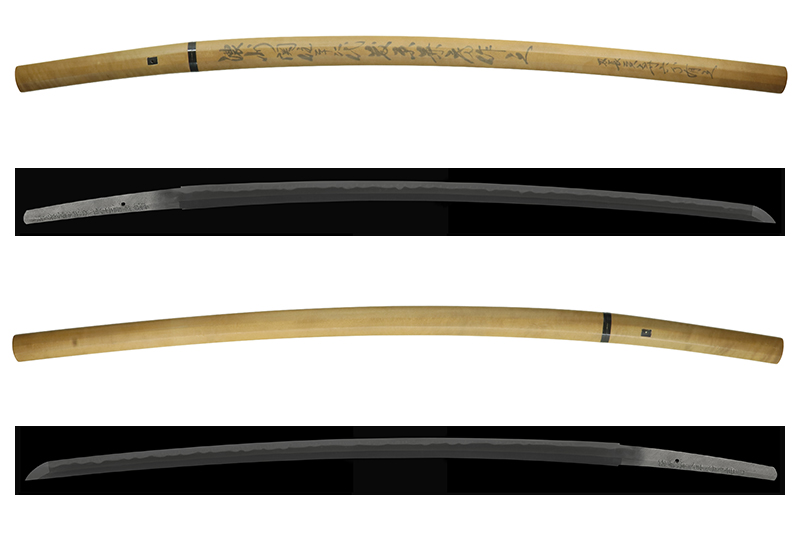
鎬造り庵棟、身幅重尋常、鳥居反り中鋒。茎は生で筋違い鑢がかかる、茎尻は栗尻。
Shinogi-zukuri with an iori-mune (peaked back). The blade has standard width and thickness, with torii-style curvature and a medium-sized kissaki.
The tang (nakago) is ubu (unaltered) with sujikai-yasuri (diagonal file marks), and the tang tip is in kuri-jiri (rounded chestnut) form.
「地鉄 jigane」
地鉄は板目肌が流れ地沸付く。
The jigane (surface steel) shows a flowing itame-hada with ji-nie present.
「刃紋 hamon」
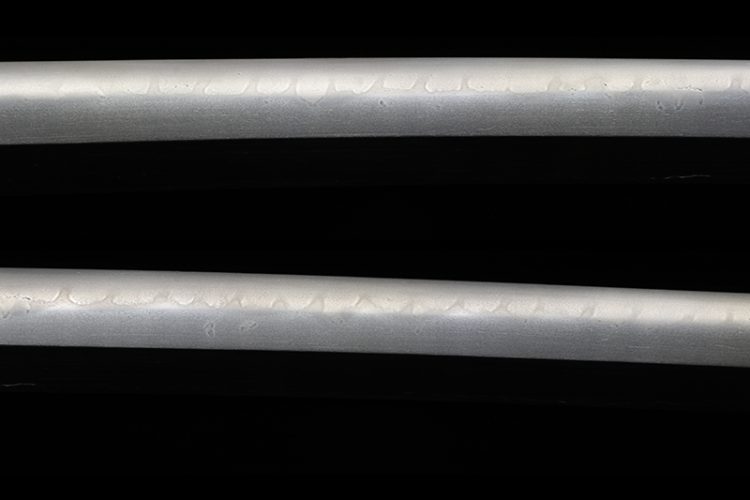
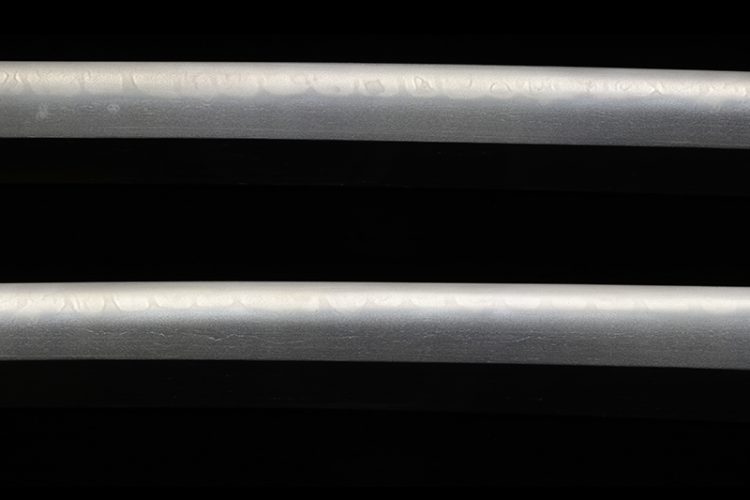
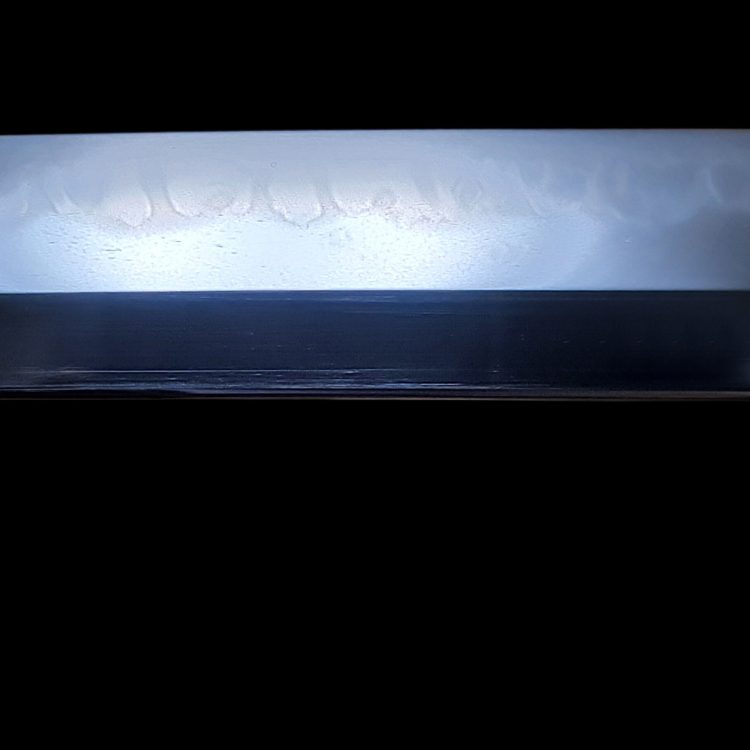
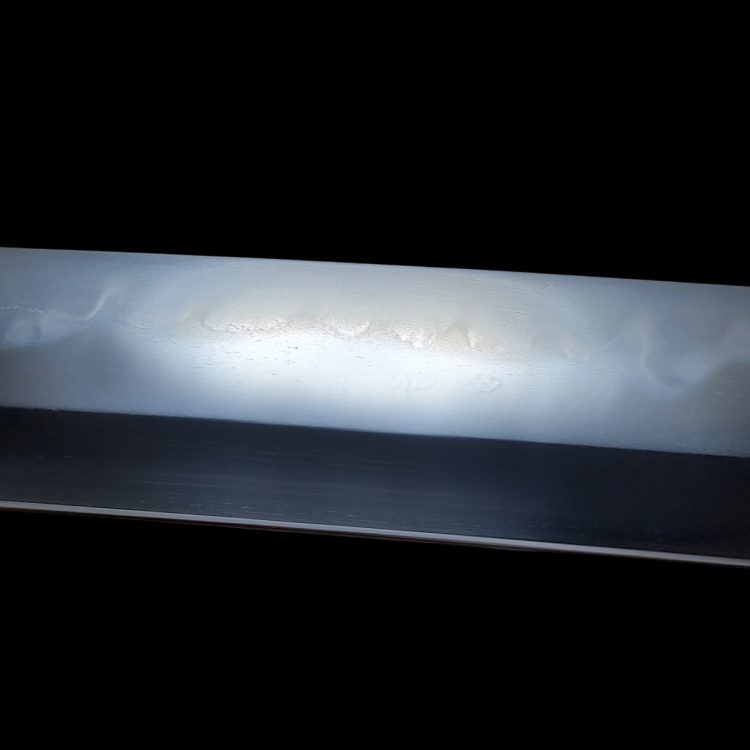
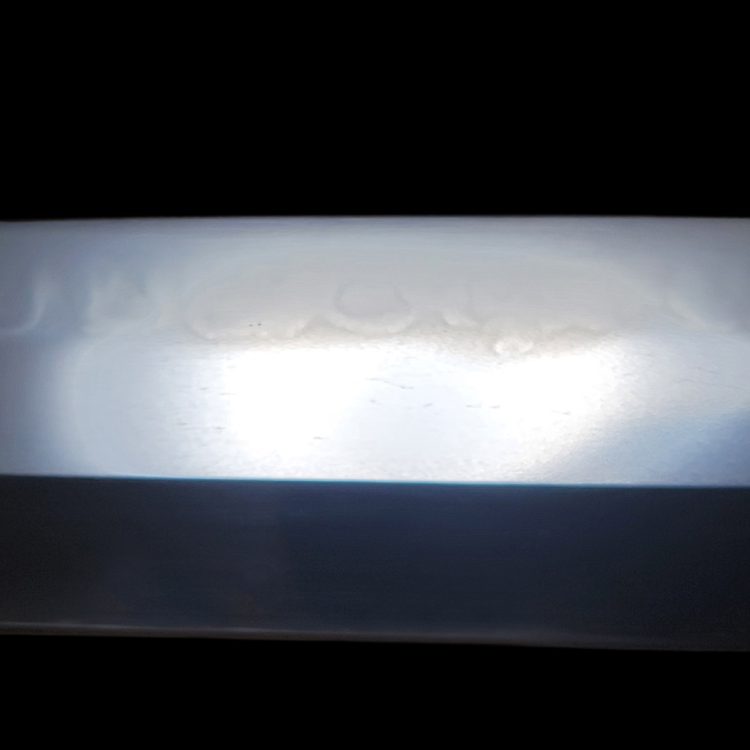
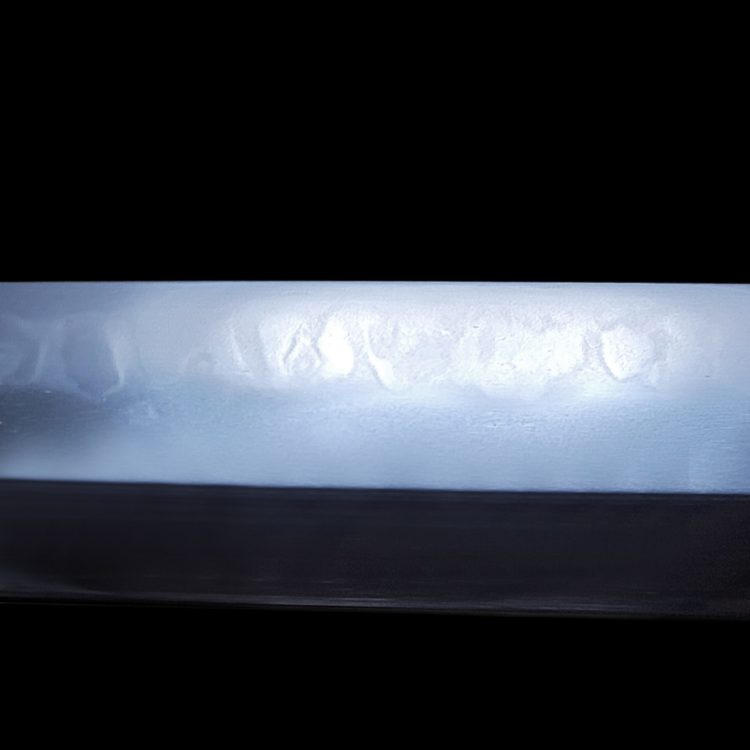
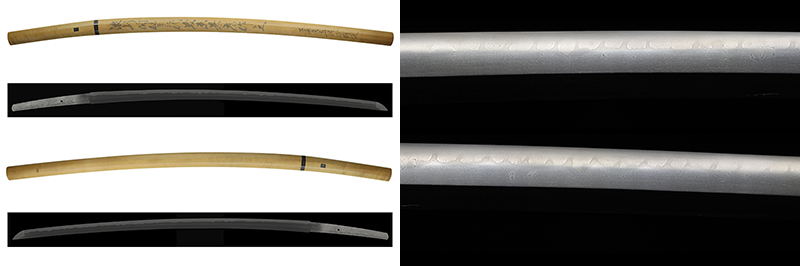
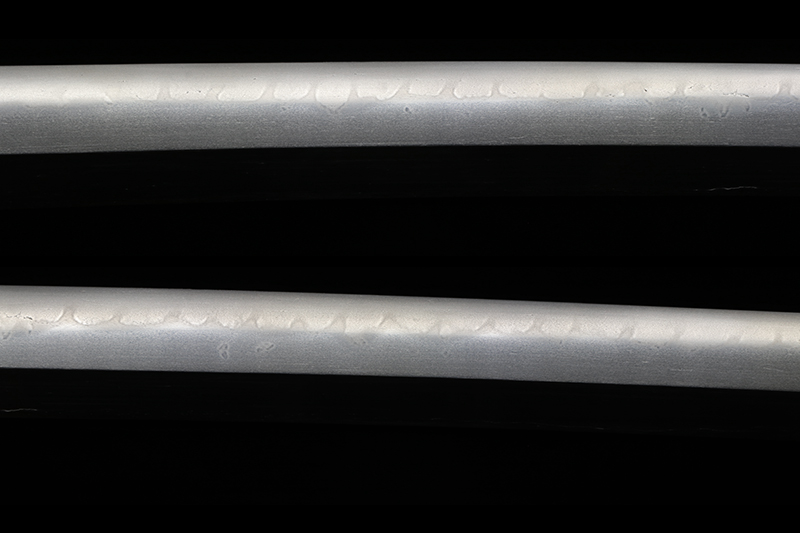
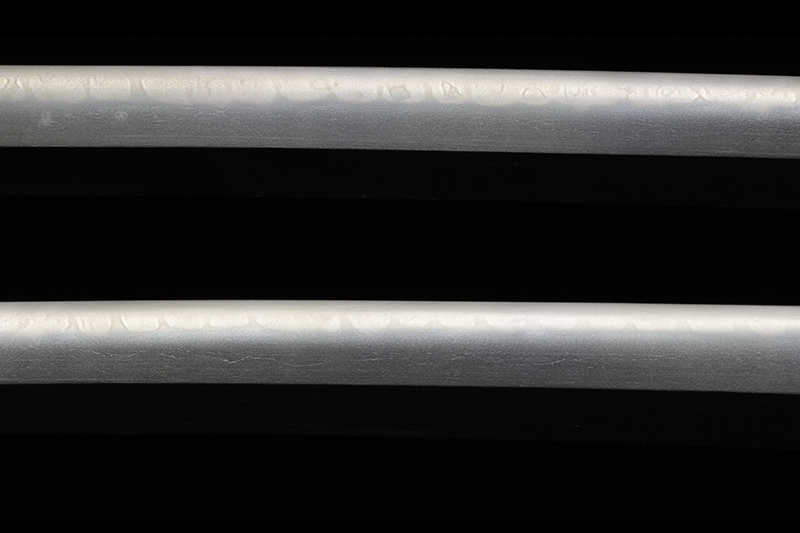
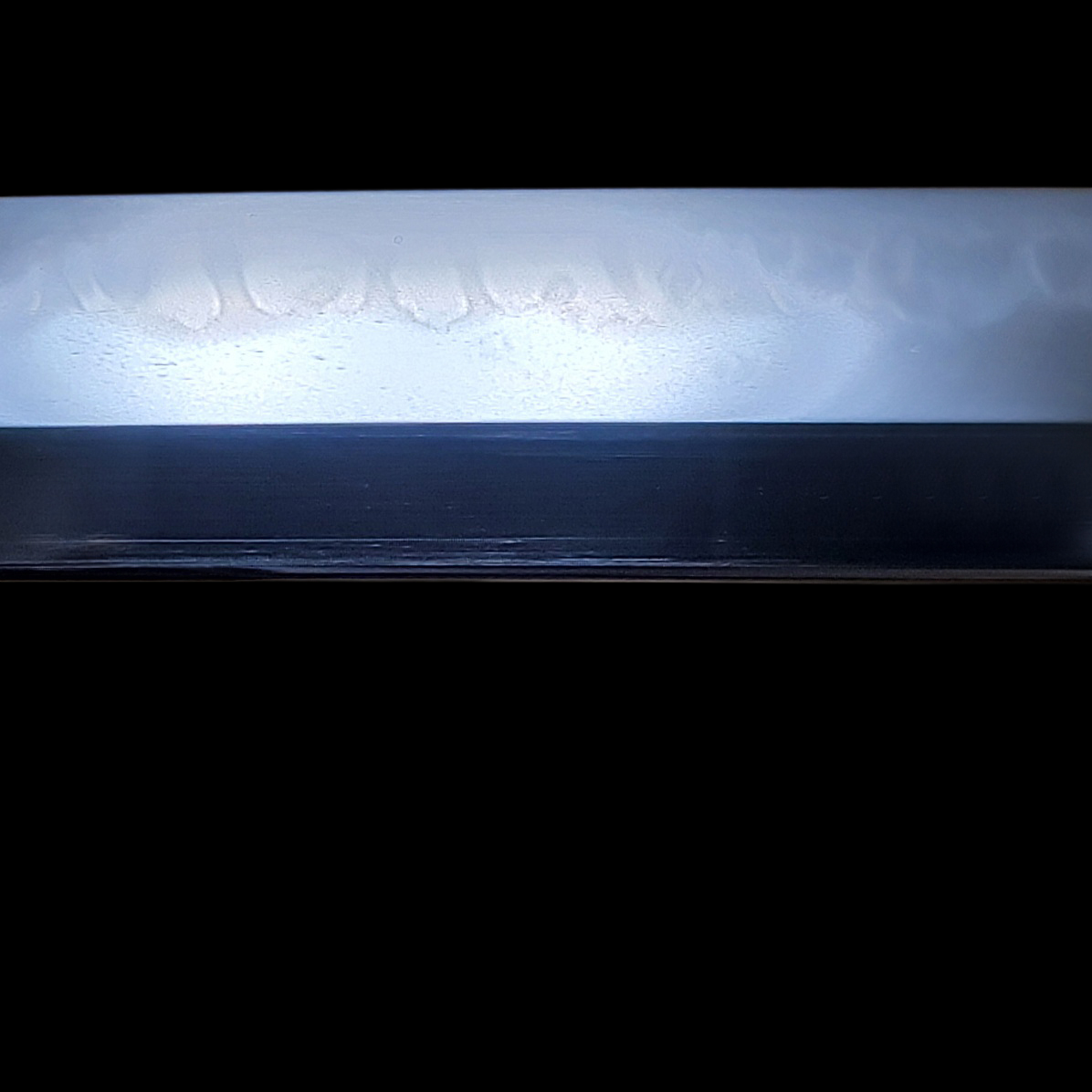
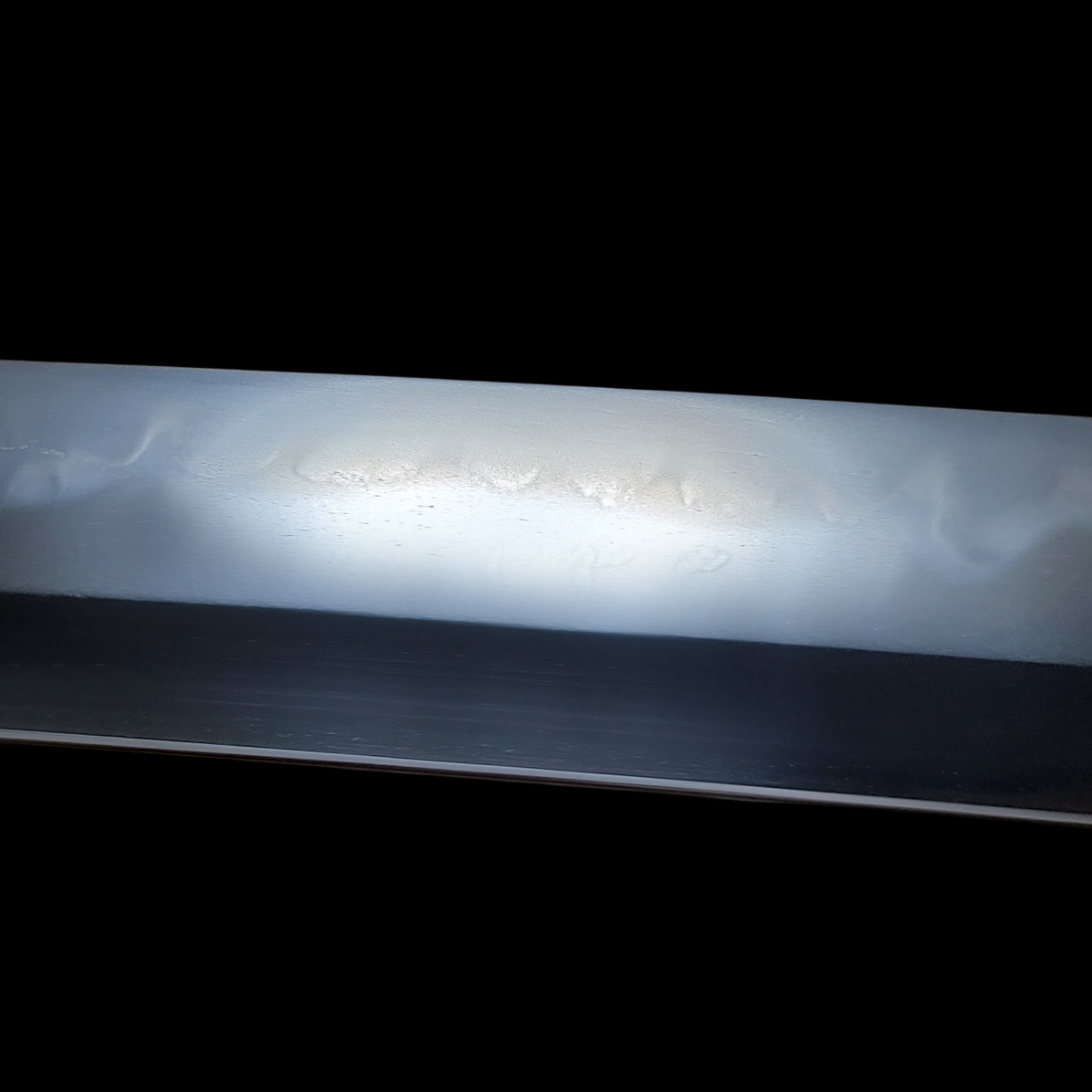
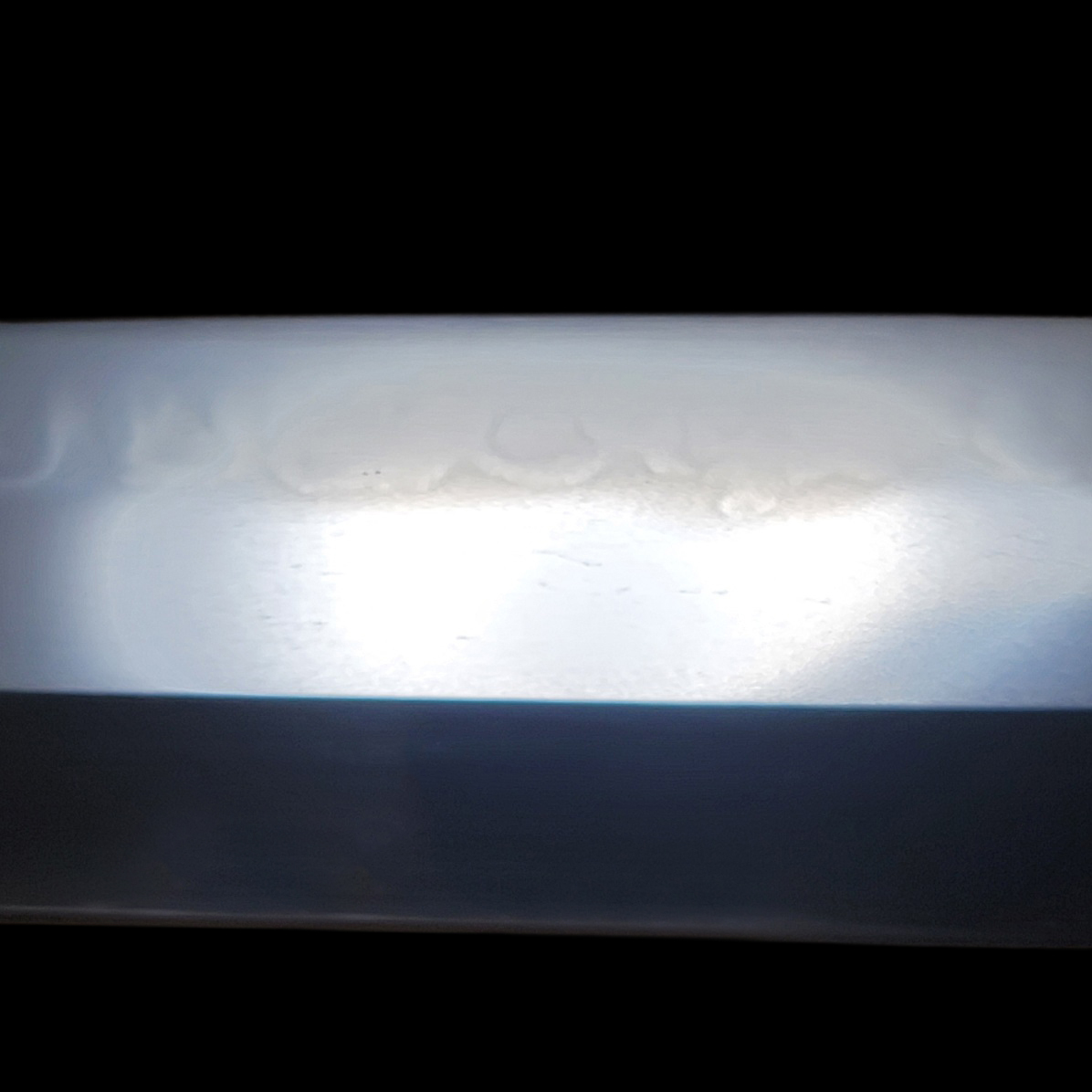
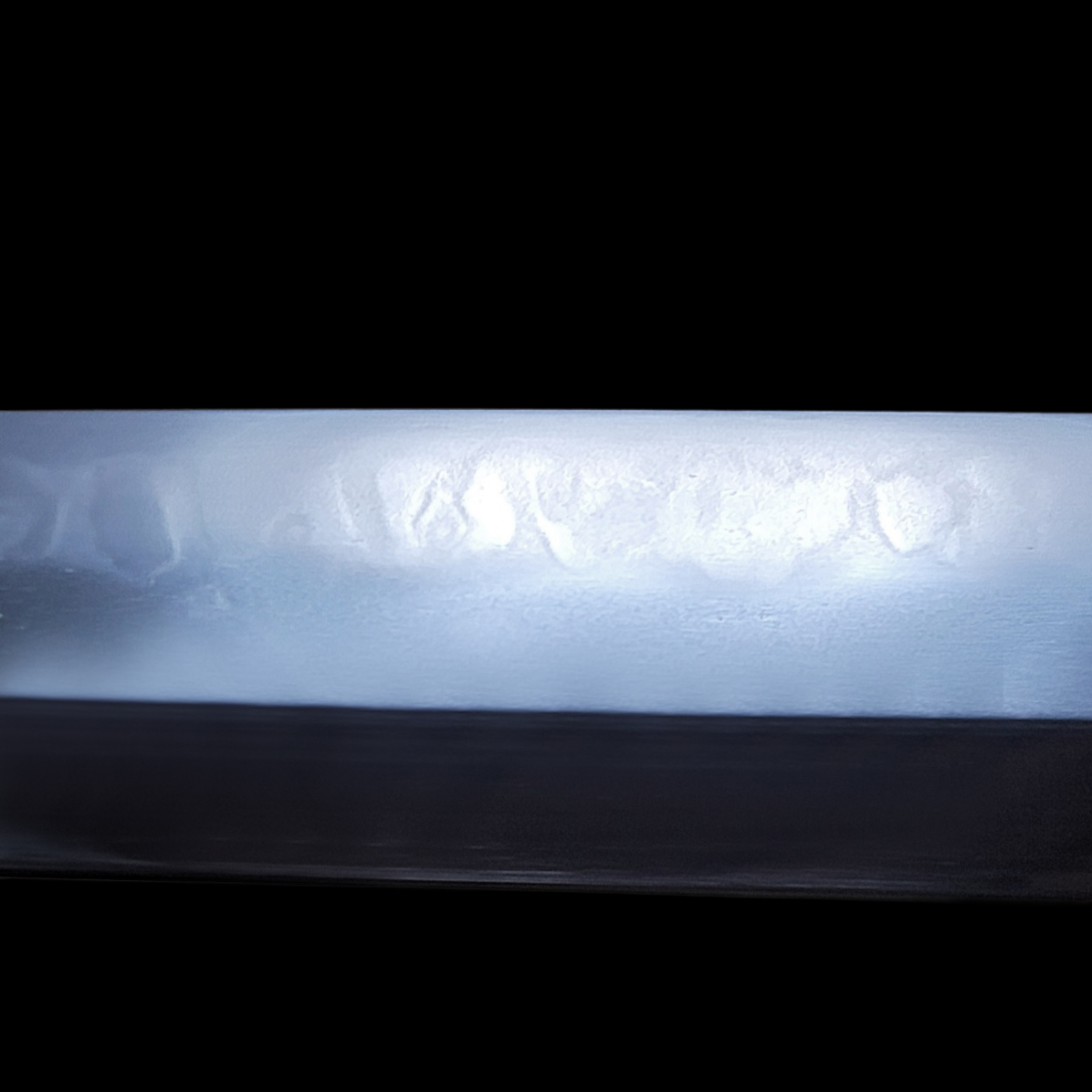
刃紋は拳形の丁子刃(俗に言う兼房丁子)、刃中は葉が入り金筋が働く。釯子は乱れ込み小丸に返る。
The hamon is a fist-shaped choji pattern (commonly referred to as kenbo-choji). Within the hamon, yo (leaf-like activities) are present and kinsuji are actively working.
The bōshi is midare-komi and turns back in a ko-maru (small rounded) form.
「特徴 detailed」
二十四代藤原兼房。本名は加藤孝雄、大正11年9月8日生れ、岐阜県関市栄町住、師は父である二十三代兼房。
新作名刀展にて薫山賞、優秀賞7回、努力賞15回等を受賞し、平成9年に岐阜県無形文化財に認定される。正に関を代表する刀工です。
本作は、精緻な地鉄に家伝の兼房丁子やを焼いた素晴らしい刀で、長さも77.6cmと長く貴重な一振りです。
The 24th generation Fujiwara Kanefusa, whose real name was Kato Takao, was born on September 8, 1922, and resided in Sakae-machi, Seki City, Gifu Prefecture. He studied under his father, the 23rd generation Kanefusa.
He received numerous awards at the annual Shinsaku Meito Exhibition, including the Kunzan Prize, seven Excellence Awards, and fifteen Effort Awards. In 1997, he was designated as a holder of the Intangible Cultural Property of Gifu Prefecture. He is truly one of the representative swordsmiths of Seki.
This piece features a finely forged jigane and is tempered in the family-tradition Kanefusa choji hamon, making it an outstanding sword. With a blade length of 77.6 cm, it is a long and highly valuable piece.
「拵 Koshirae」
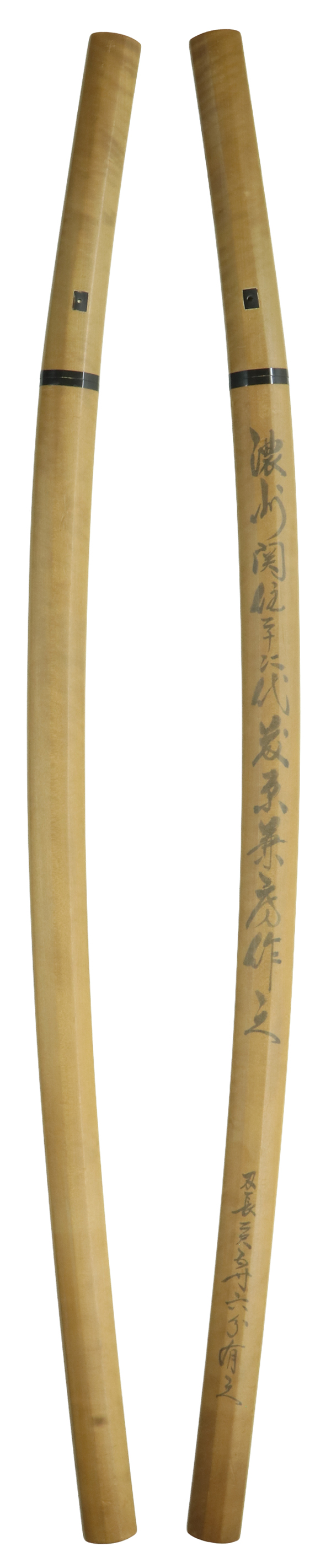
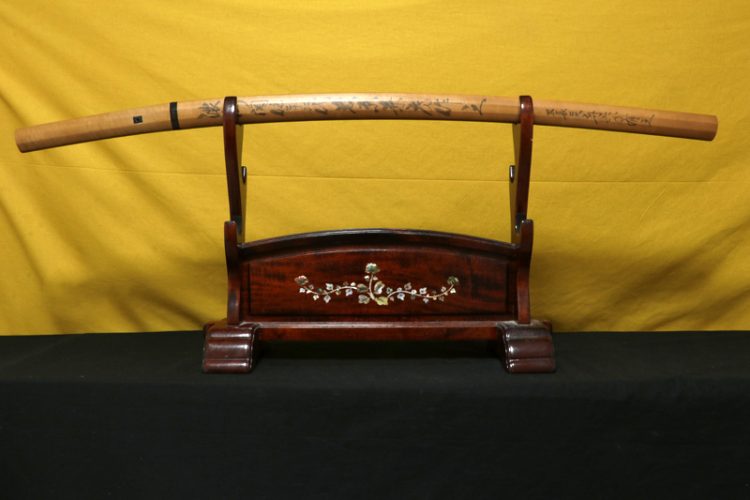
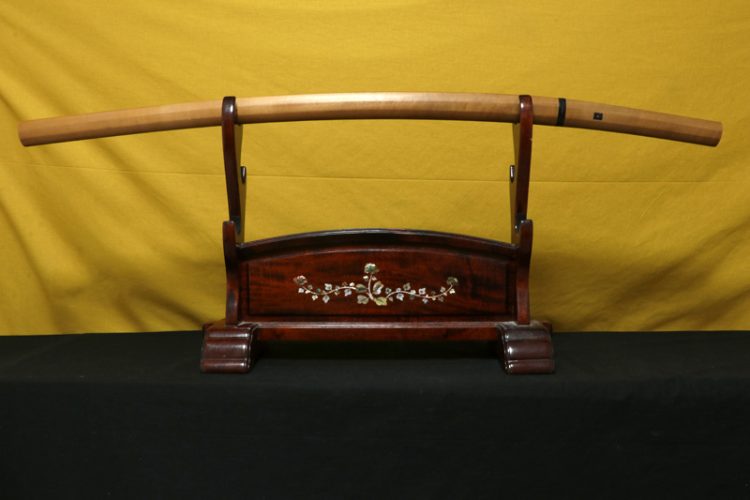
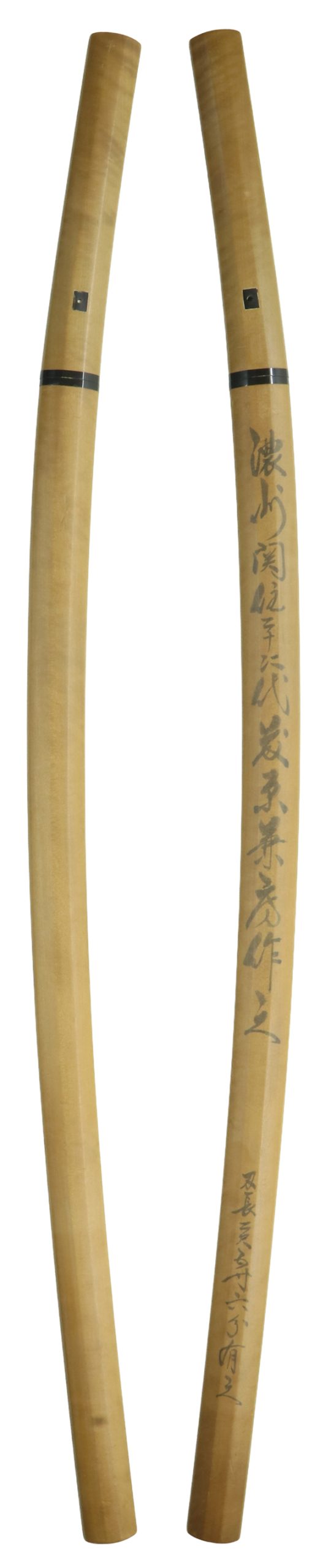
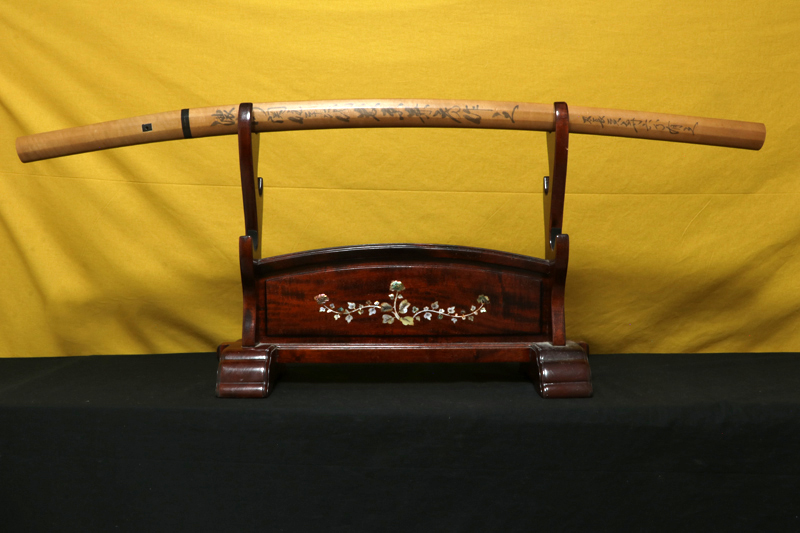
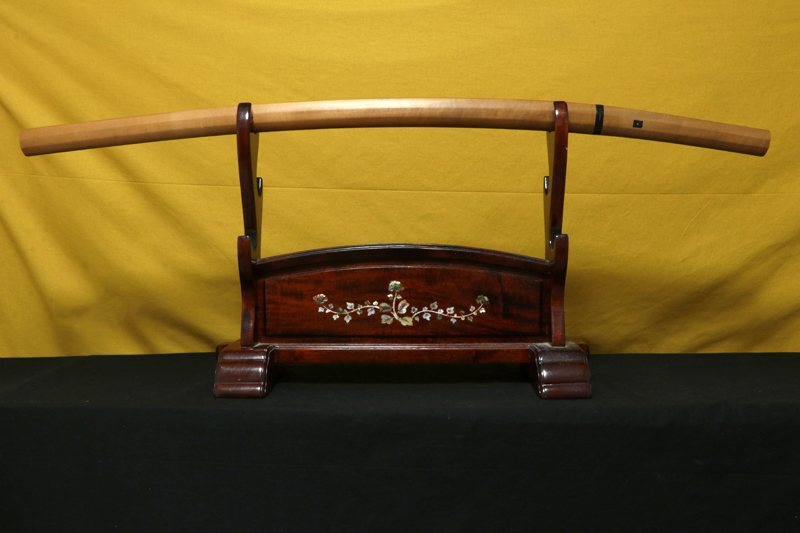
白鞘は高級な虎班の朴木を使っています。
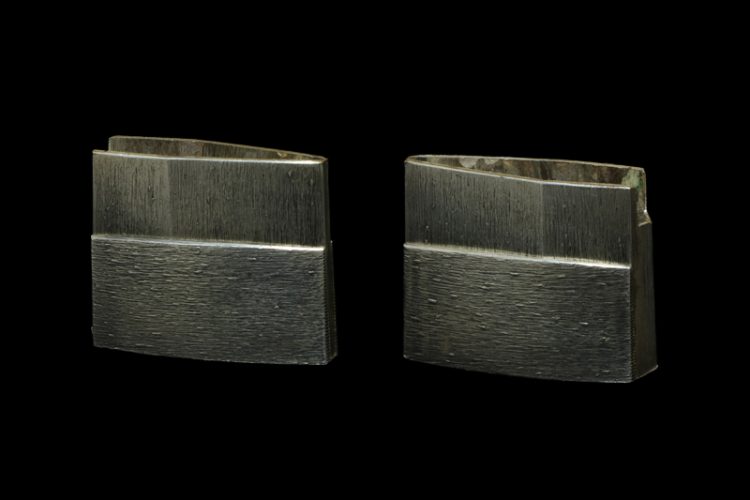
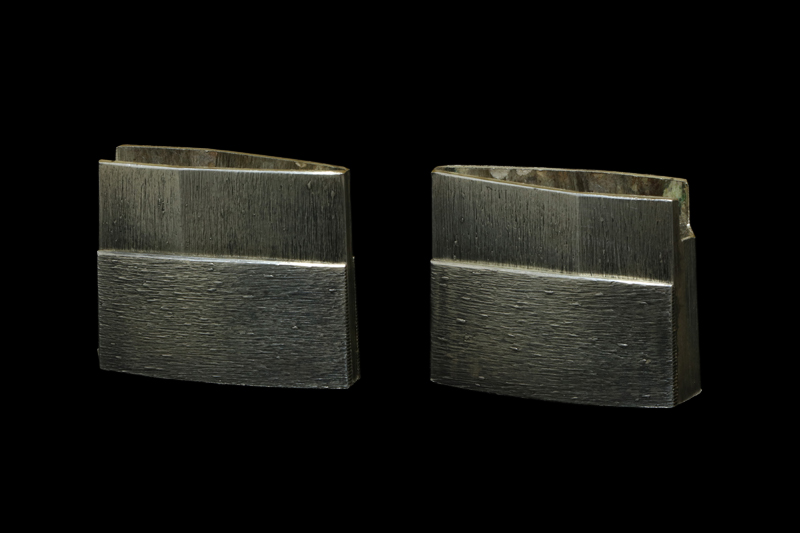
ハバキ(habaki) :銀無垢二重鎺。
鞘(saya) :白鞘(鞘書きが有ります)。
「刀剣の状態 condition of blade」
研:概ね良好です。
傷:欠点に成るような傷は有りません。