
説明
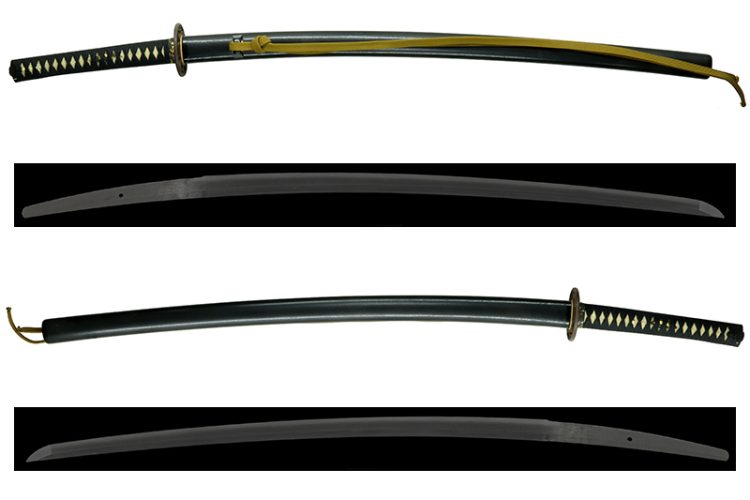
「刀姿 sword figure」
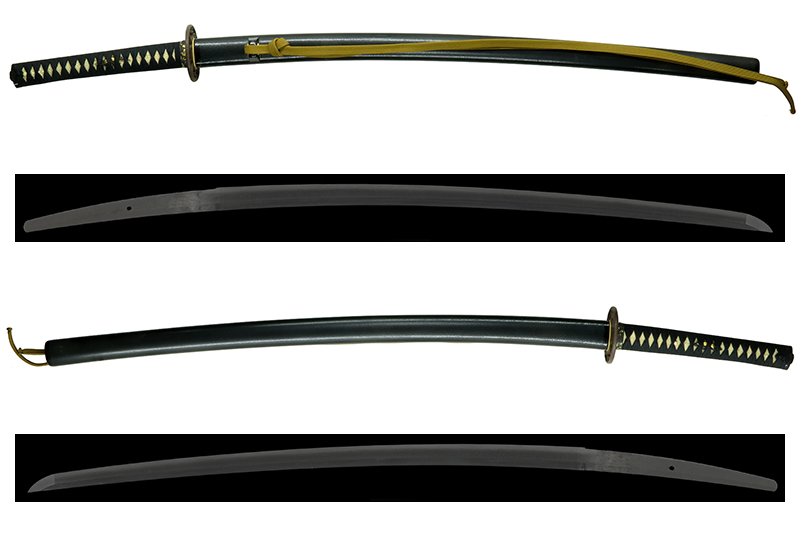
鎬造り庵棟、身幅重尋常、鳥居反り中鋒。茎は区が送られ化粧鑢がかかる。茎尻は栗尻。
Shinogi-zukuri with an iori-mune (peaked back). The blade has standard width and thickness, with torii-style curvature and a medium-sized kissaki.
The tang (nakago) has had the machi moved (machi-okuri) and shows kesho-yasuri (decorative file marks). The tang tip is in kuri-jiri (rounded chestnut) form.
「地鉄 jigane」
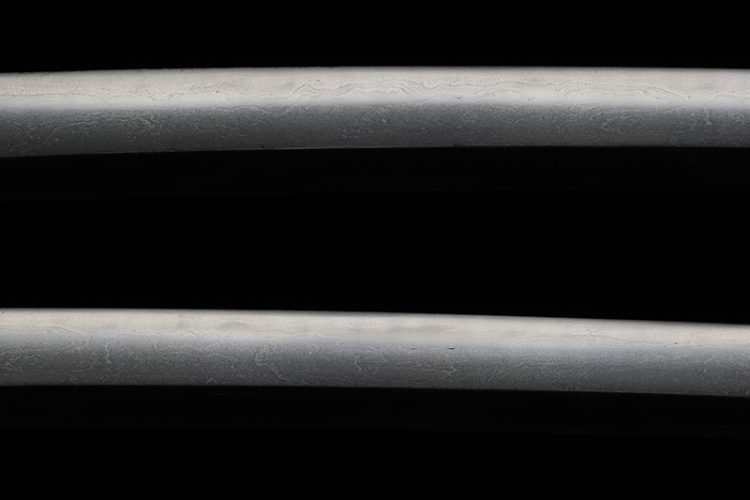
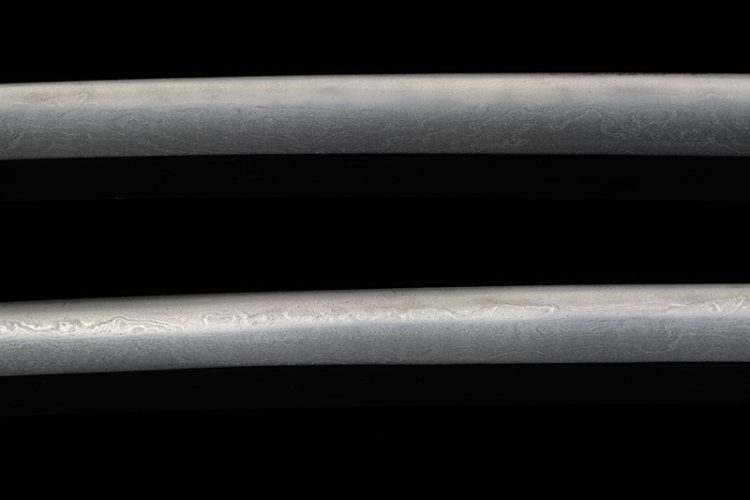
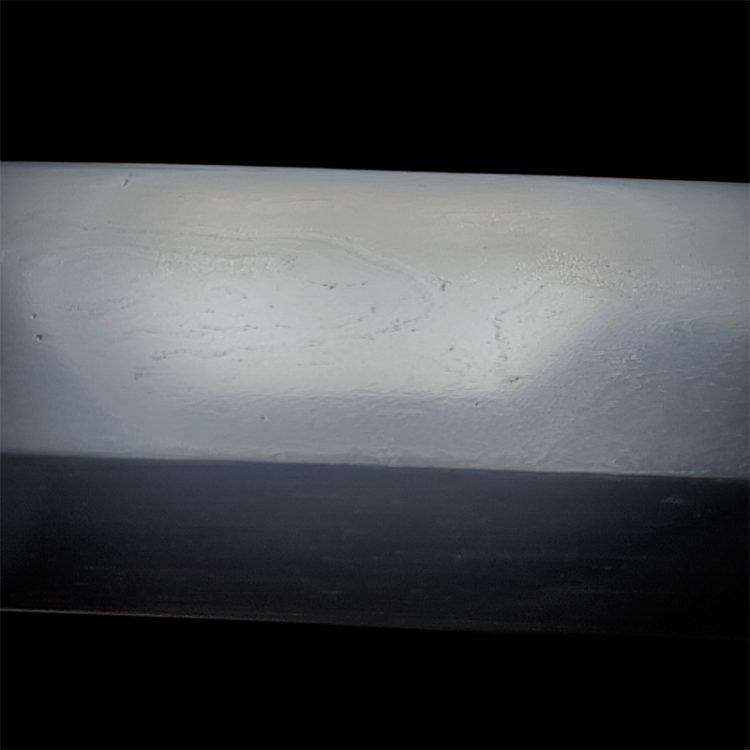
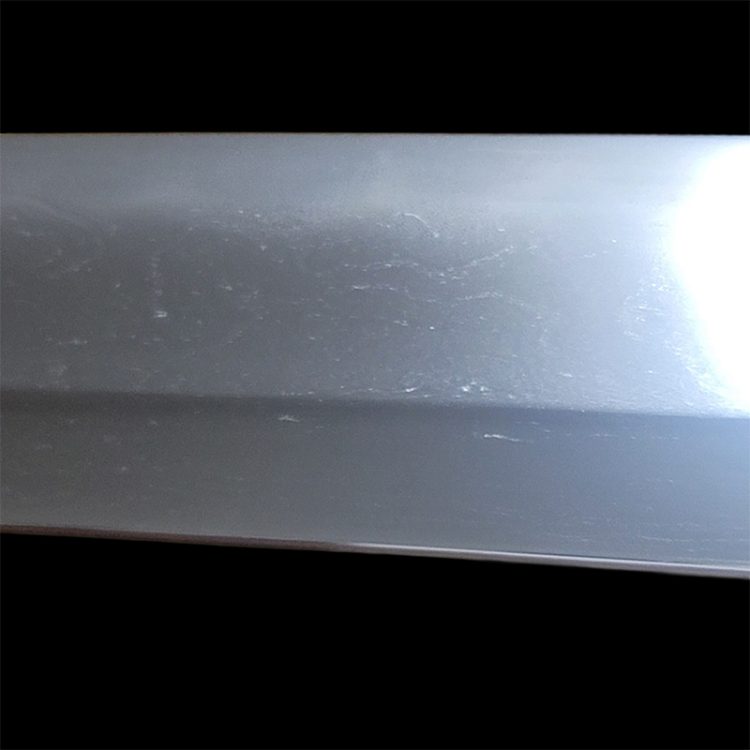
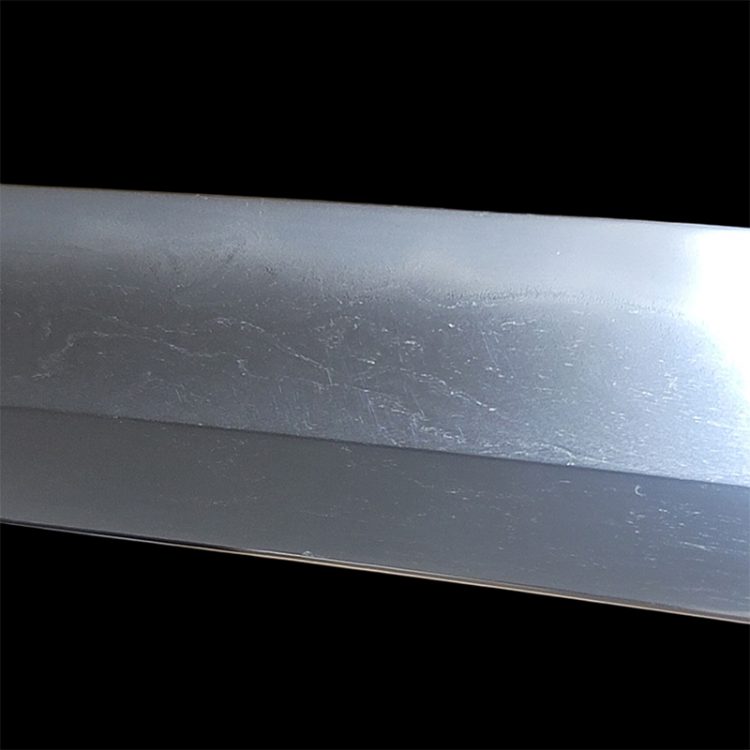
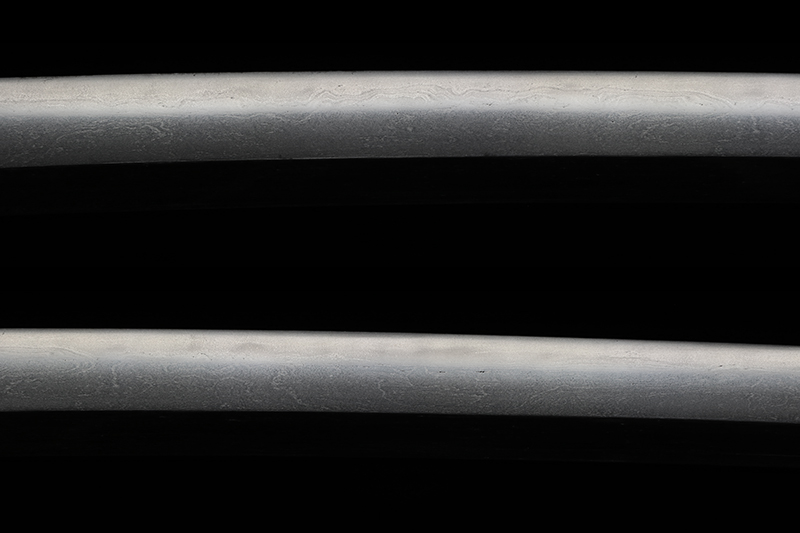
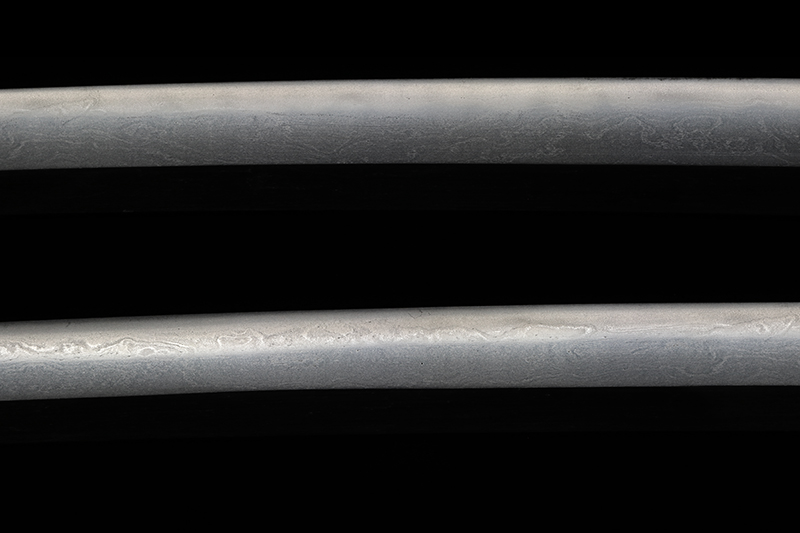
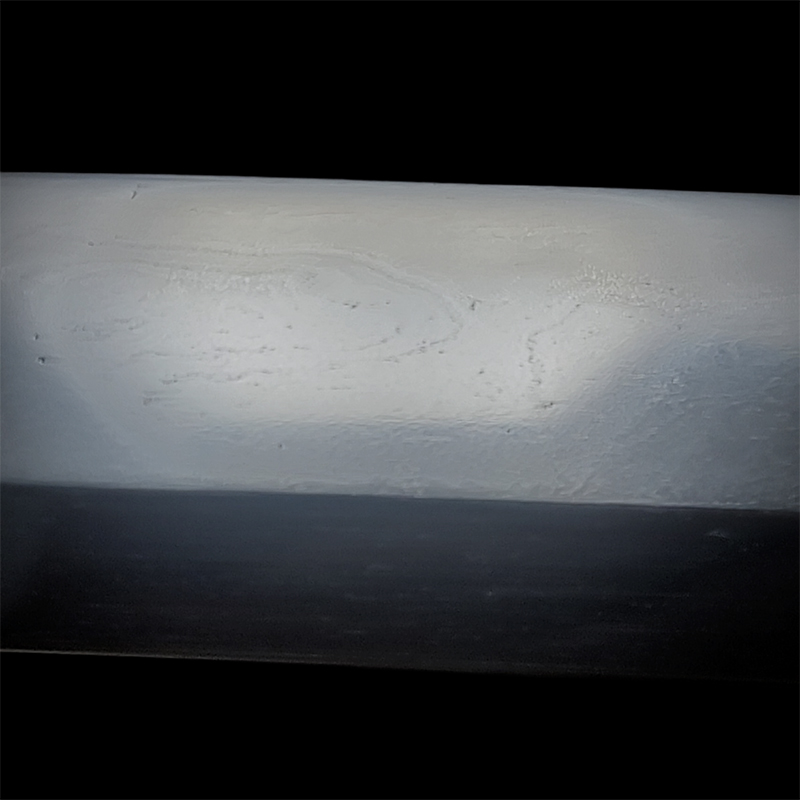
地鉄は、大板目肌が肌立ち地沸付く。
The jigane (surface steel) shows a prominent ō-itame hada with standing grain and ji-nie present.
「刃紋 hamon」
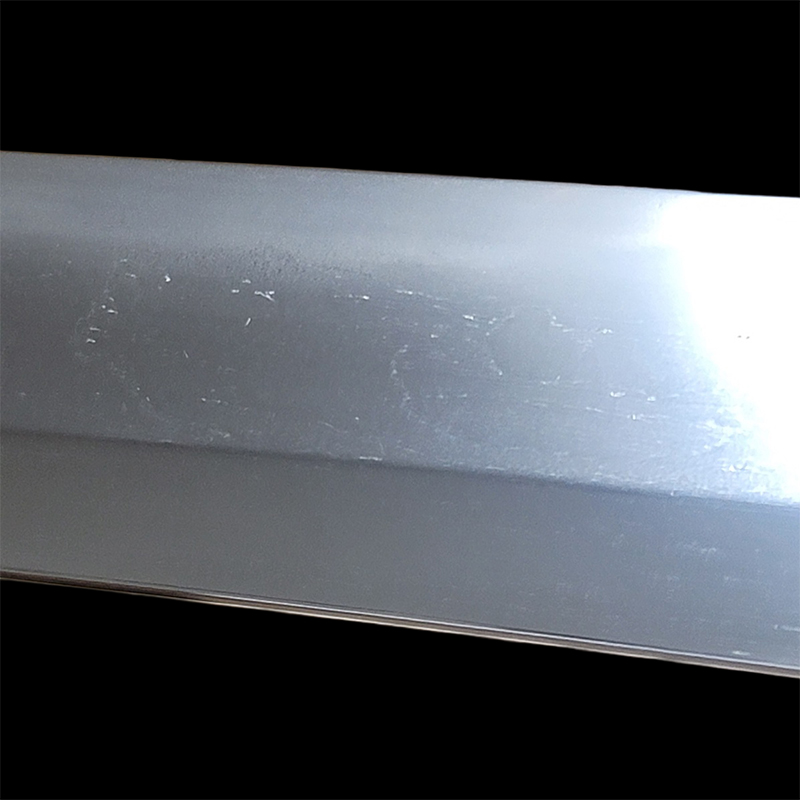
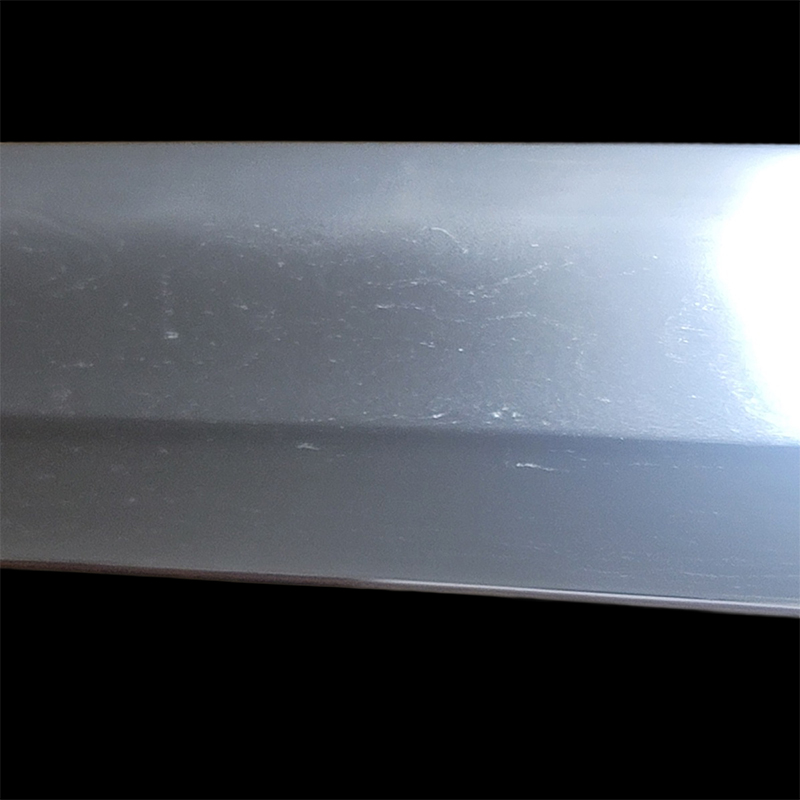
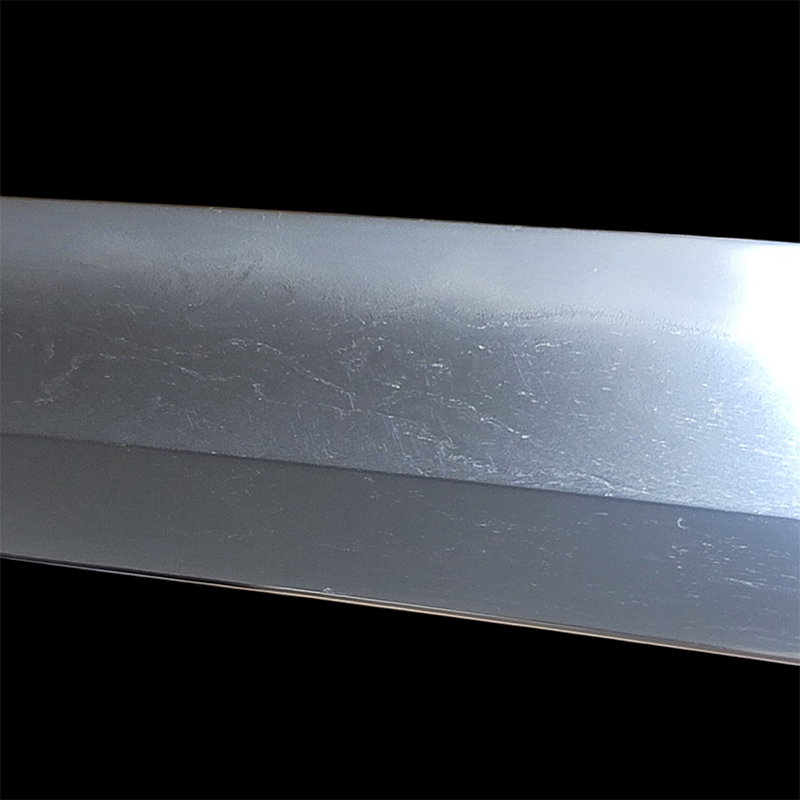
刃紋は互の目乱れ、刃縁沸付き、砂流しかかり、刃中は金筋が多く働く。釯子は乱れ込み小丸に返る。
The hamon is gunome-midare, with nie along the habuchi and sunagashi running through it. Numerous kinsuji are actively present within the hamon.
The bōshi is midare-komi and turns back in a ko-maru (small rounded) form.
「特徴 detailed」
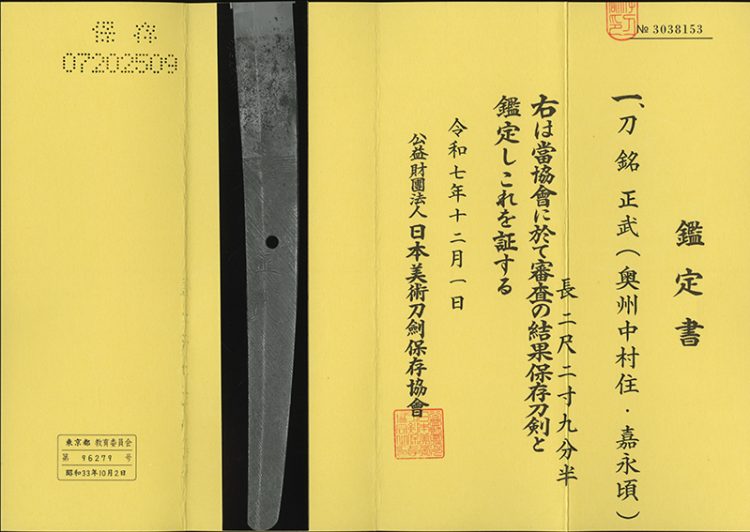
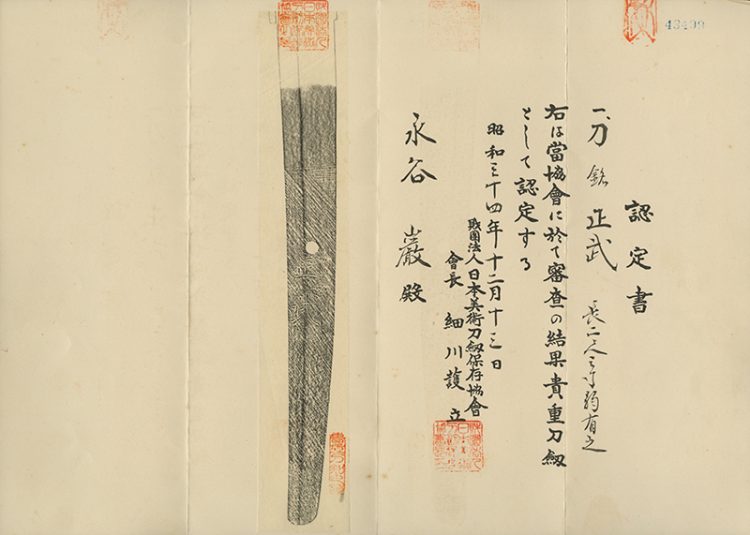
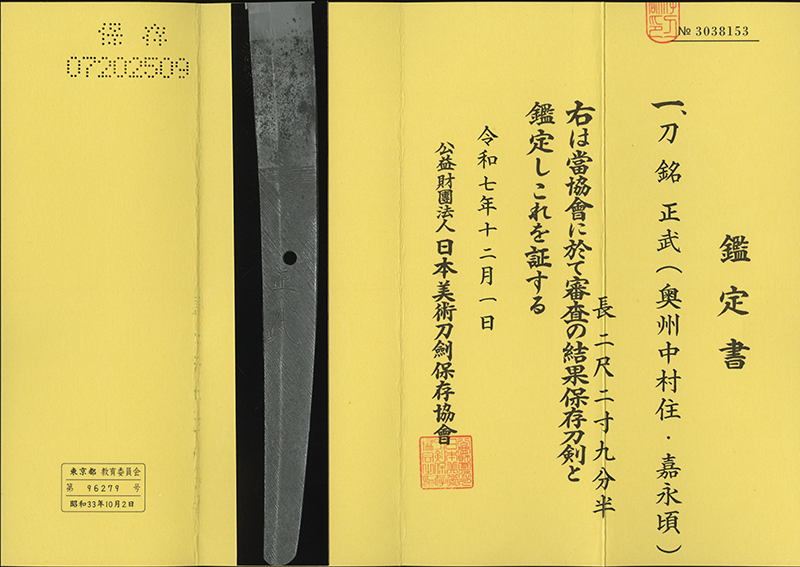
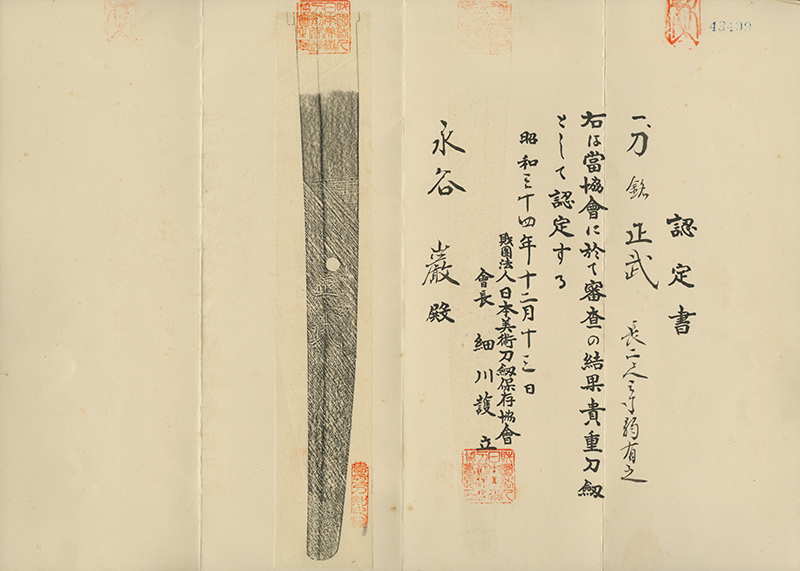
正武(二代)は、江戸時代後期・嘉永頃に活躍した刀工です。生国は相州小田原で、鎌倉でも作刀しています。銘鑑には奥州中村での記載はありませんが、相州小田原から相馬中村へ移住、あるいは出稼ぎ(駐槌)していた可能性が考えられます。
相馬中村藩は、1868年の戊辰戦争において、南隣の磐城平藩や北隣の仙台藩とともに奥羽越列藩同盟に参加し、同年7月には浜街道を北上してきた明治政府軍に対し、仙台藩や米沢藩と連携して戦いました。
本刀は、この時代に区送り(まちおくり)が施され、手持ちを軽くするために調整されたものと考えられます。そして、新政府軍との戦いに用いられた可能性があります。
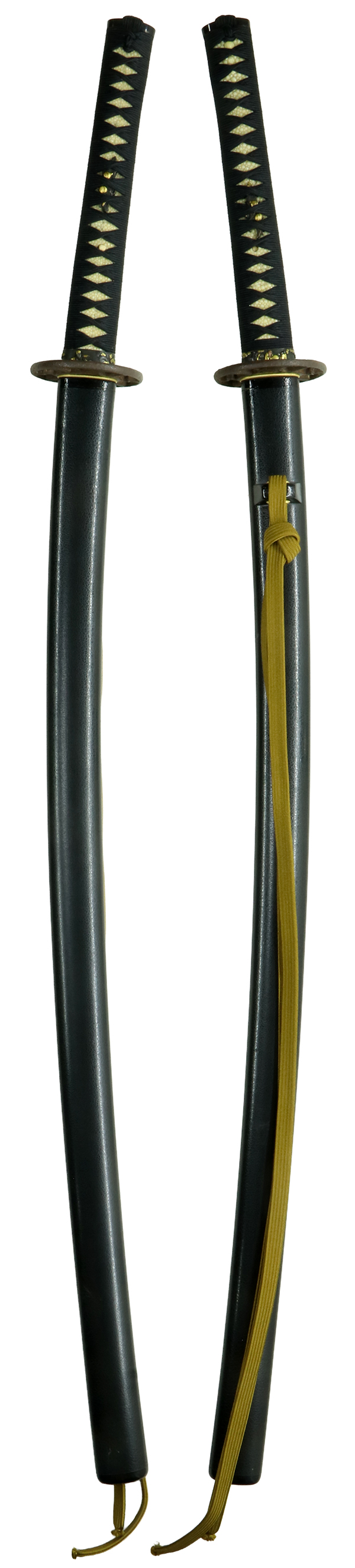
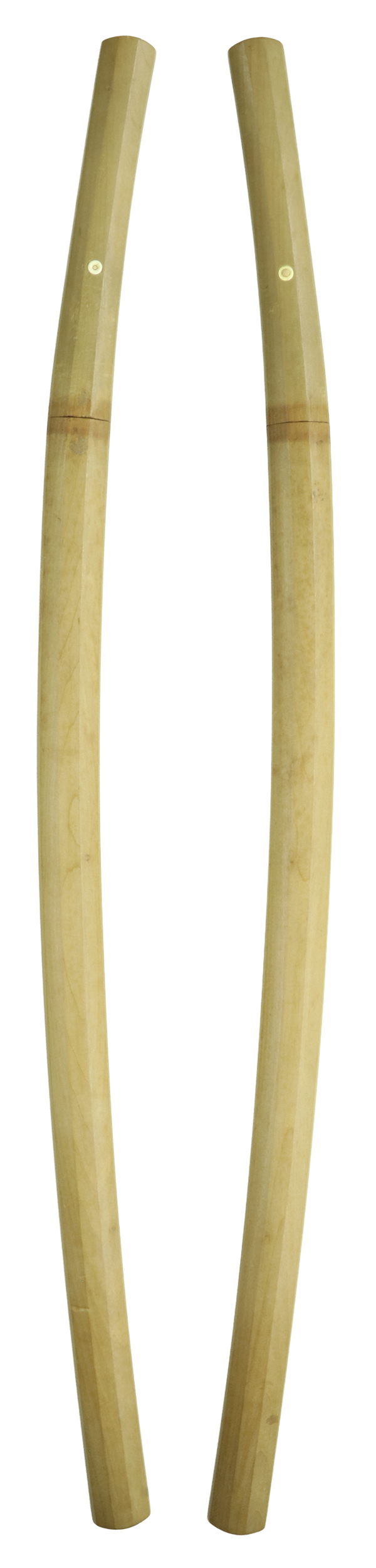
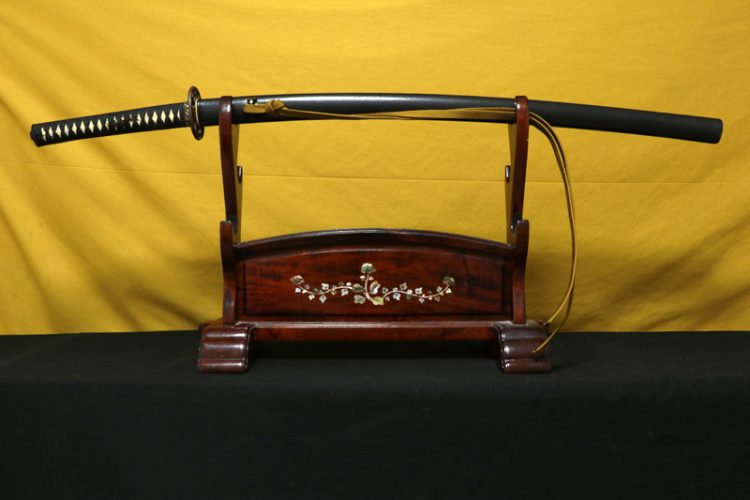
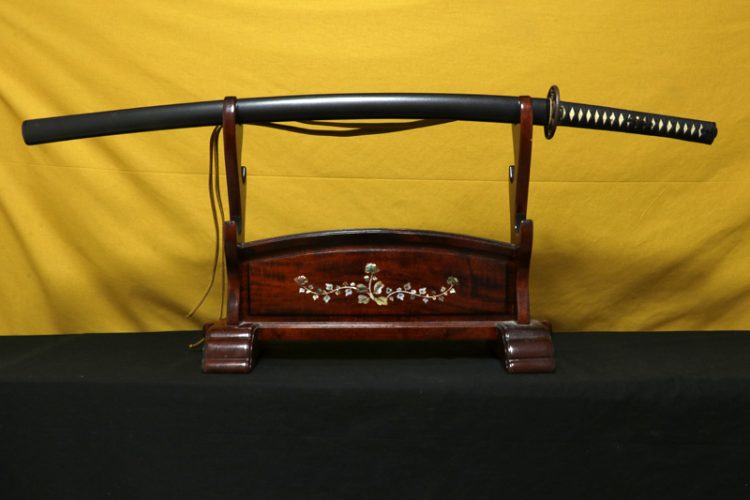
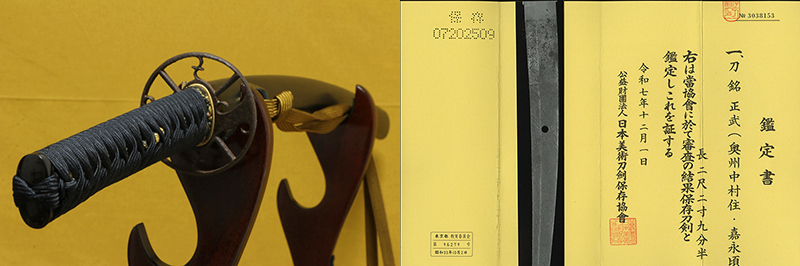
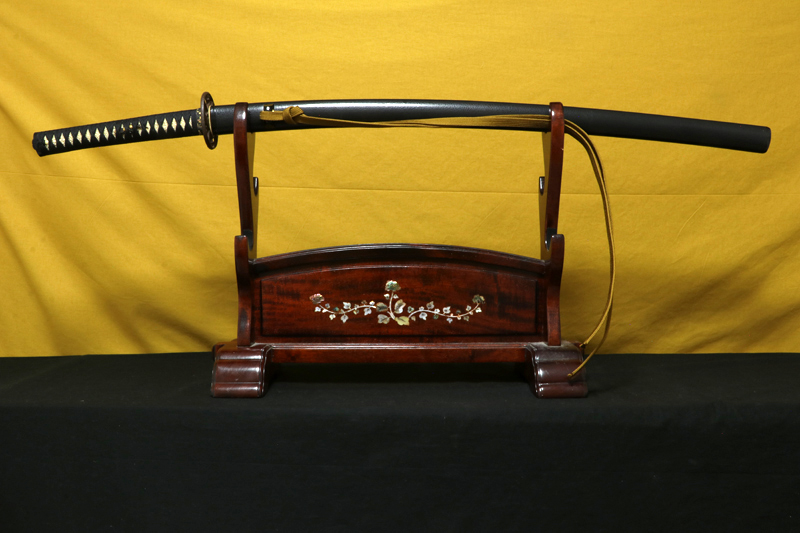
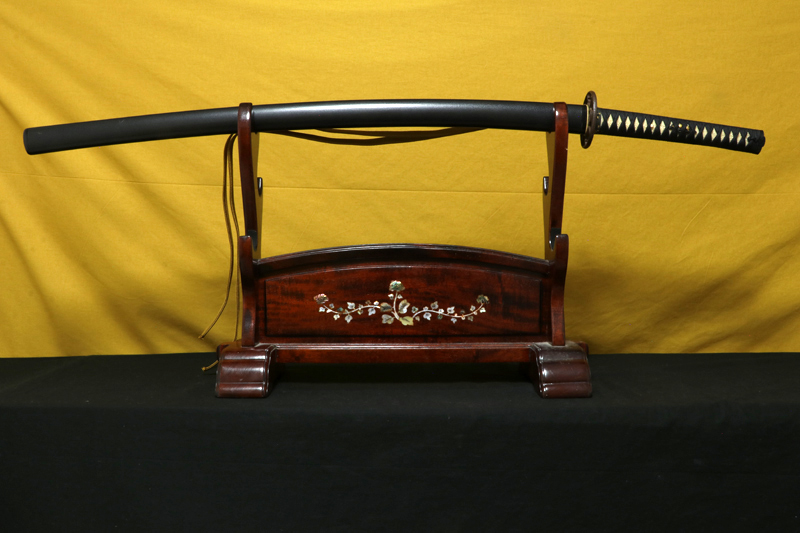
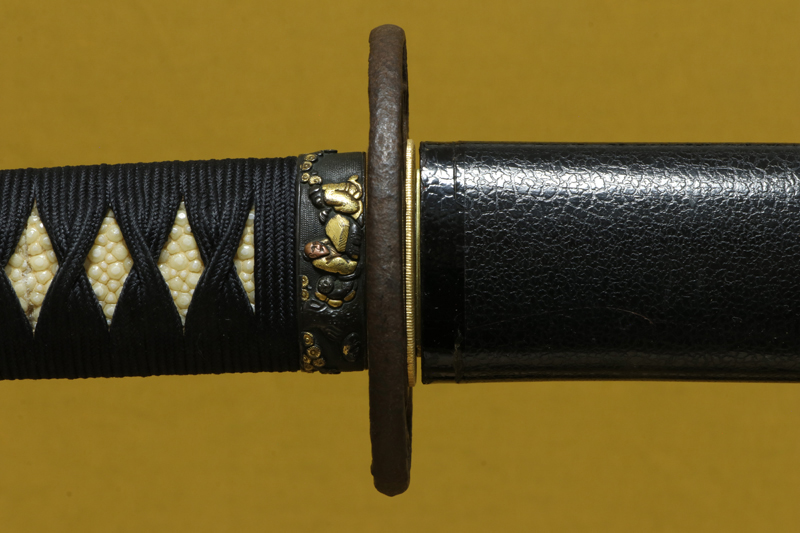
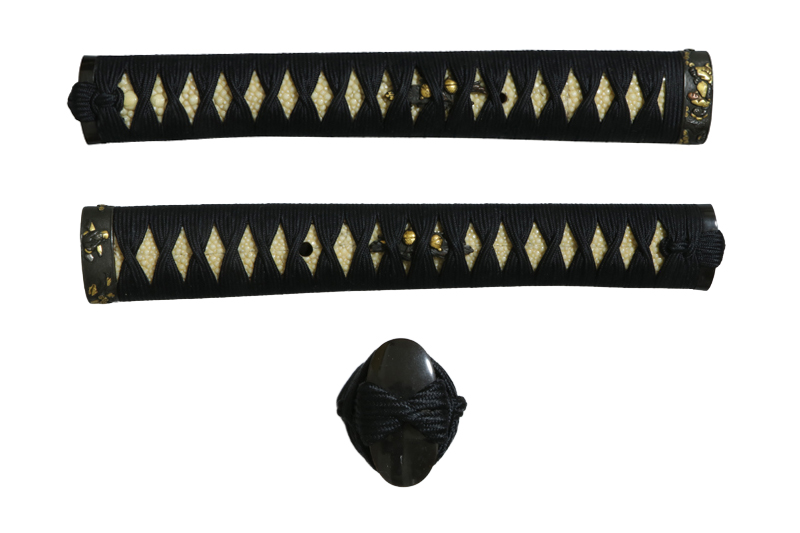
本作は、特徴的な大板目肌に相州伝の刃文を焼いた優れた一振りです。刀身は古研ぎながらも、地刃の状態は良好で、見どころがしっかりと確認できます。拵のコンディションも良く、柄巻は新品に巻き替えられています。
戊辰戦争を戦った刀を是非手に入れて下さい。
Masatake (2nd generation) was a swordsmith active in the late Edo period, around the Kaei era. He was born in Odawara in Sagami Province and also forged swords in Kamakura. Although there is no record of him in Nakamura, Oshu in the swordsmith directories, it is possible that he either relocated or worked there temporarily (on commission) from Odawara to Sōma Nakamura.
During the Boshin War of 1868, the Soma Nakamura domain joined the Ōuetsu Reppan Dōmei (Northern Alliance) along with neighboring domains such as Iwakitaira to the south and Sendai to the north. In July of that year, they fought against the advancing forces of the new Meiji government along the Hamakaido, in cooperation with the Sendai and Yonezawa domains.
This sword is believed to have undergone machi-okuri (moving the machi) during this period, likely to reduce weight and improve handling. It is also possible that it was used in battles against the new government forces.
This piece features a distinctive ō-itame hada and a hamon in the Sōshū tradition, making it an excellent blade. Although it is in an old polish, the jigane and hamon remain clearly visible and in good condition.
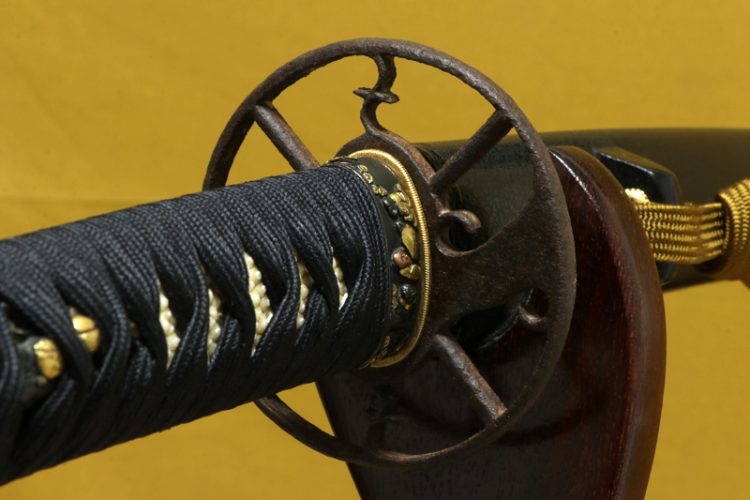
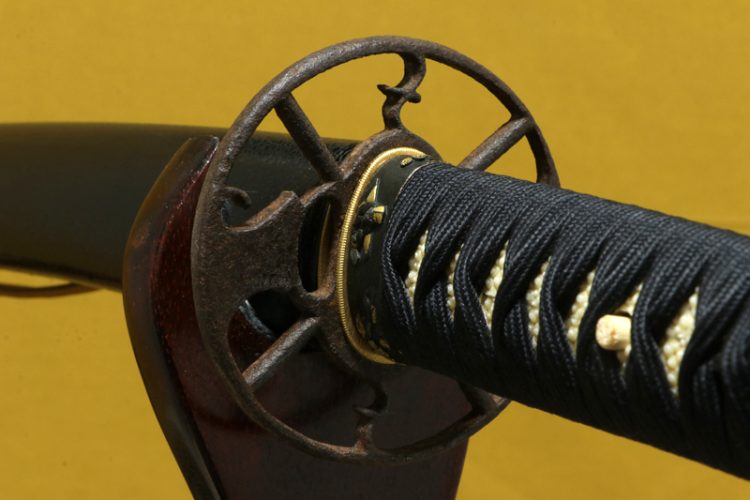
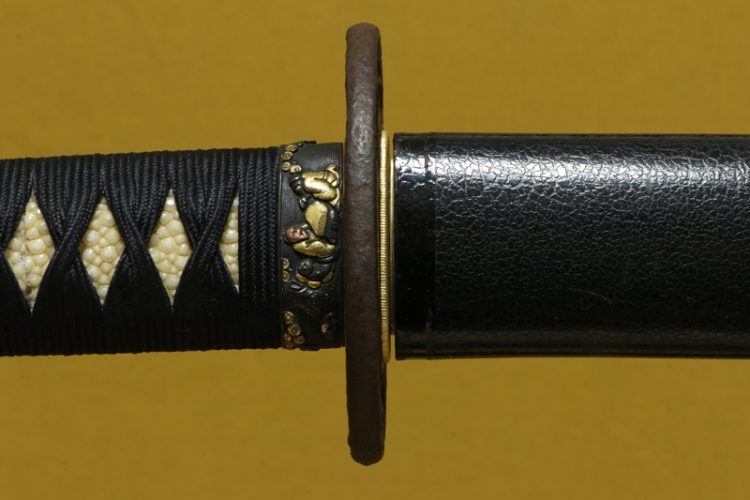
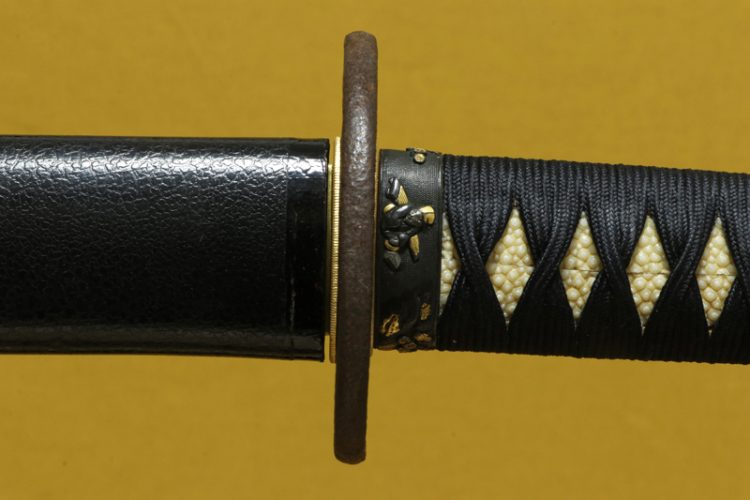
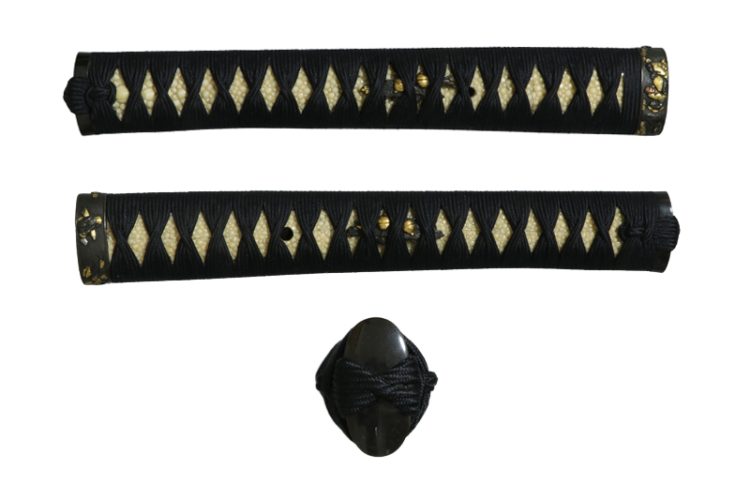
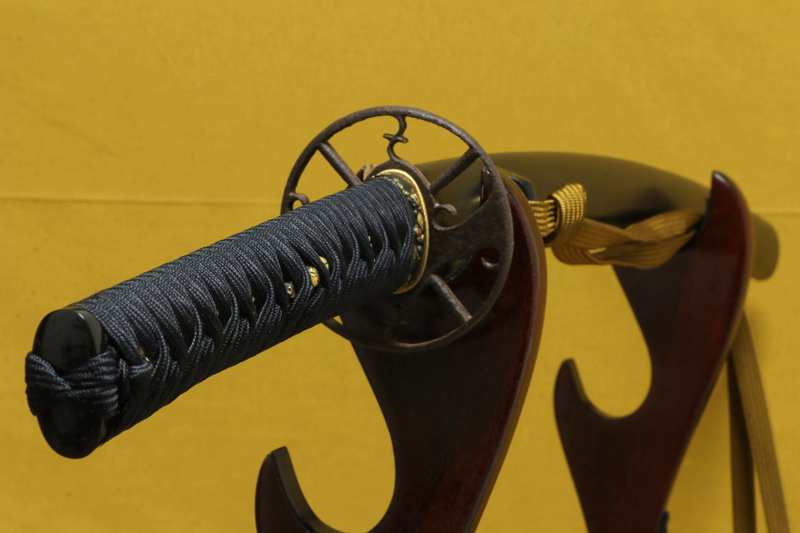
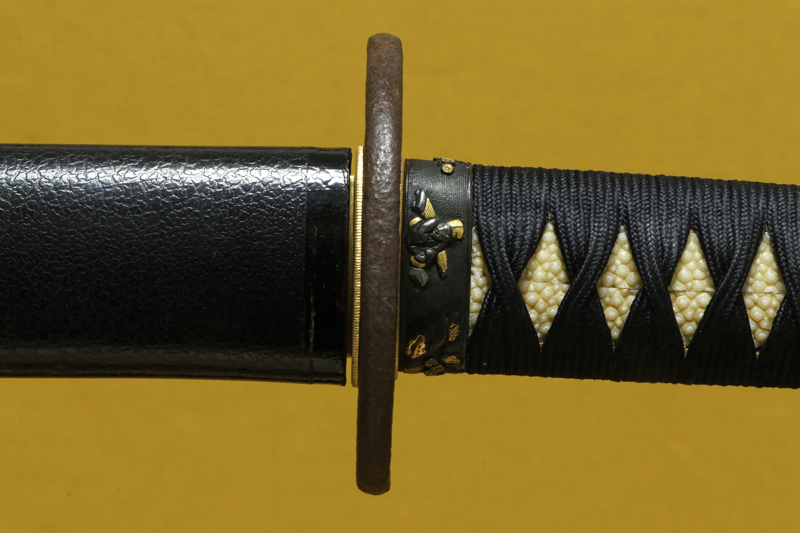
The koshirae is also in good condition, and the tsuka has been newly rewrapped.
Please take this opportunity to own a sword that is believed to have been used in the Boshin War.
「拵 Koshirae」
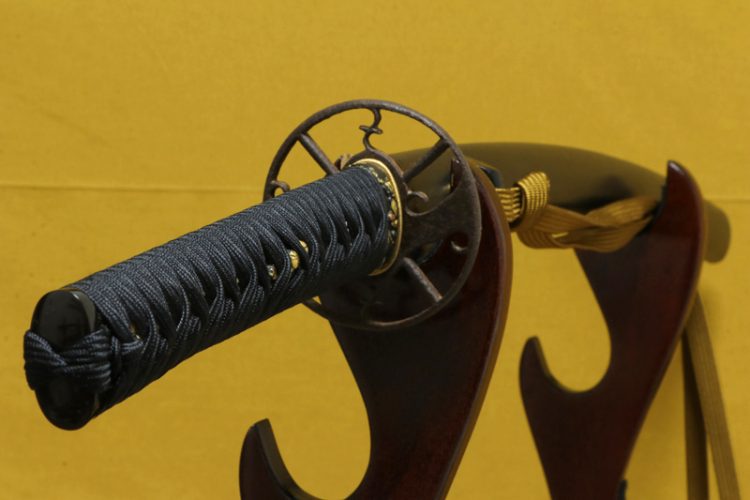
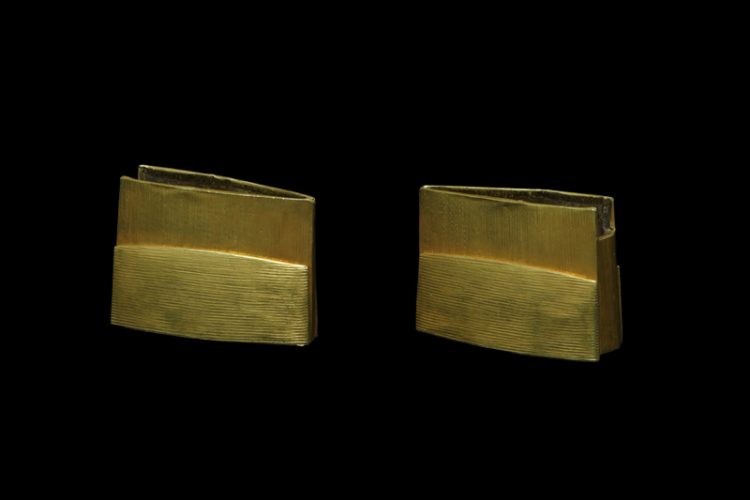
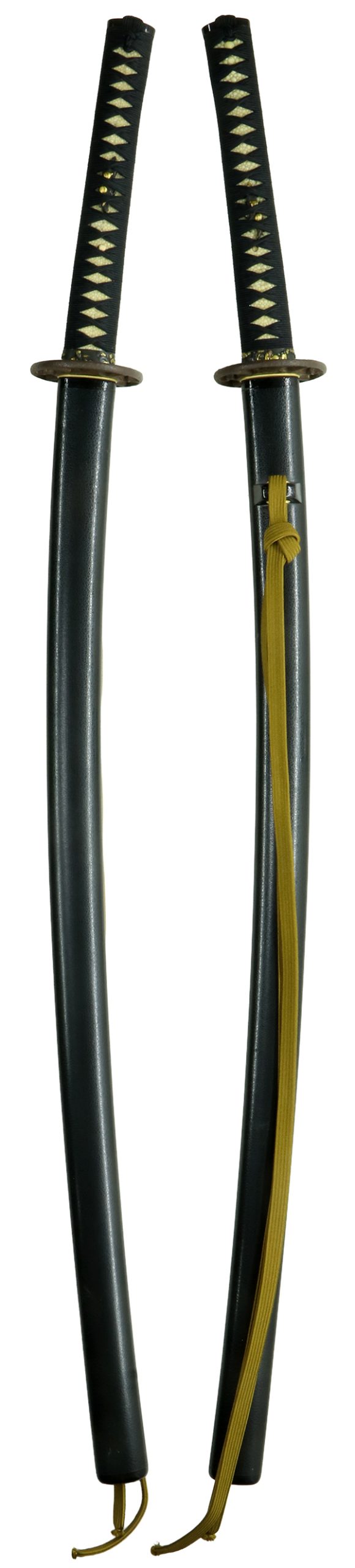
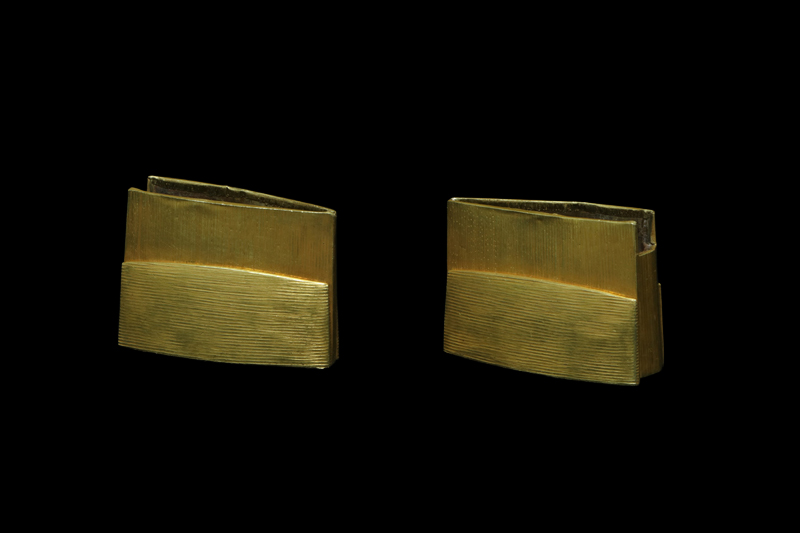
ハバキ(habaki) :素銅地金着二重。
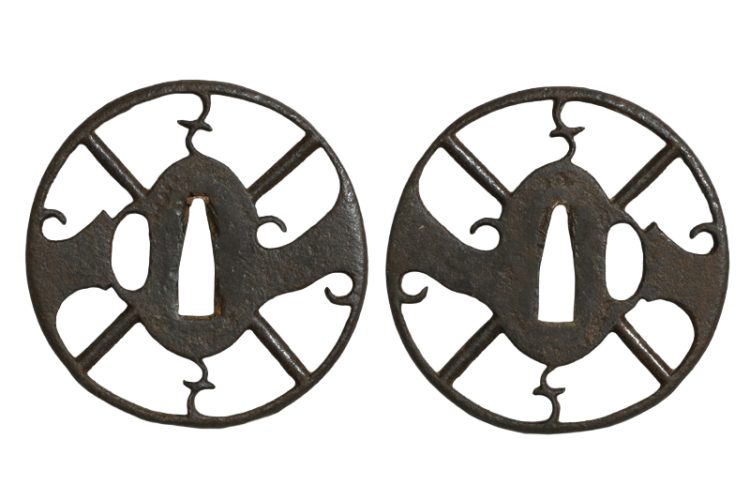
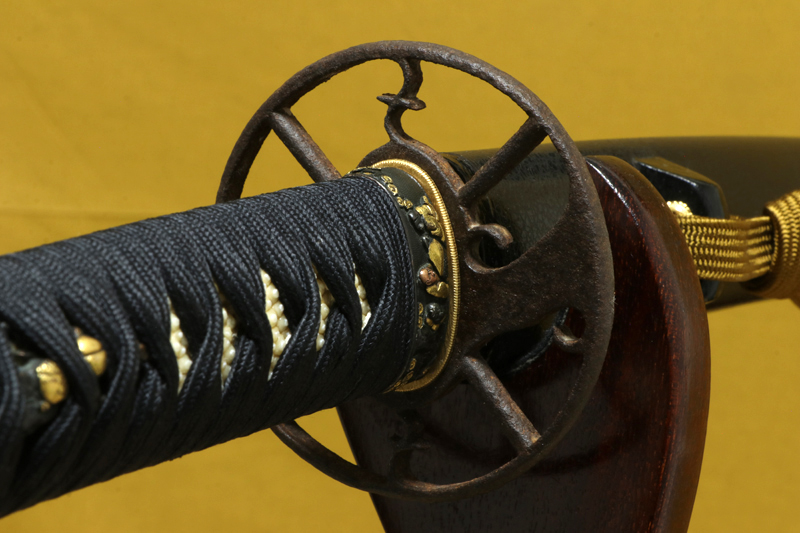
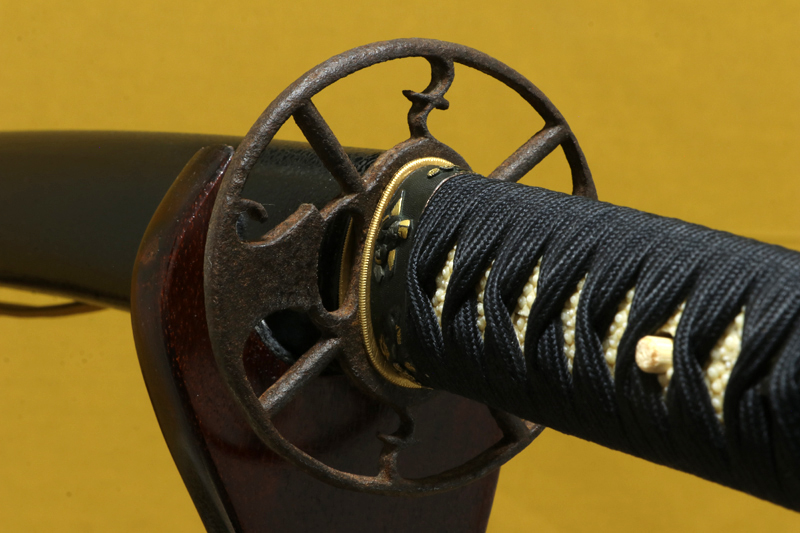
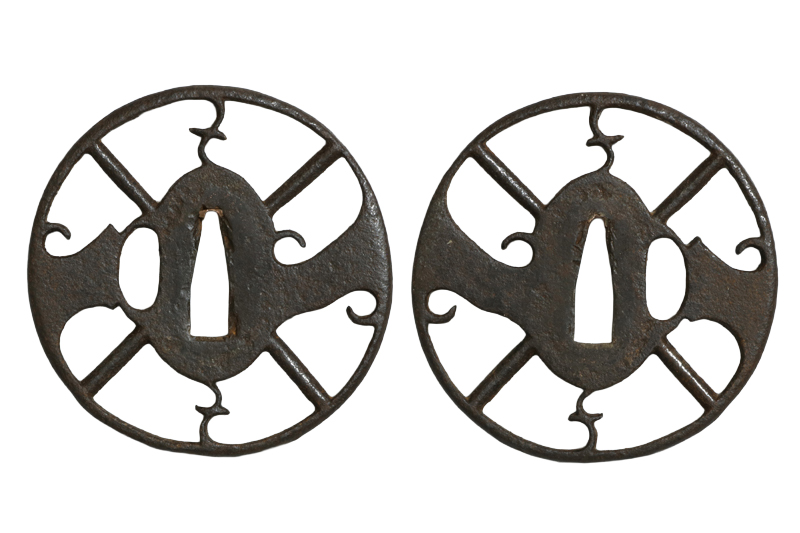
鍔(tsuba) :鉄地十字に雁金透かし。
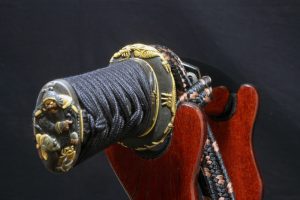
縁頭(fhchikashira):縁は赤銅魚子地唐人遊興の図、頭は水牛の角。
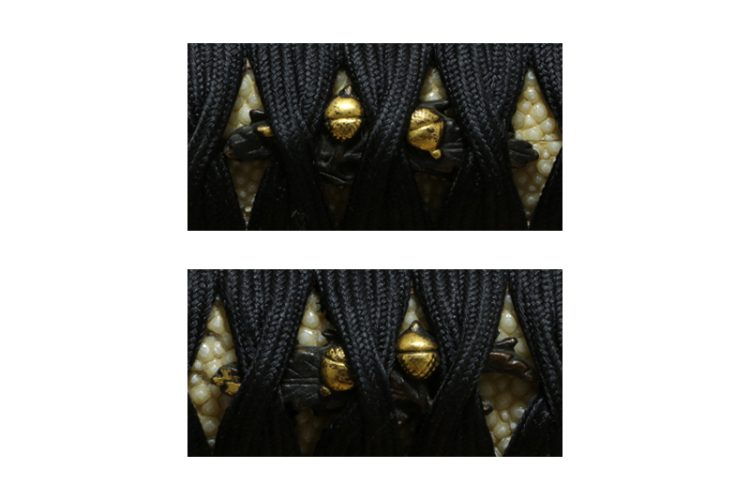
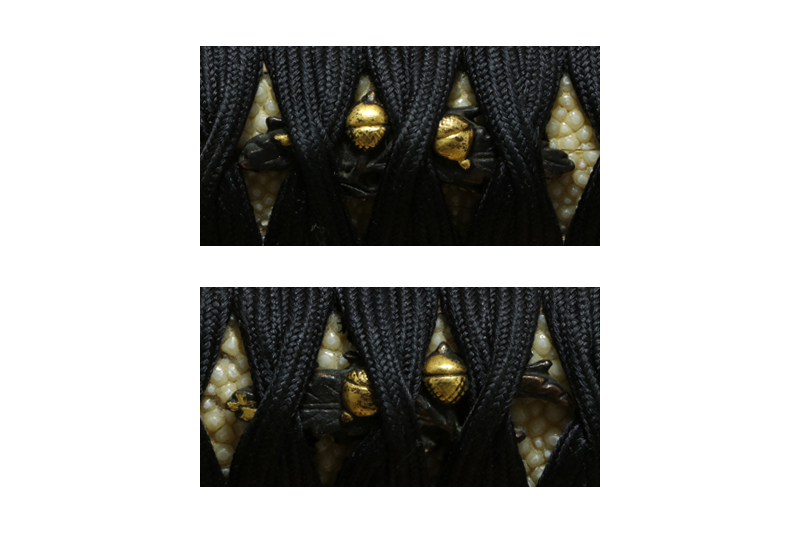
目貫(menuki) : 赤銅地団栗の図金色絵。
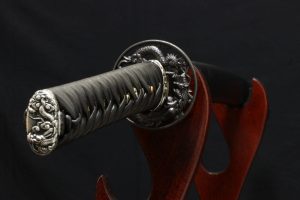
柄(tsuka) :鮫は親粒が付き巻鮫。柄巻は正絹黒の諸捻り巻、
鞘(saya) :黒石目。
「刀剣の状態 condition of blade」
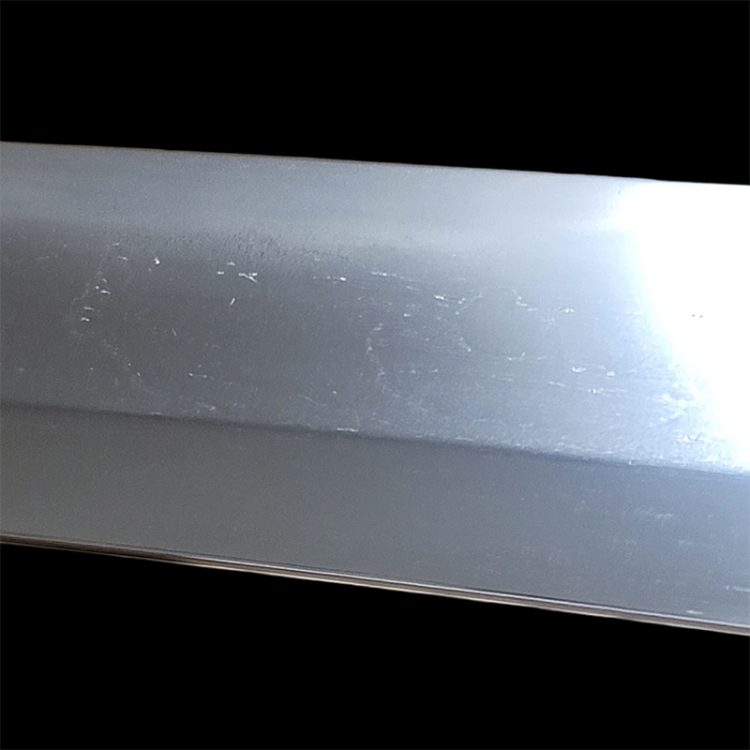
研:刀身は古研ぎながらも、地刃の状態は良好です。
傷:欠点に成るような傷は有りません。