
説明
「刀姿 sword figure」
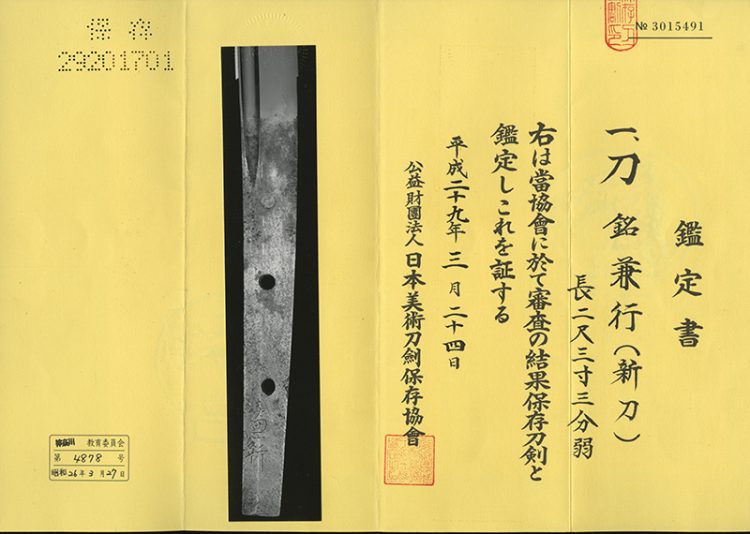
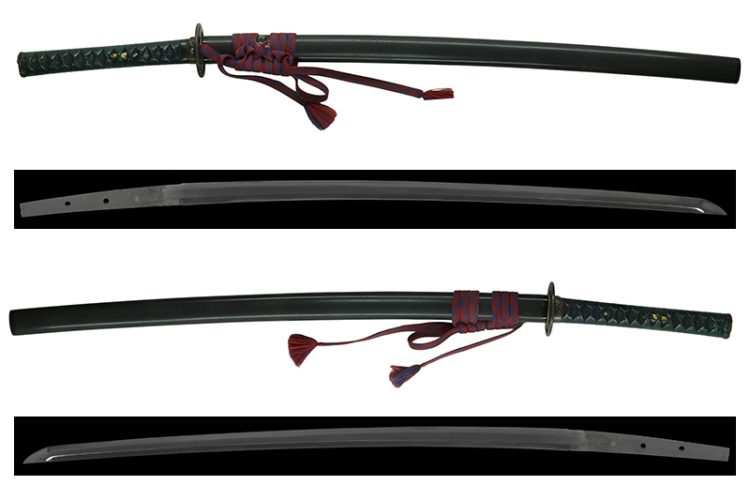
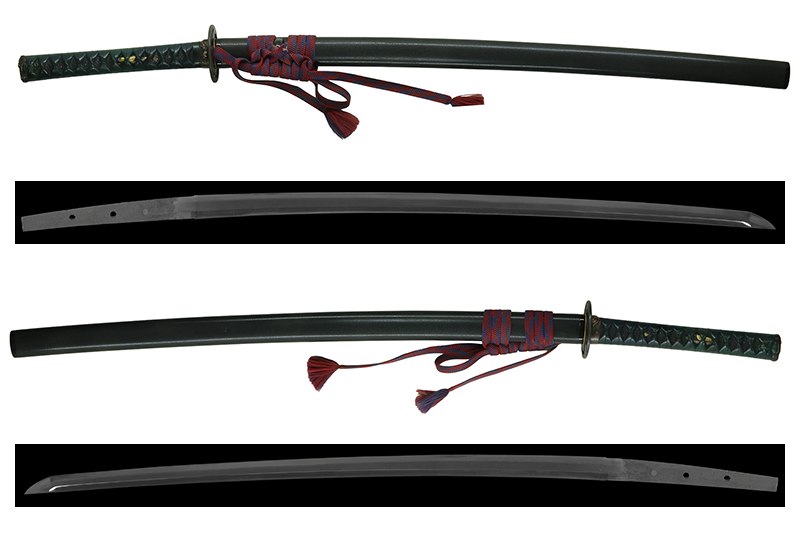
鎬造り庵棟、身幅重尋常、鳥居反り中鋒。茎は摺げられ、表は切鑢裏は鷹の羽鑢がかかる、茎尻は一文字に切られる。
Shinogi-zukuri with an iori-mune (peaked back), the blade has standard width and thickness, with torii-style curvature and a medium-sized kissaki.
The tang (nakago) has been shortened (suriage). The omote side bears kiri-yasuri (horizontal file marks), while the ura side shows taka-no-ha yasuri (hawk-feather file marks). The tang tip is cut straight in an ichimonji shape.
「彫物 carving」
彫物は片チリの棒樋が鎺下を通り、茎に搔き流しと成る。
The horimono consists of a katakiri-style bohi that runs beneath the habaki and terminates in a kaki-nagashi finish into the tang.
「地鉄 jigane」
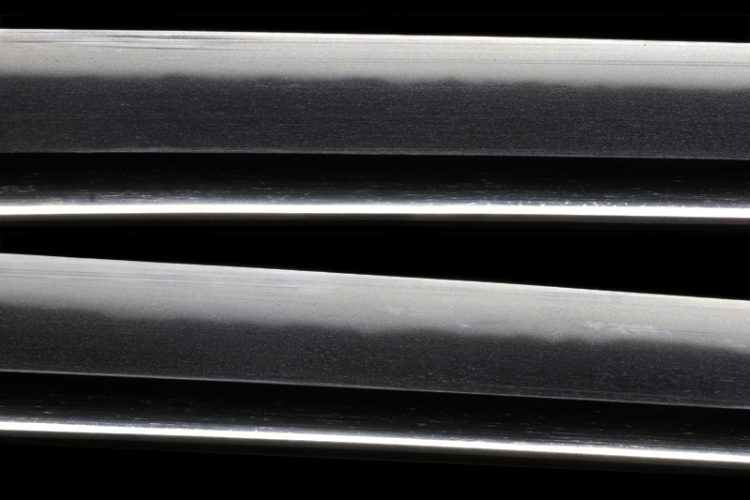
地鉄は、板目肌が刃縁付近で流れ柾と成り、地沸付く。
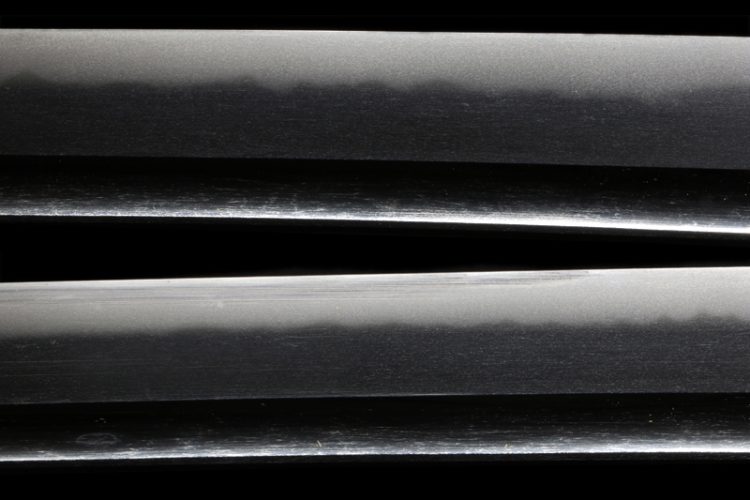
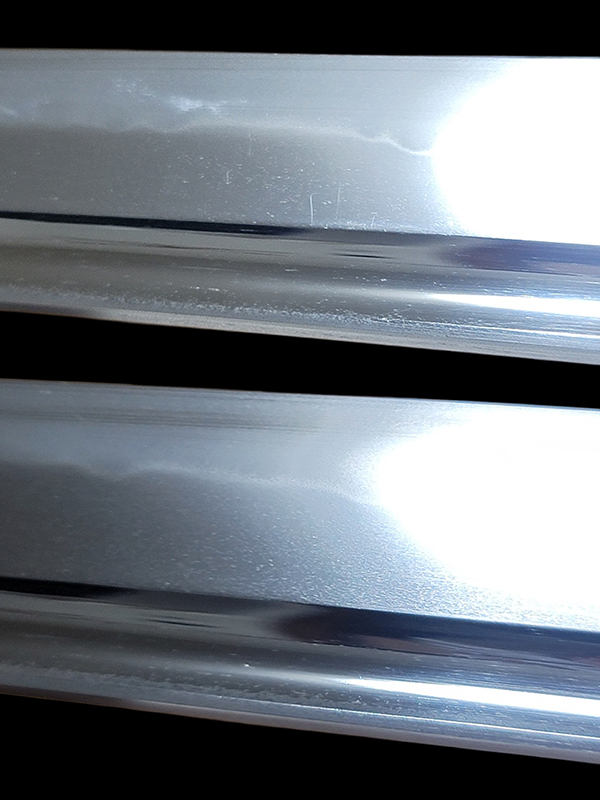
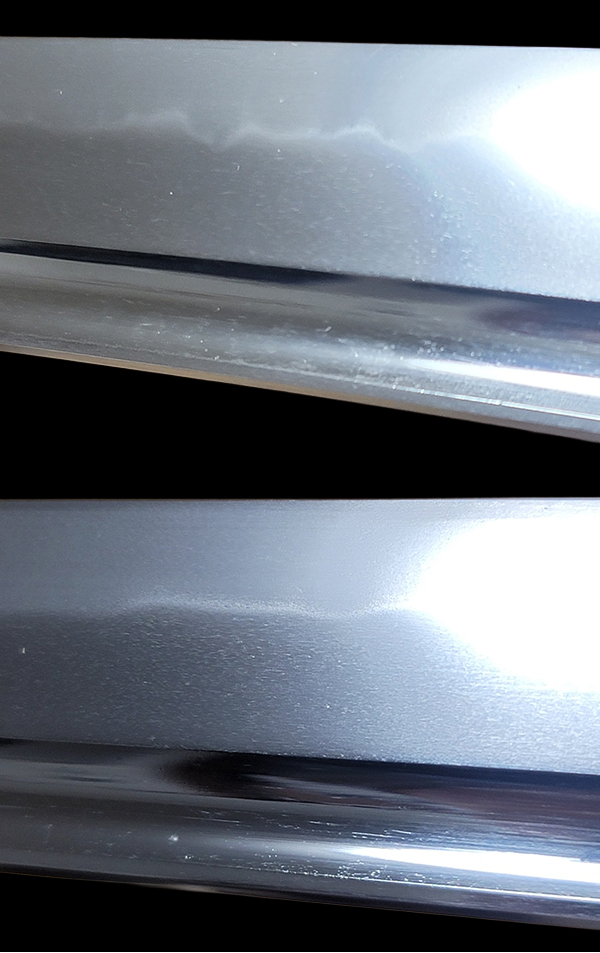
The jigane (surface steel) shows an itame-hada that flows toward the area near the hamon and becomes masame-like, with ji-nie (fine crystalline particles) present.
「刃紋 hamon」
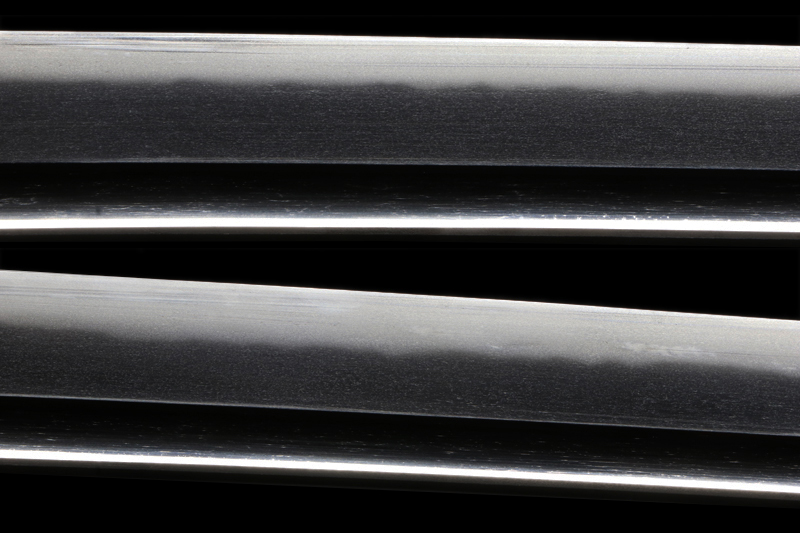
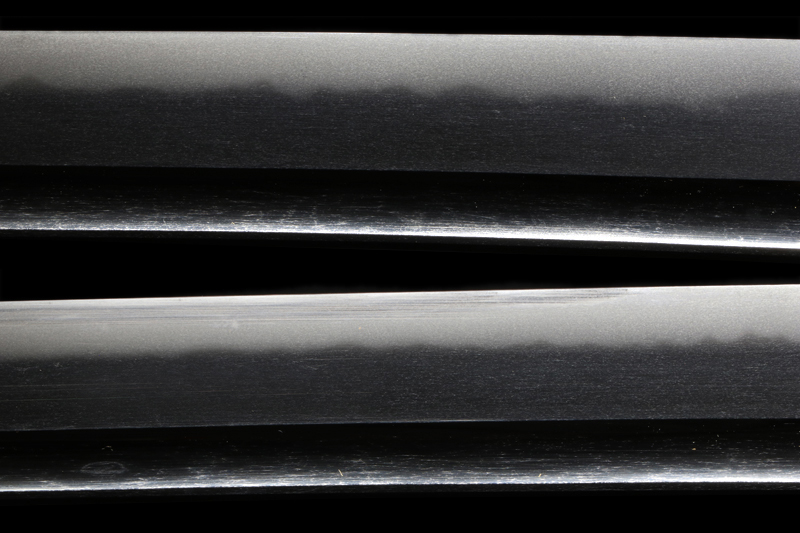
刃紋は互の目、尖り刃を交え、足入る。刃中は葉が入り、金筋が働く。釯子は乱れ込み小丸に返る。
The hamon is gunome-midare mixed with pointed (togari) elements, with well-defined ashi extending into the blade. Within the hamon, yo (leaf-like activities) are present, and kinsuji are actively working.
The bōshi is midare-komi (irregular into the tip) and turns back in a ko-maru (small rounded) form.
「特徴 detailed」
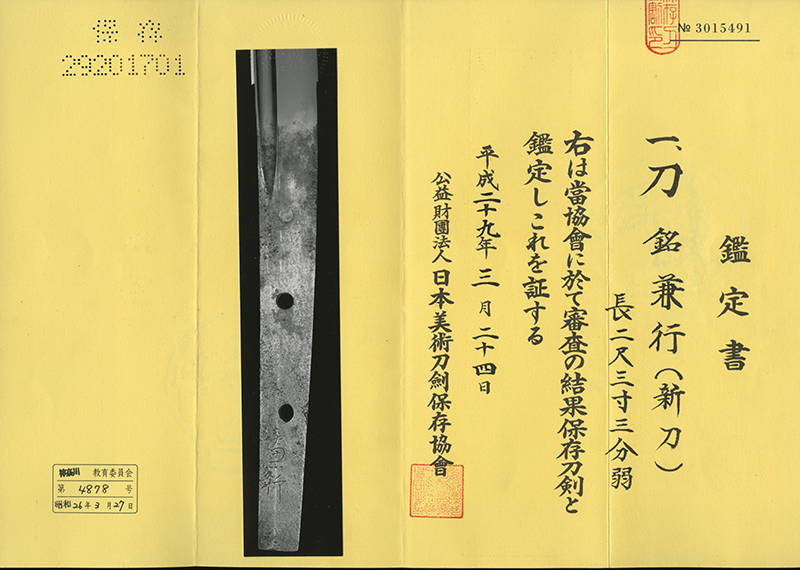
兼行(本名:甚助)は、江戸時代初期・慶長頃の美濃関奈良派の刀工です。
奈良派は千手院を祖とする刀工集団で、代々奈良太郎兼常が棟梁を務めました。
本作は、動乱の時代である慶長期に戦闘用として製作された太刀です。慶長3年に豊臣秀吉が死去し、慶長5年には関ヶ原の戦い、慶長19年には大坂冬の陣、翌慶長20年には大坂夏の陣にて豊臣家が滅亡しました。
本刀は、まさに戦国時代終焉のこの激動期に作られ、これらの合戦を経たのち、平和な江戸時代に打刀として磨り揚げられたものと考えられます。
太刀であった証として、銘は履き表(差裏)に切られています。
刀身は古研ぎのため、ヒケや汚れが見られますが、地刃はよく確認できます。また、欠点となるような傷はございません。
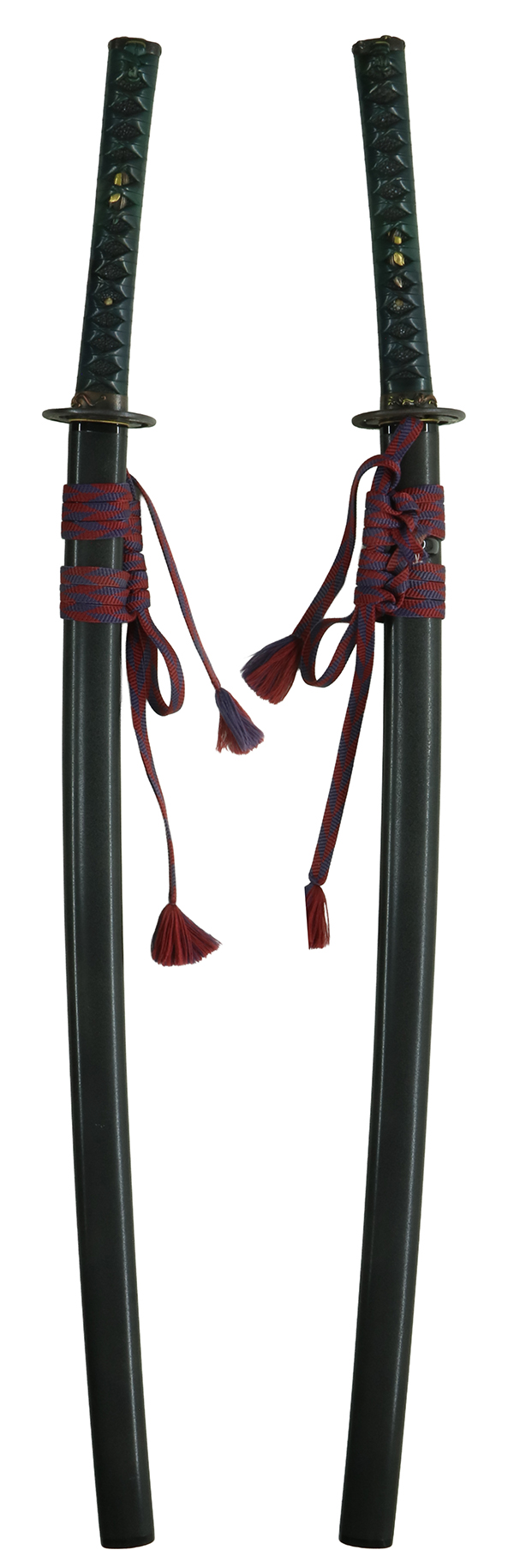
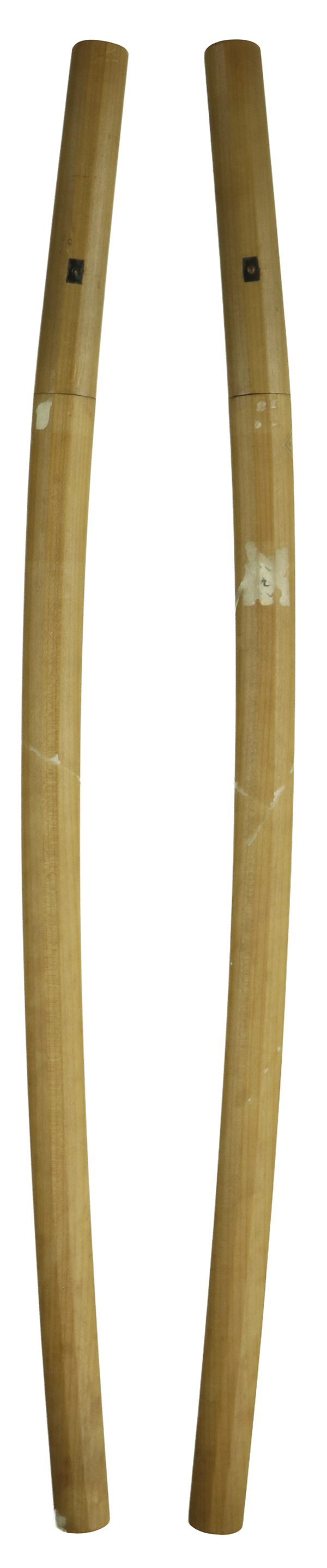
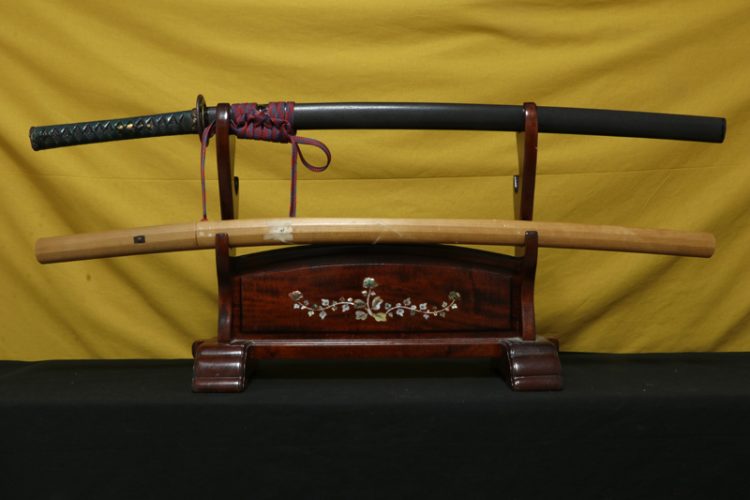
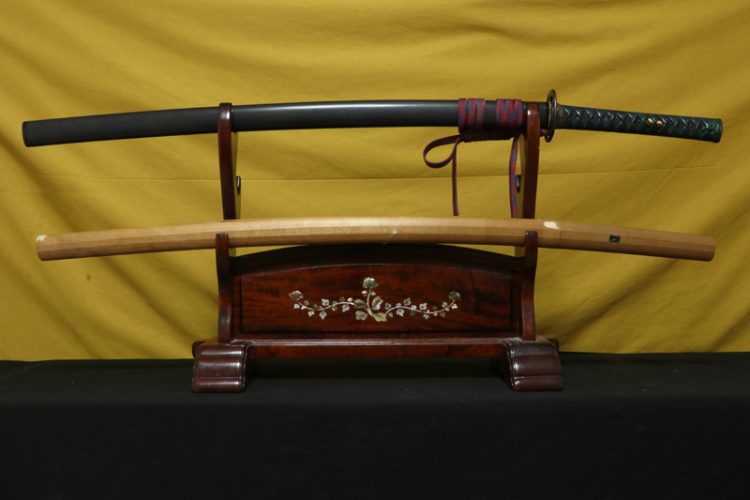
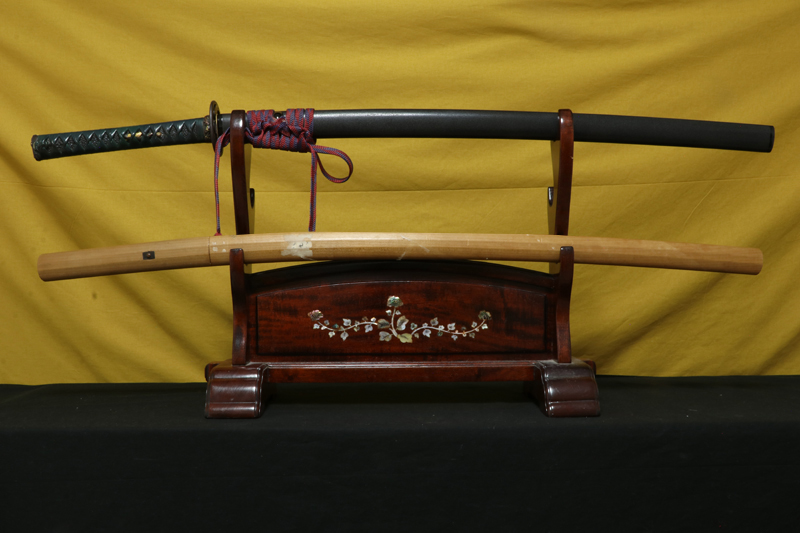
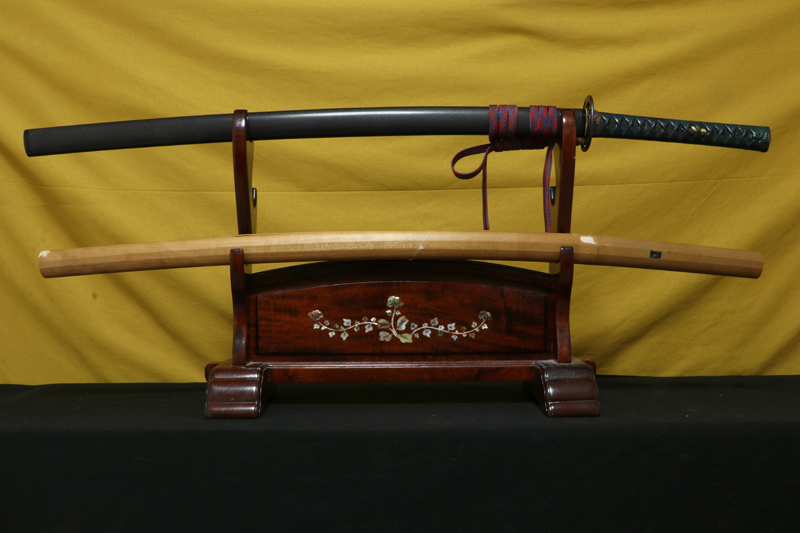
拵は、おそらく比較的近年に居合用として製作されたものと思われ、コンディションは良好です。
ぜひ、戦国時代の実戦を経た太刀で居合を修行してみてください。きっと格別な気分を味わっていただけることでしょう。
Kaneyuki (real name: Jinsuke) was a swordsmith of the Nara school of Mino Seki, active around the Keicho era in the early Edo period.
The Nara school was a group of swordsmiths tracing its origins to the Senjuin tradition, with Nara Taro Kanetsune serving as the head of the school generation after generation.
This piece is a tachi that was produced for combat use during the turbulent Keichō period. In Keicho 3 (1598), Toyotomi Hideyoshi died; in Keichō 5 (1600), the Battle of Sekigahara took place; in Keicho 19 (1614), the Winter Siege of Osaka occurred; and in the following year, Keichō 20 (1615), the Toyotomi clan was destroyed in the Summer Siege of Osaka.
This sword was made during this very period marking the end of the Sengoku era, and after likely having seen these great battles, it was later shortened (suriage) and remounted as an uchigatana in the peaceful Edo period.
As evidence that it was originally a tachi, the signature is engraved on the haki-omote (sashi-ura) side.
Due to its old polish, the blade shows some surface scratches (hike) and minor staining; however, the jihada and hamon are clearly visible. There are no flaws that would be considered fatal defects.
The koshirae was most likely made relatively recently for Iaido practice, and its condition is good.
We invite you to practice Iaido with this tachi that once saw real combat during the Sengoku period. It will surely give you a truly exceptional feeling.
「拵 Koshirae」
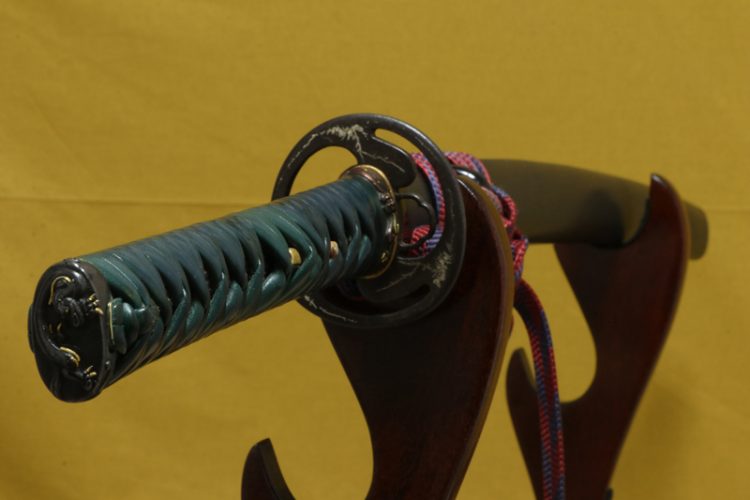
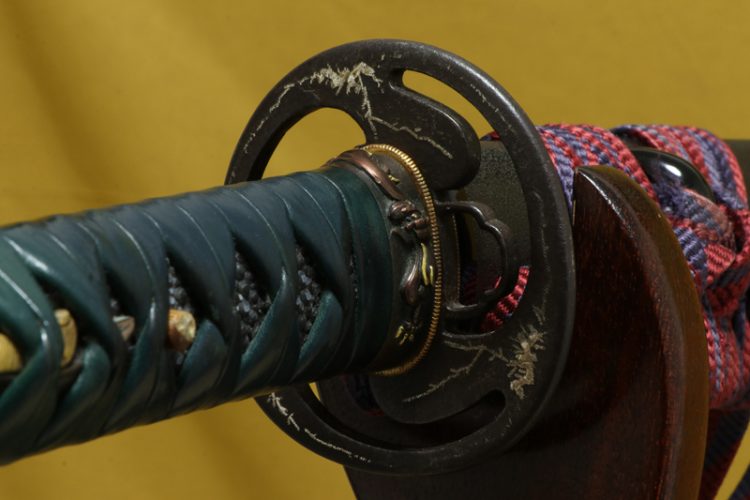
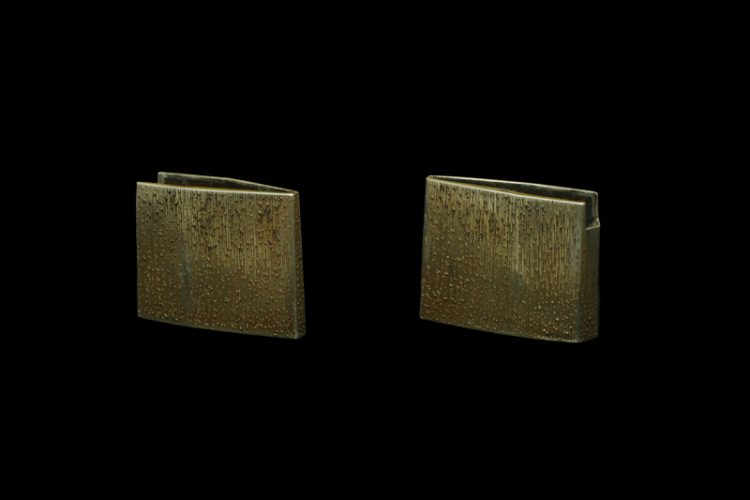
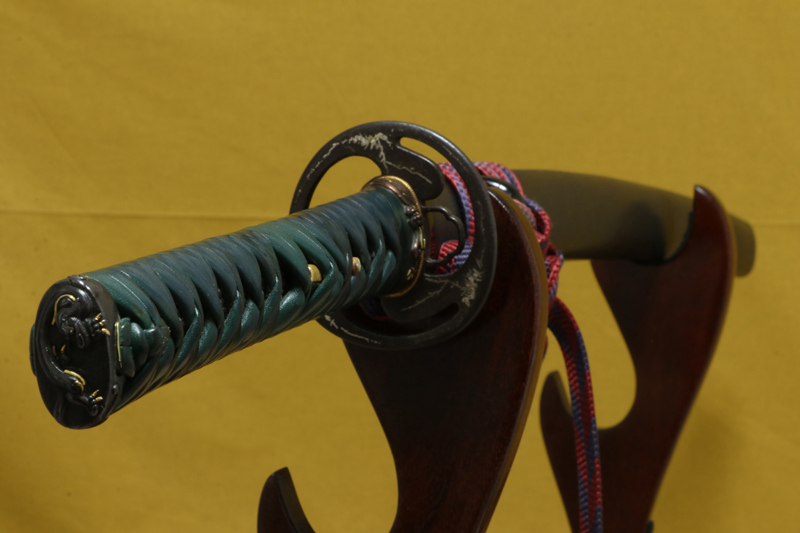
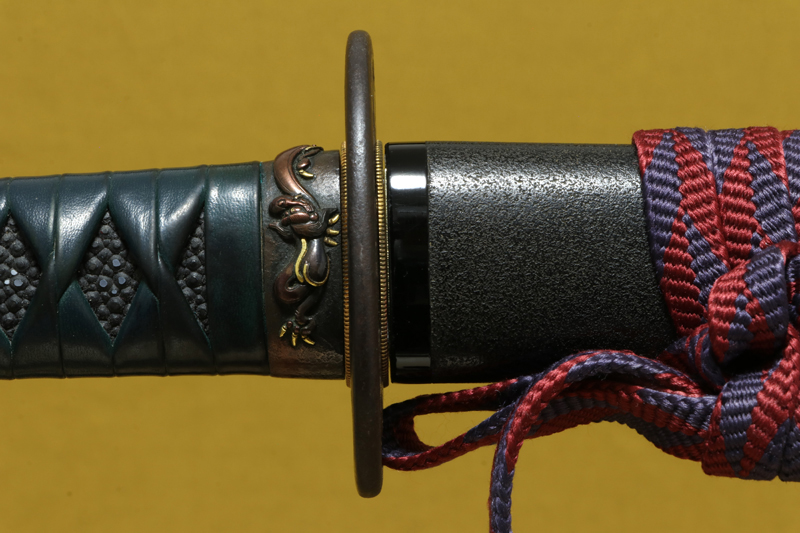
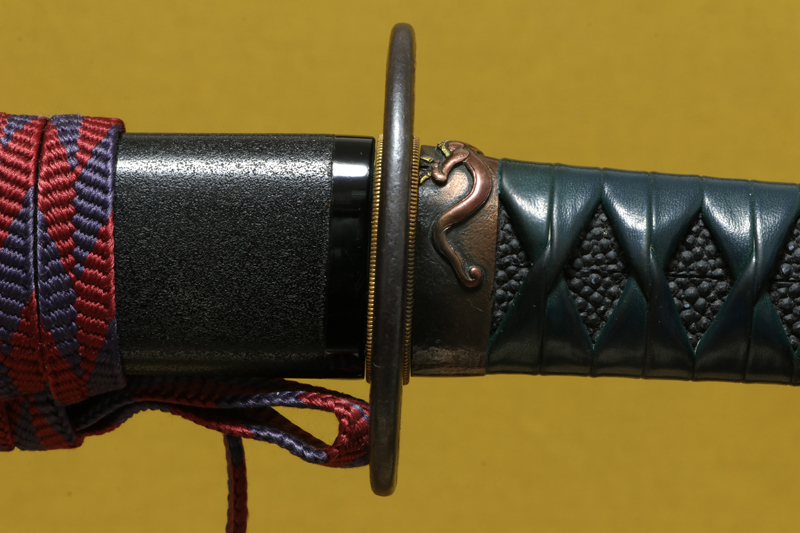
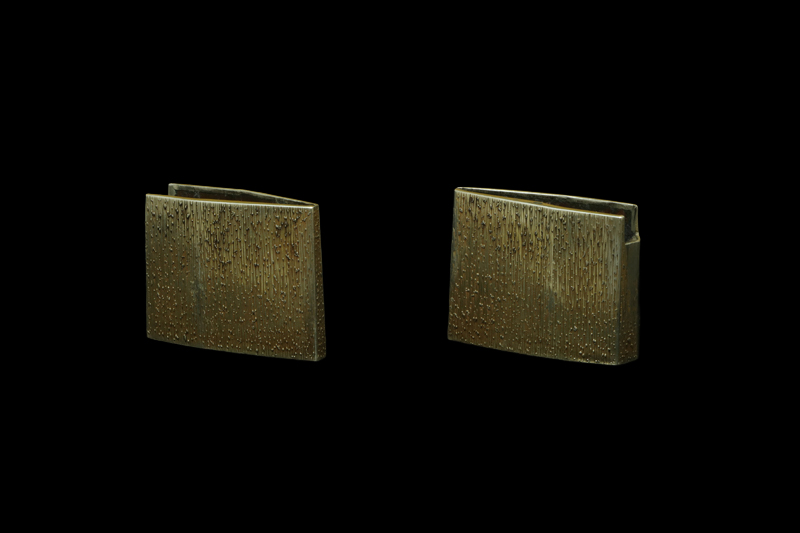
ハバキ(habaki) :素銅地銀着一重の腰祐乗。A Koshiyujo-style single-layer habaki of solid copper with silver cladding.
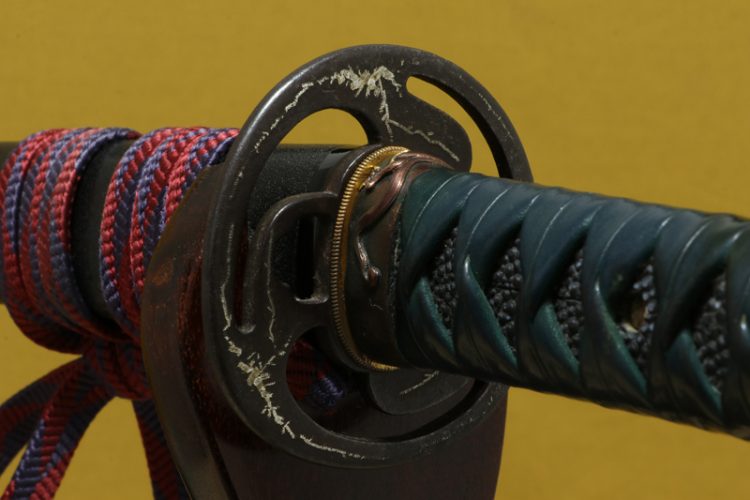
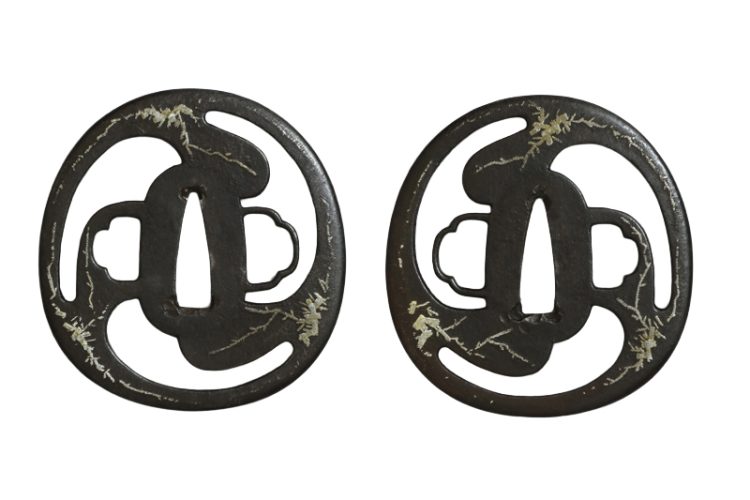
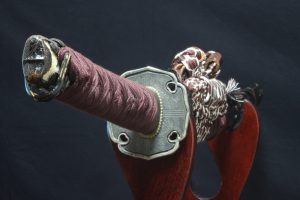
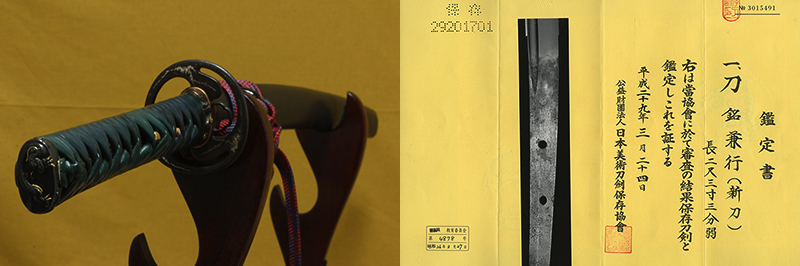
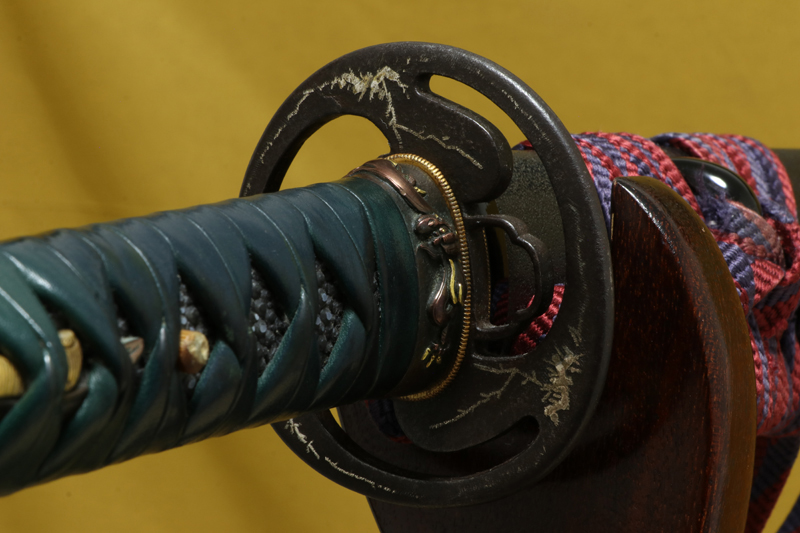
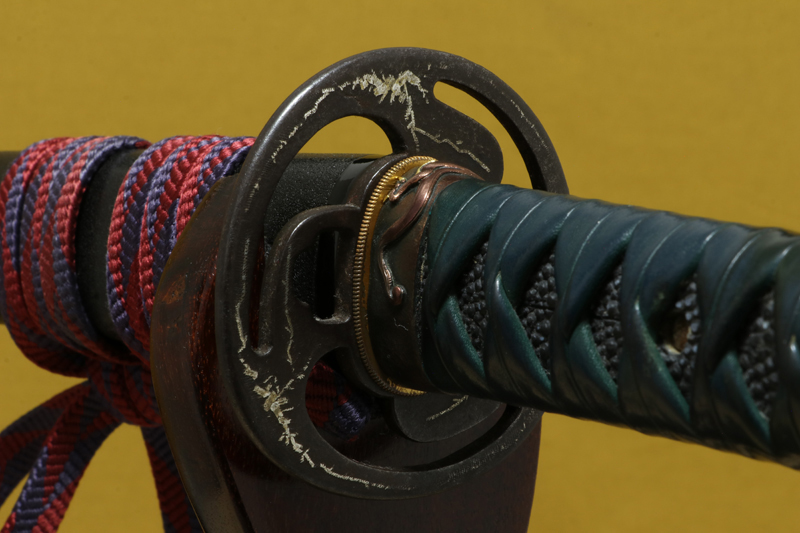
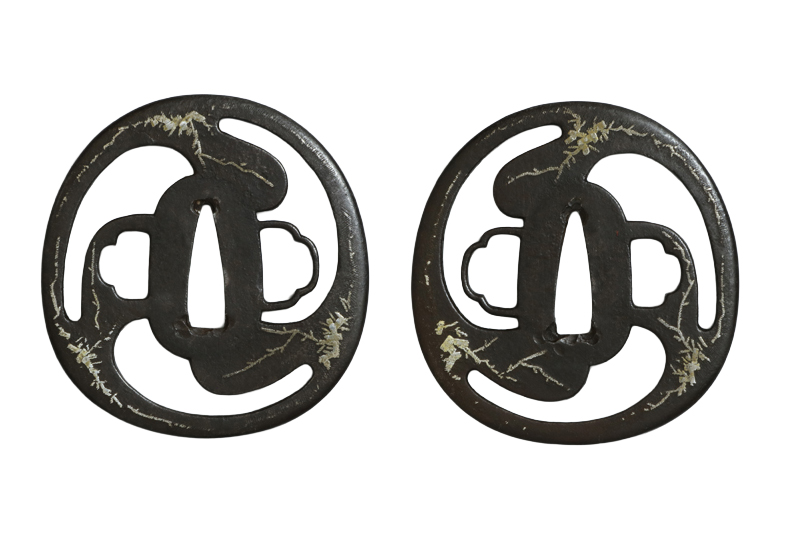
鍔(tsuba) :鉄地肥後松樹図。An iron plate tsuba featuring a pine tree motif in the Higo style.
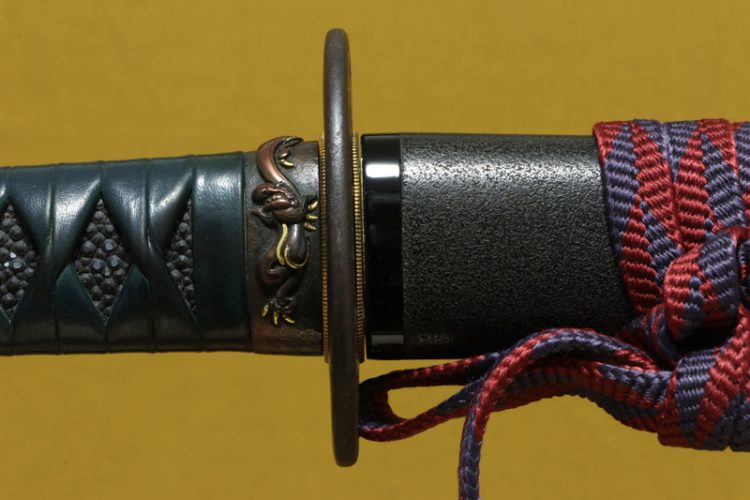
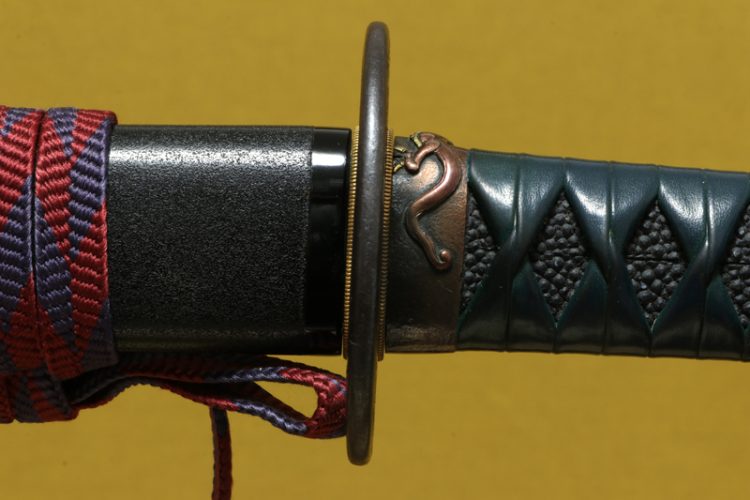
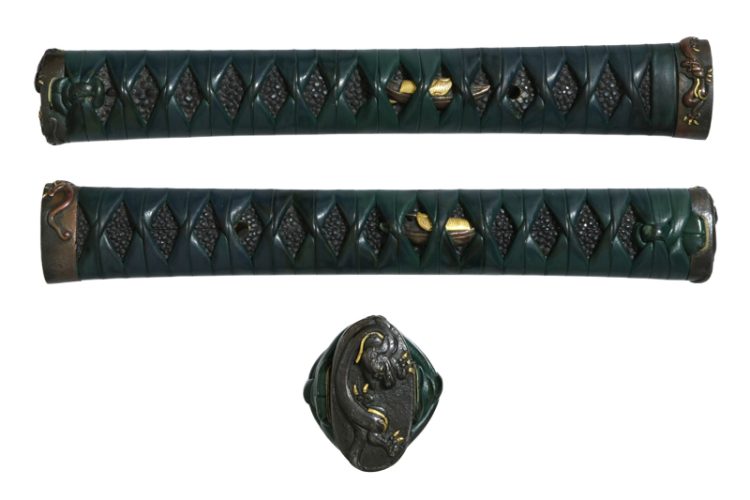
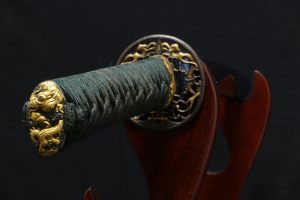
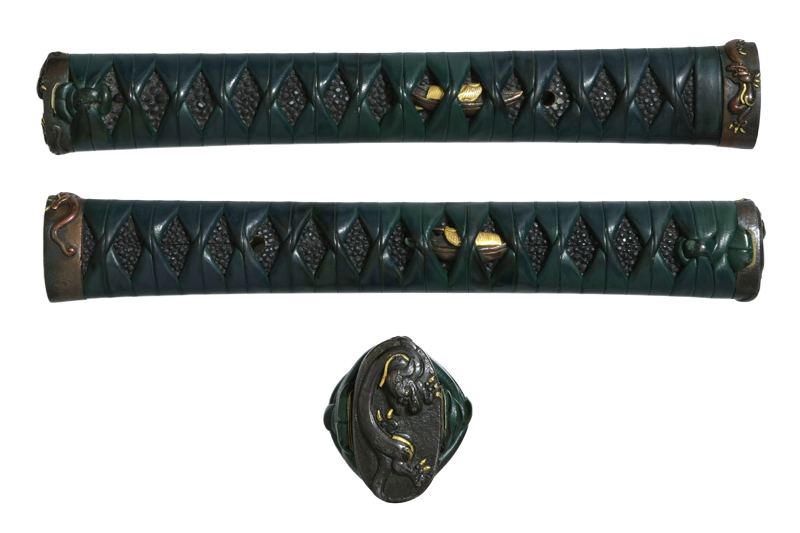
縁頭(fhchikashira):赤銅魚子地龍の図。A dragon design on a shakudo nanako ground.
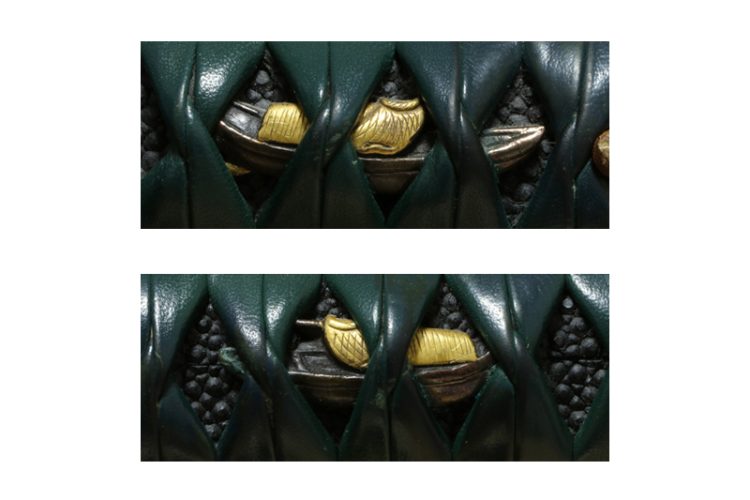
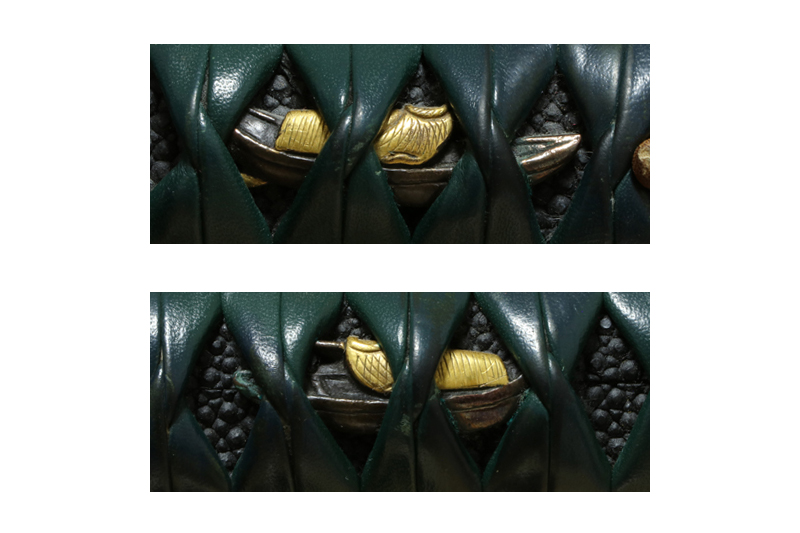
目貫(menuki) : 赤銅地三十石船の図。A design of a sanjukkoku-bune boat on a shakudo ground.
柄(tsuka) :鮫は親粒が付き黒染の巻鮫。柄巻は牛表革の濃緑色。The samegawa (rayskin) is makizame style with prominent oyatsubu (large central nodes), dyed black.The tsuka-maki is wrapped in dark green cowhide leather.
鞘(saya) :黒呂。Glossy black lacquer finish.
「刀剣の状態 condition of blade」
研:刀身は古研ぎのため、ヒケや汚れが見られますが、地刃はよく見えます。
傷:欠点に成るような傷は有りません。