
説明
「刀姿 sword figure」
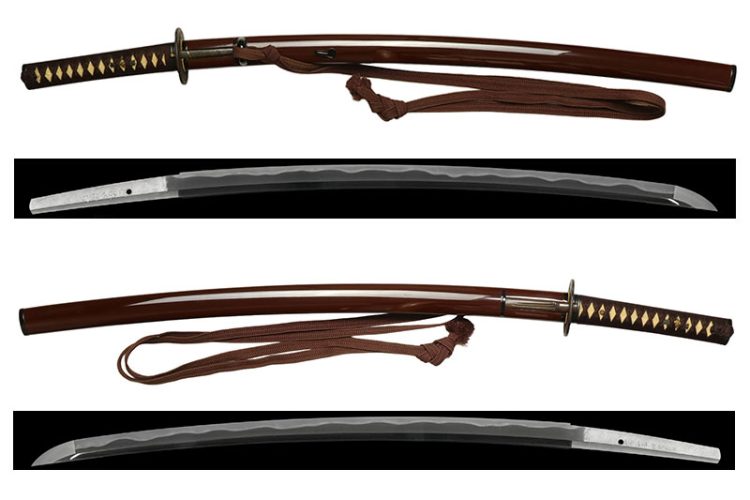
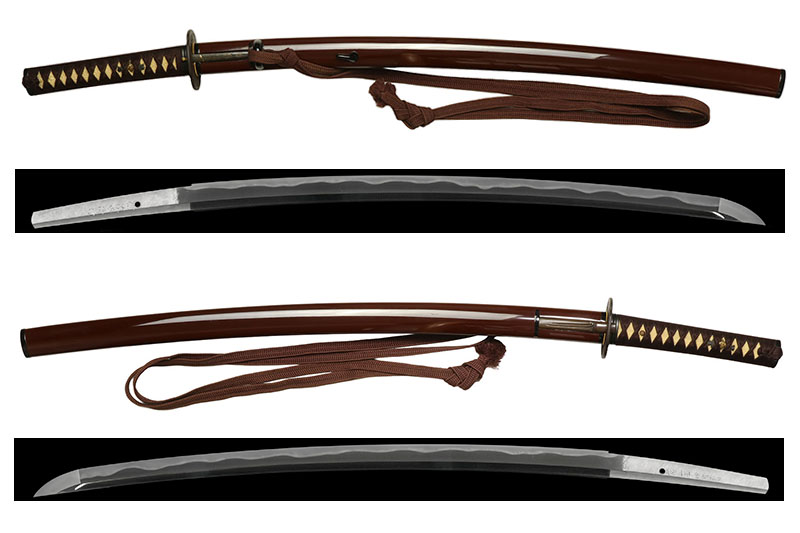
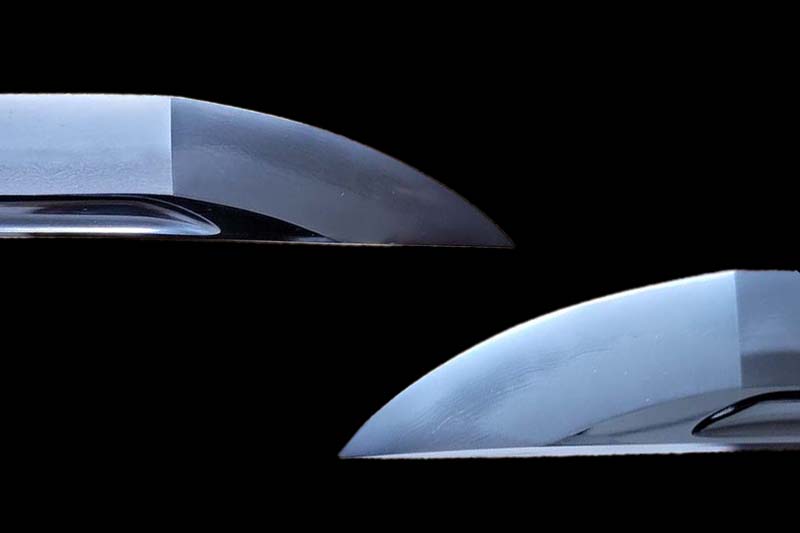
鎬造り庵棟、身幅太く重尋常、鳥居反り大鋒。茎は生で筋違い鑢がかかり、茎尻は栗尻。
The blade is of shinogi-zukuri construction with an iori-mune.
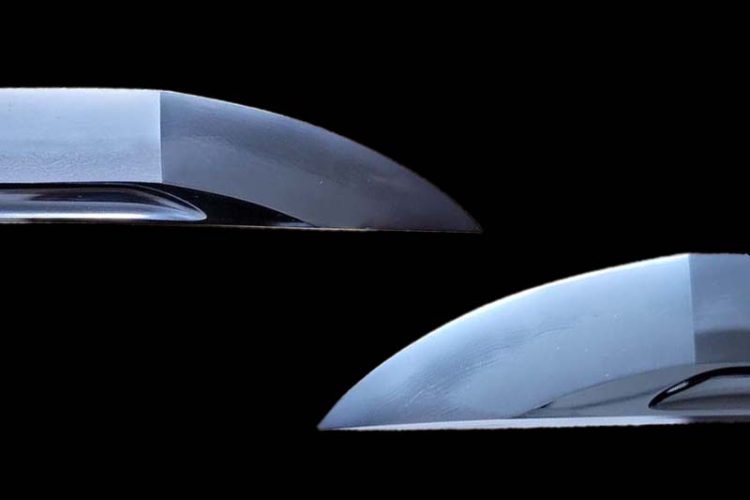
It has a wide mihaba with standard kasane, a torii-zori curvature, and a large kissaki (ō-kissaki).
The nakago is ubu (original), finished with sujikai-yasuri file marks, and the nakago-jiri is kurijiri in form.
「地鉄 jigane」
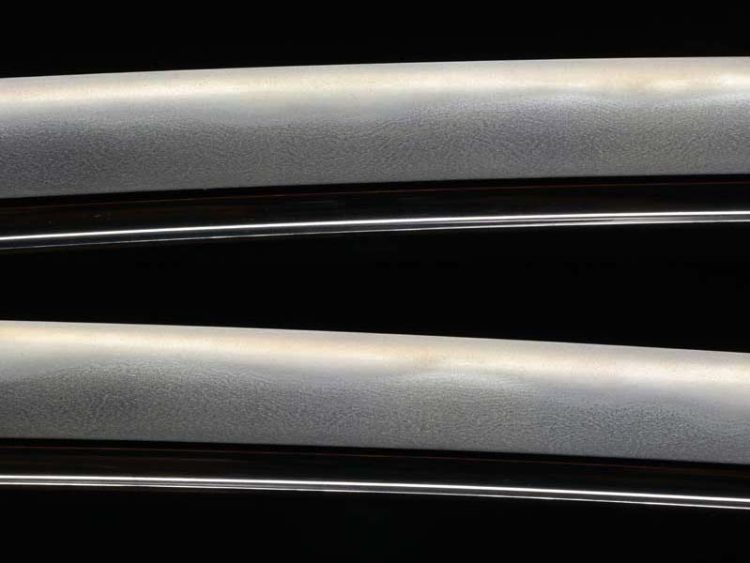
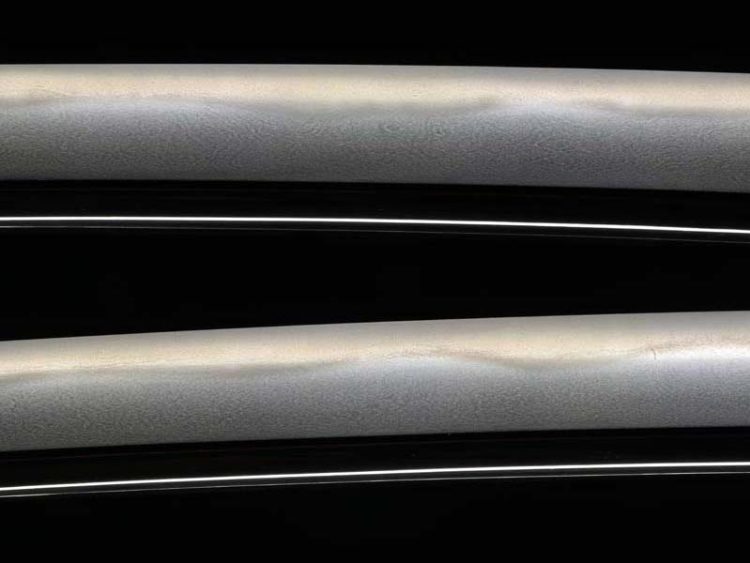
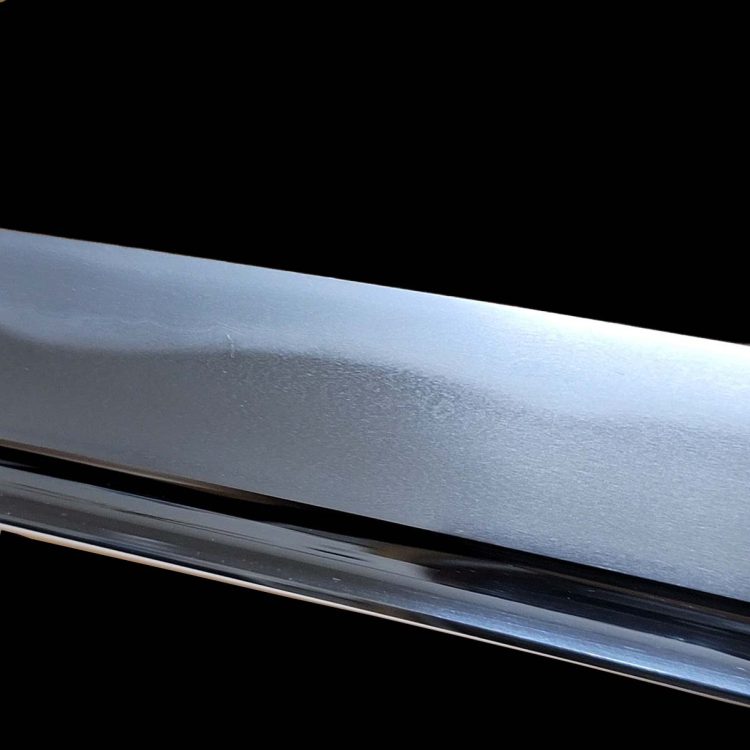
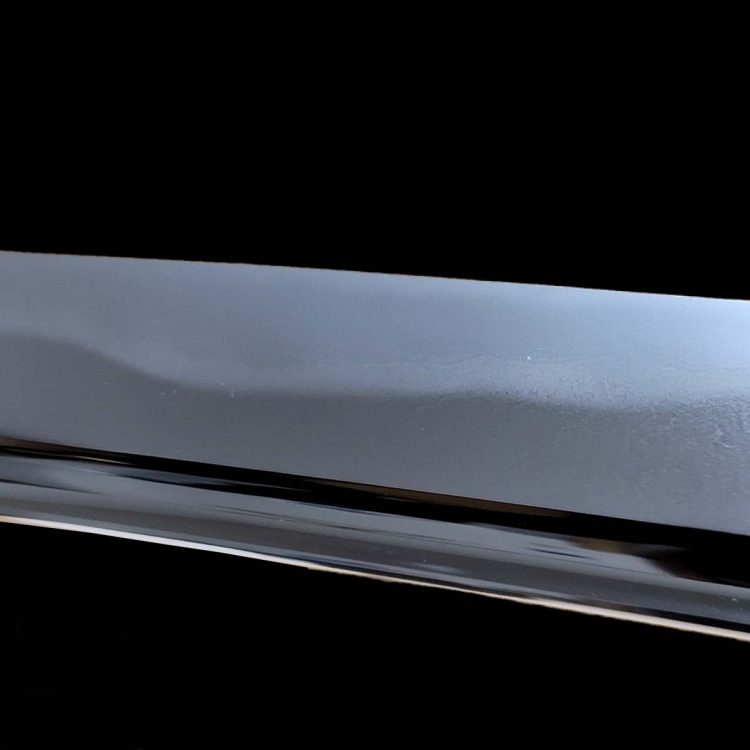
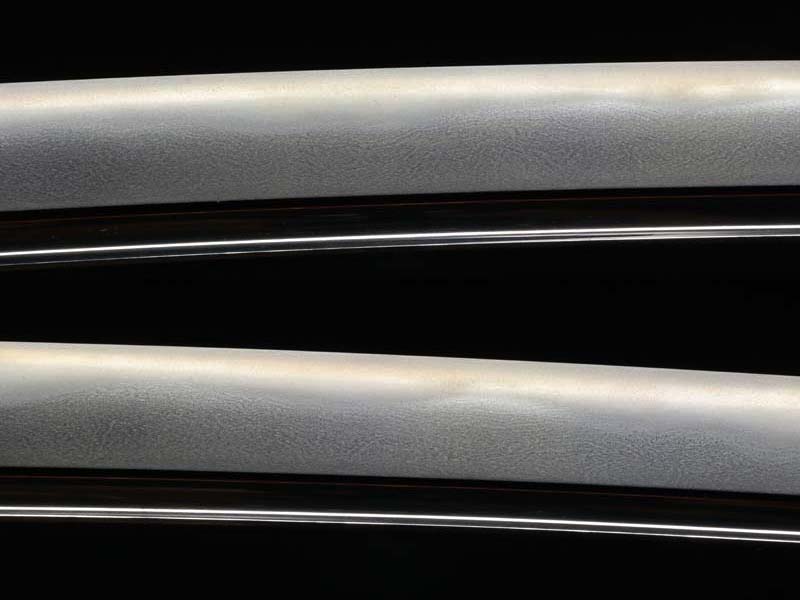
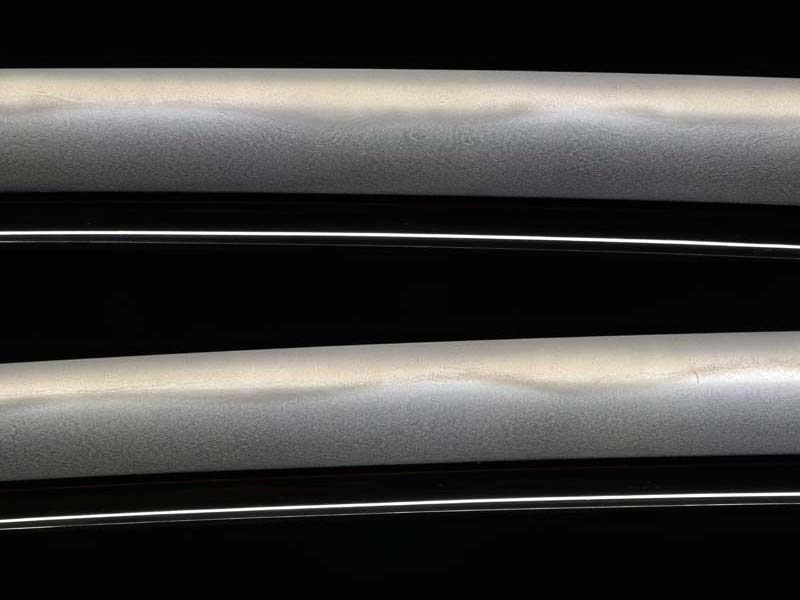
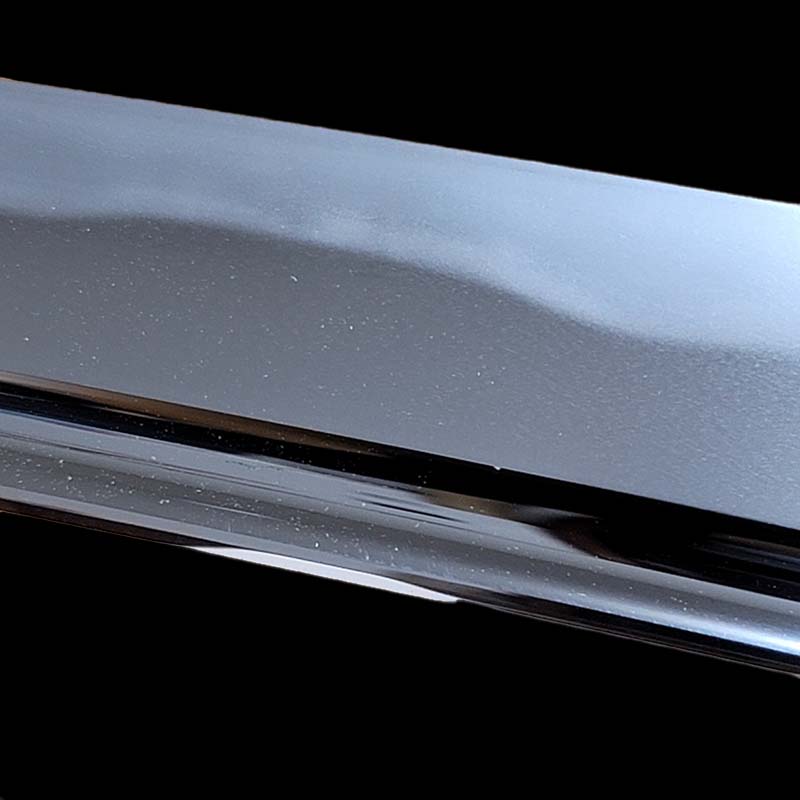
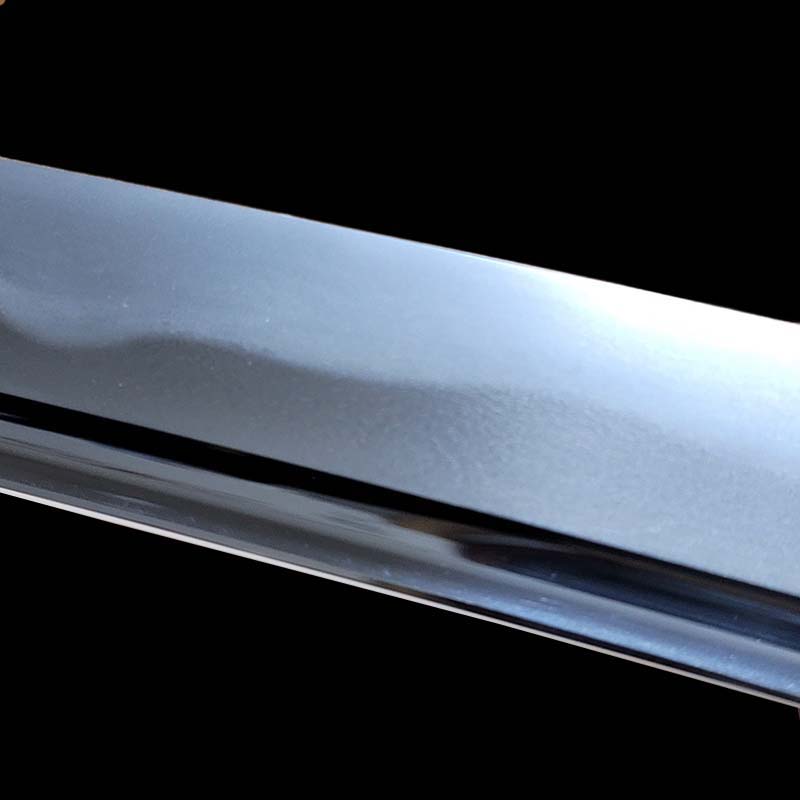
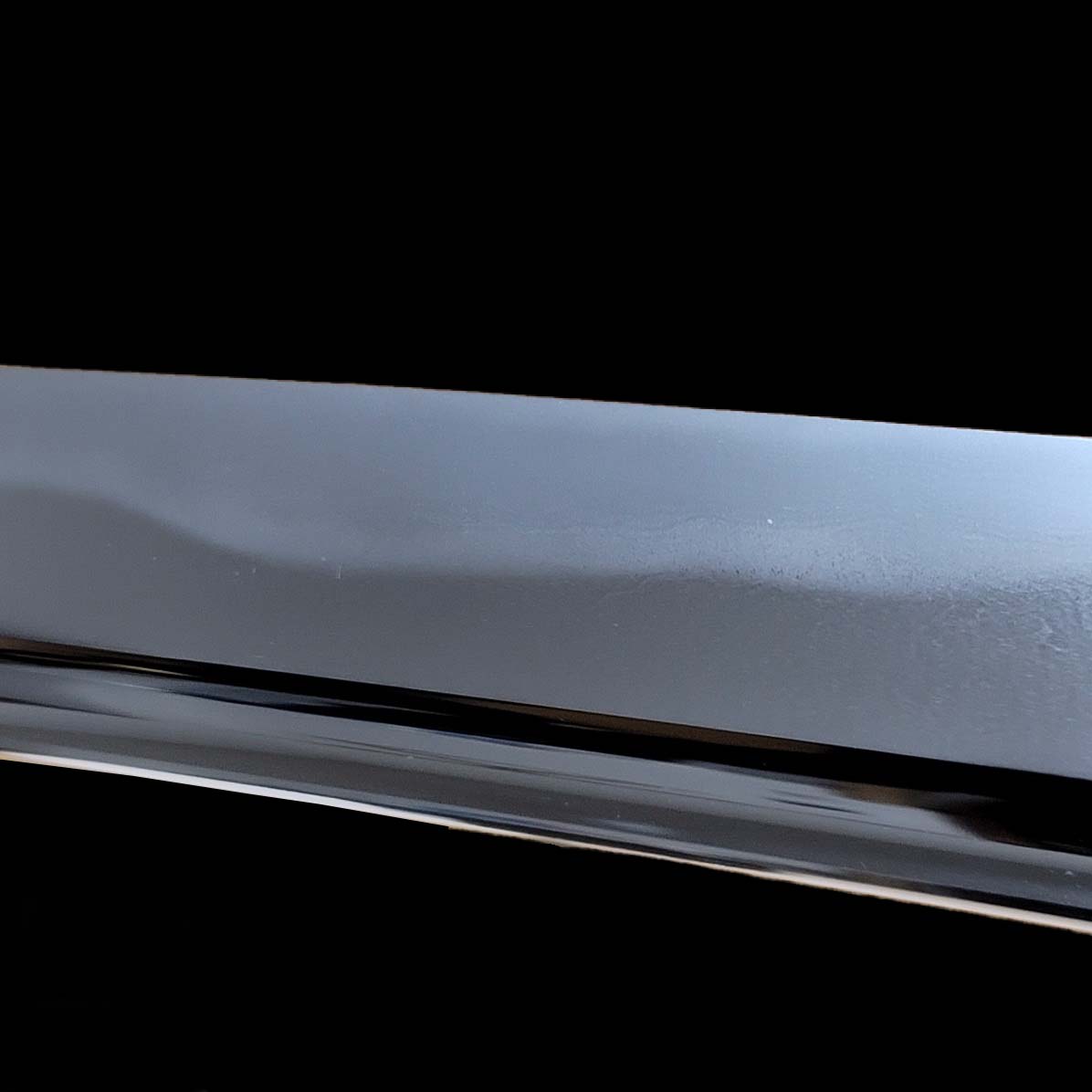
地鉄は小板目に杢目が交り良く詰み、地沸微塵に厚くつき、細かな地景顕われ、淡く沸映り立つ。
The jigane is a well-packed ko-itame mixed with mokume, tightly forged, with fine and abundant ji-nie.
Subtle chikei appear throughout the steel, and a faint nie-utsuri is visible.
「刃紋 hamon」
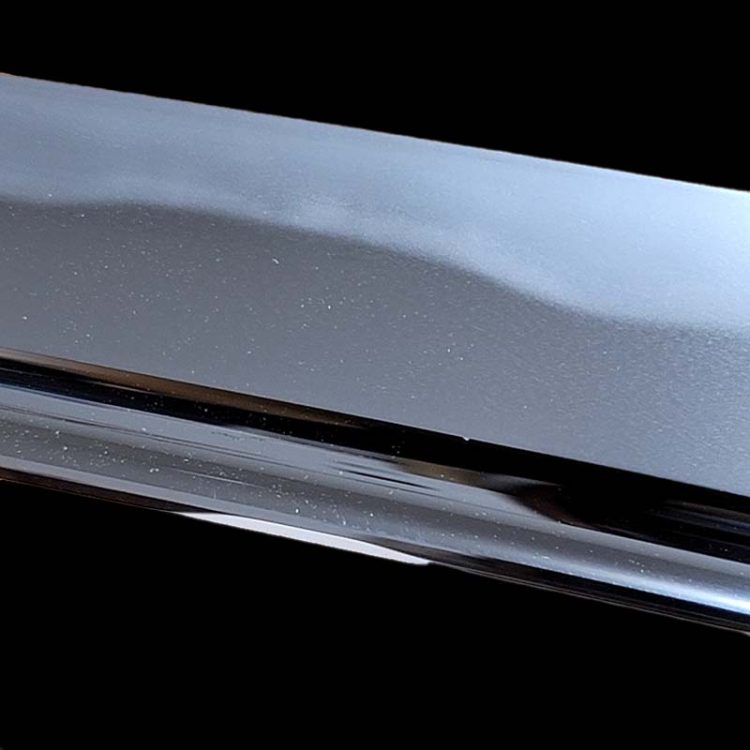
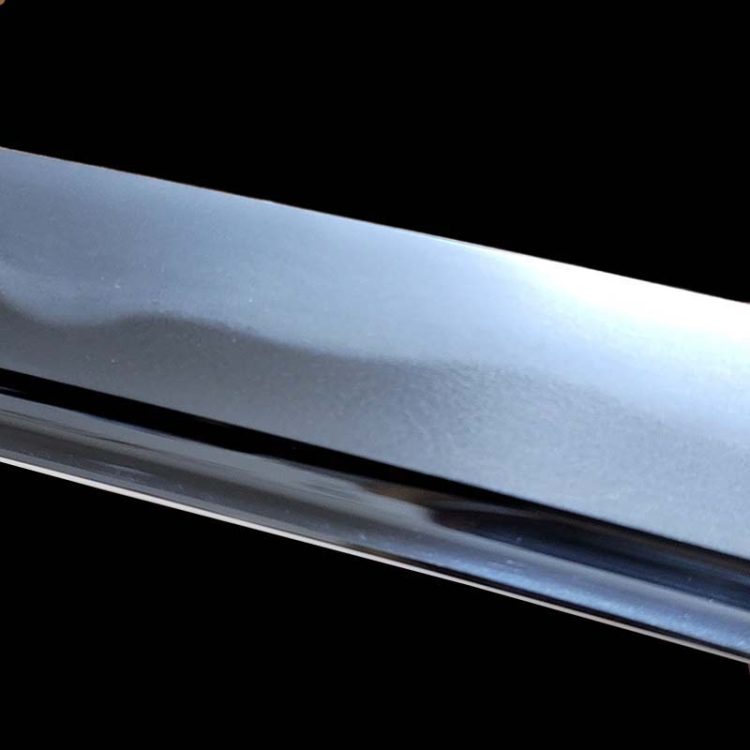
刃紋は湾れ互の目丁字、尖り刃を交じえ、匂い口深く明るく砂流し頻りにかかり、小沸よく付く。刃中は葉が入り、金筋が働く。釯子は乱れ込み小丸に返る。
The hamon is a notare-gunome chōji, mixed with pointed elements, featuring a deep and bright nioiguchi.
Sunagashi appear frequently, with ko-nie well formed.
Within the hamon, yō appear, and kinsuji are active.
The bōshi is midare-komi, turning back in a small round (komaru) form.
「特徴 detailed」
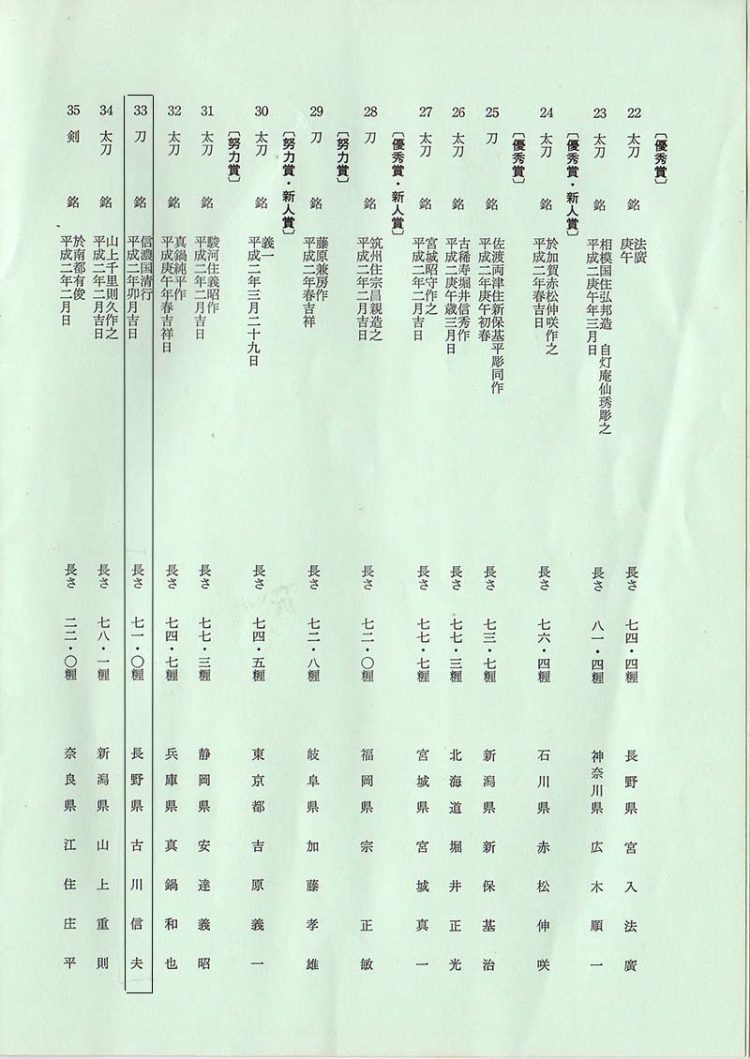
信濃国清行、本名は古川信夫、1948年(昭和23年)、長野市生まれ。
東京の理工系大学在学中、信濃美術館で開催された名刀展にて日本刀に魅せられ、刀工を志します。
大学卒業後、坂城町の宮入清平刀匠に入門。1981年(昭和56年)、長野市下八町前山に鍛刀場を構え、独立する。
日本美術刀剣保存協会主催の新作名刀展において数々の賞を受賞し、2009年(平成21年)には最高賞である協会会長賞を受賞。同年、無鑑査刀匠となる。
しかし2015年(平成27年)、67歳の若さで惜しまれつつ逝去されました。
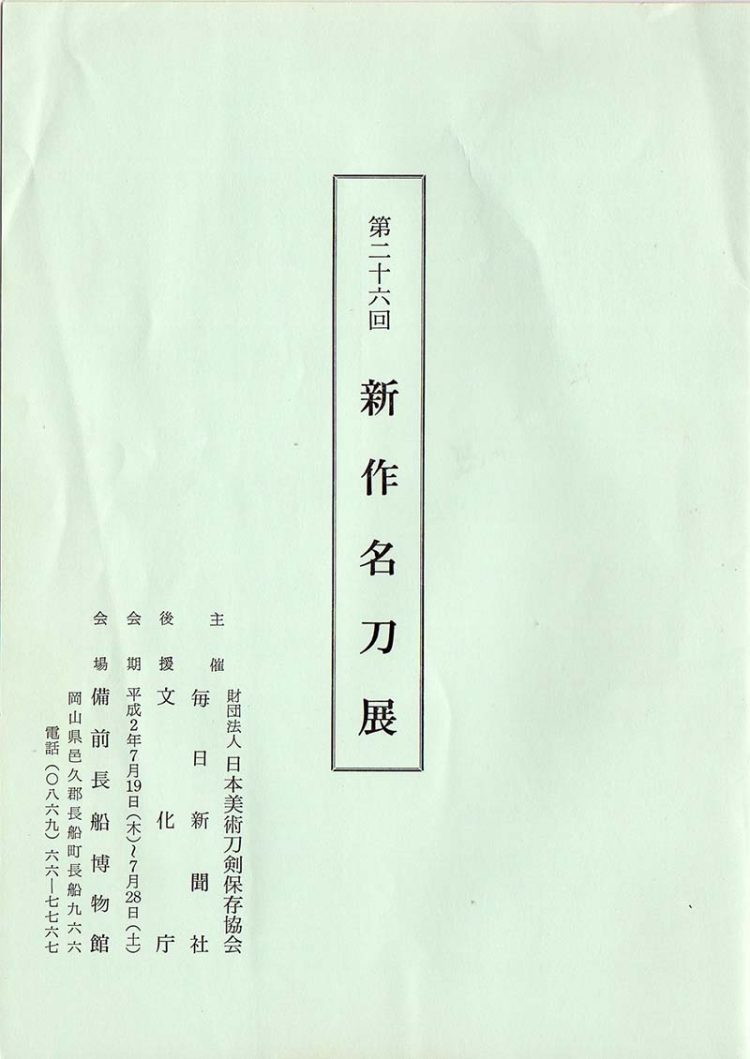
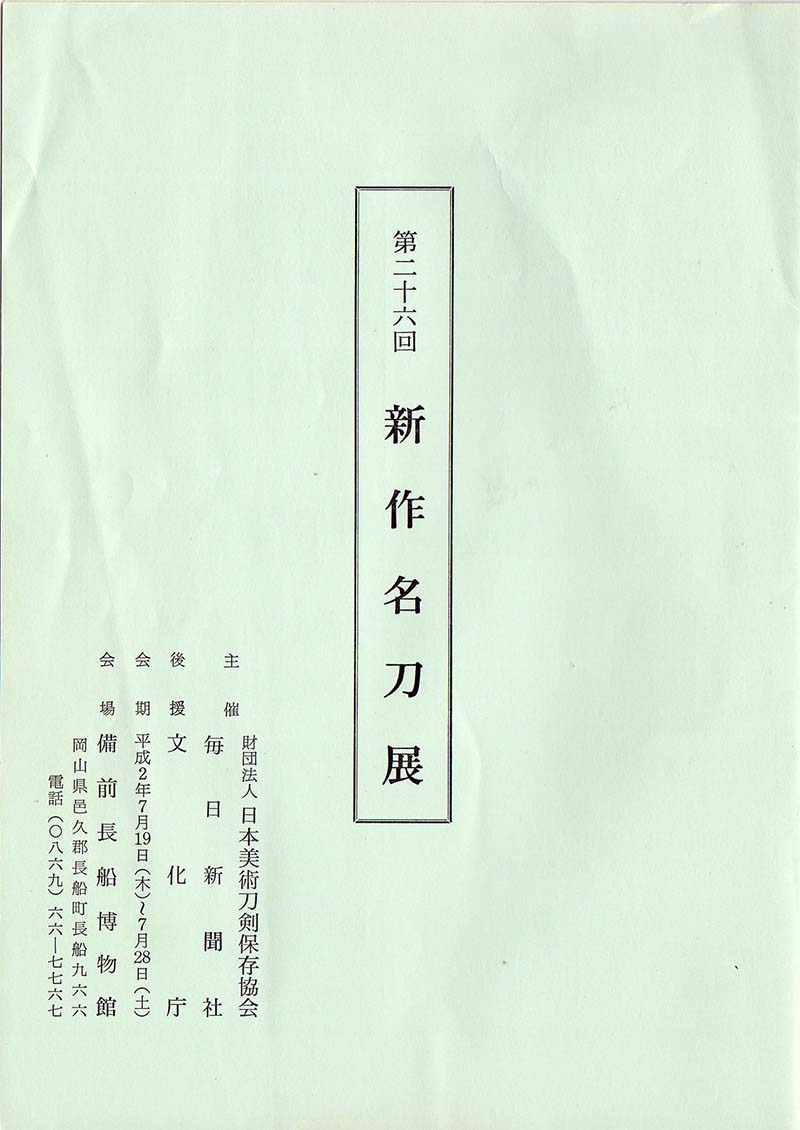
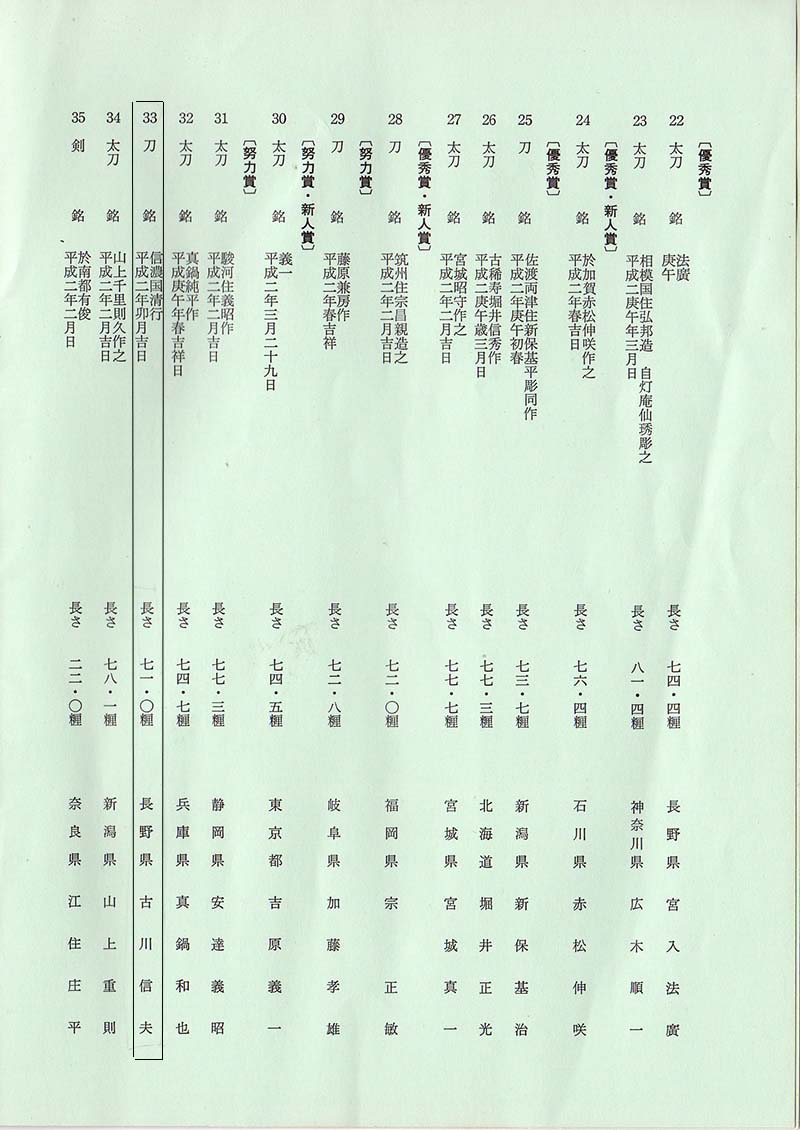
本作は、平成2年新作名刀展において努力賞を受賞した刀です。
豪壮で格調高い姿の刀身に、精緻な地鉄を鍛え、働きに富んだ互の目丁子の刃文を焼いた、まことに優れた一振りです。
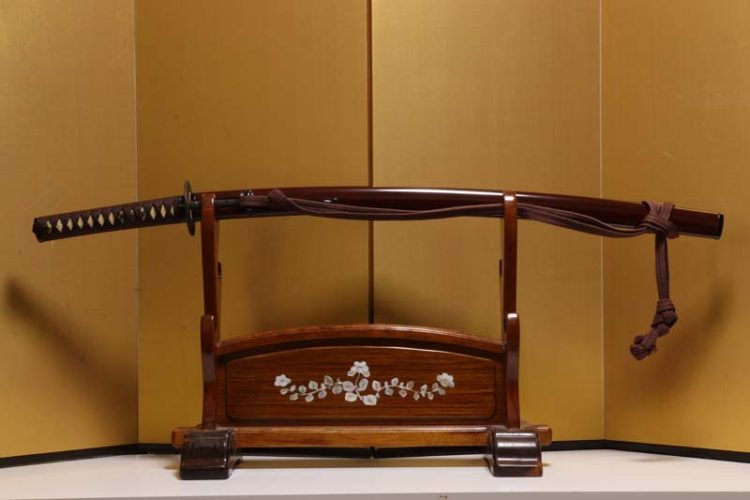
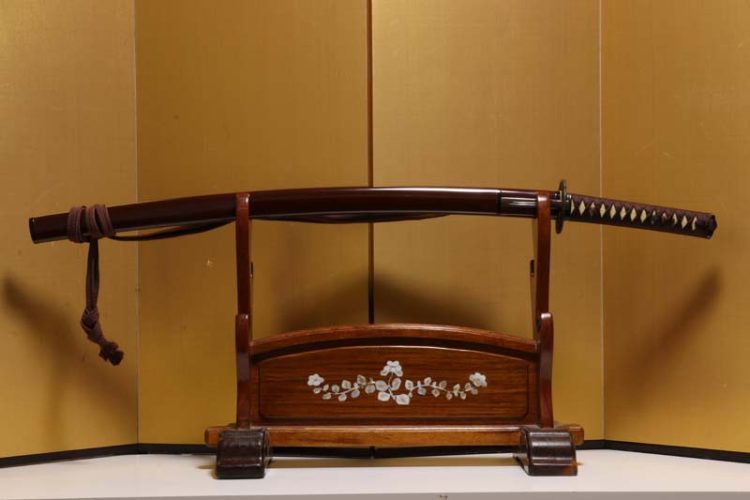
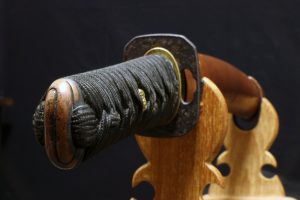
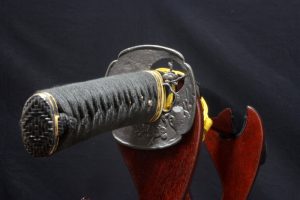
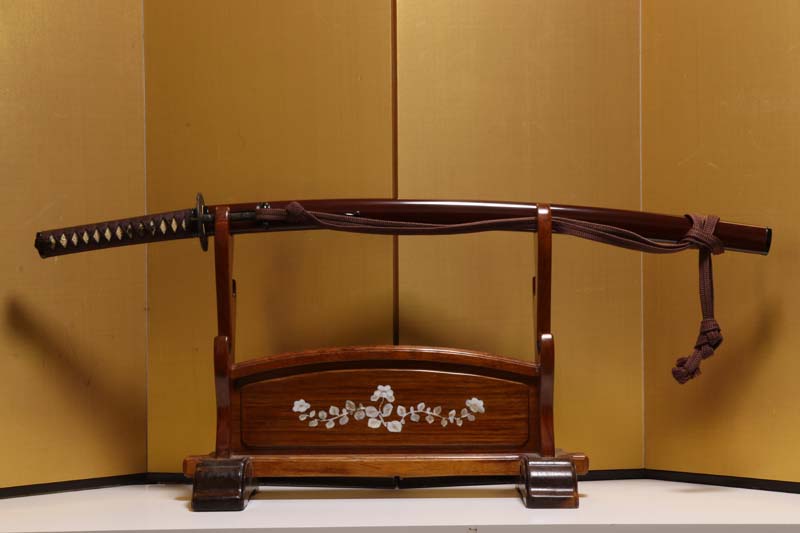
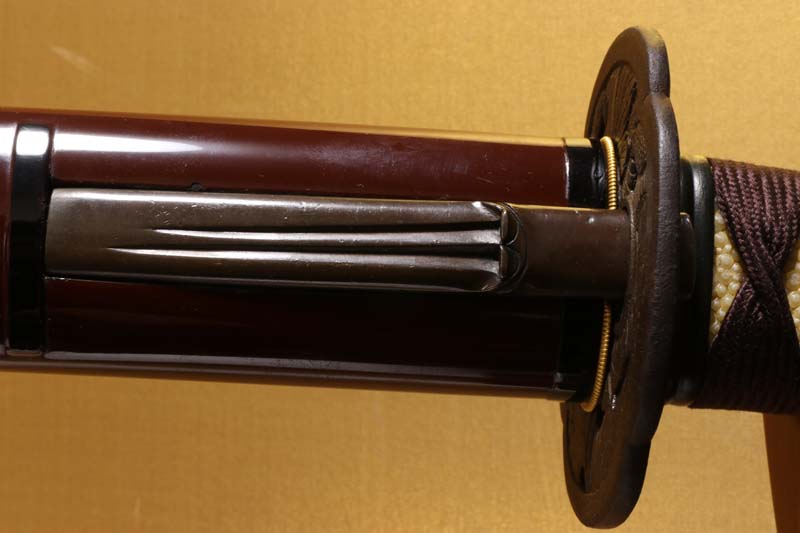
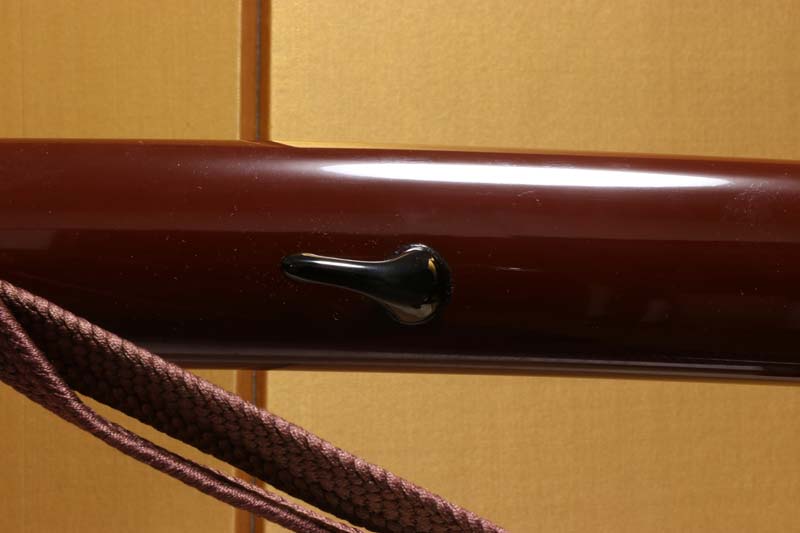
拵は、無鑑査の鞘師・姫路在住の前田先生によるものです。
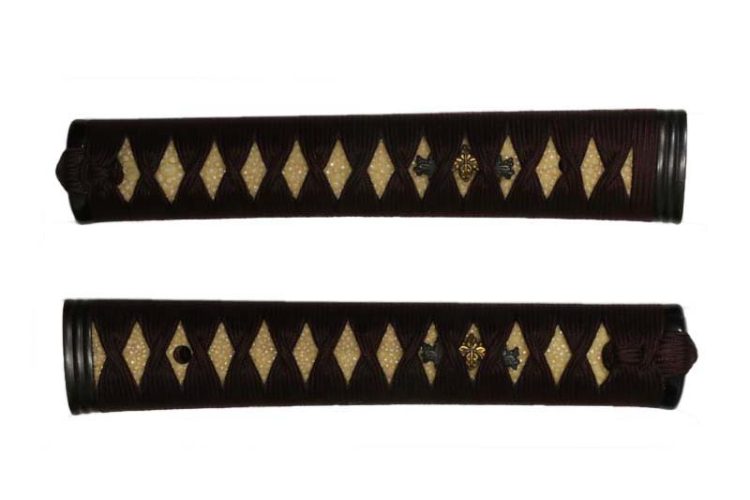
全体の姿はやさしく気品があり、鞘は本漆塗、柄巻は無鑑査クラスの柄巻師によって施されています。
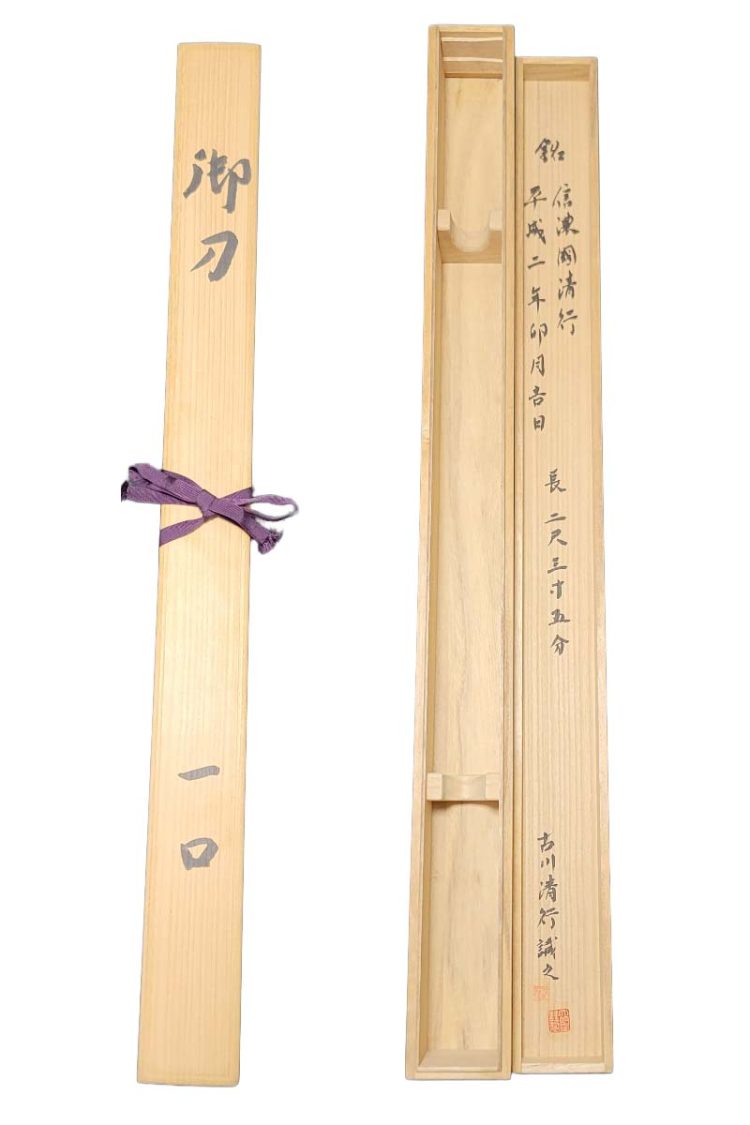
いずれも一流の職人による作品で、刀身・拵ともにコンディションは極めて良好です。また國行刀匠の自筆が書かれた桐の刀箱が付属します。
ぜひこの現代刀の逸品を、コレクションにお加えください。
Shinano no Kuni Kiyoyuki
Real name: Nobuo Furukawa
Born in 1948 (Shōwa 23) in Nagano City.
While studying at a science and engineering university in Tokyo, he encountered Japanese swords at a renowned sword exhibition held at the Shinano Art Museum, which inspired him to pursue the career of a swordsmith.
After graduating from university, he apprenticed under Miyairi Kiyohira in Sakaki Town.
In 1981 (Shōwa 56), he established his own forge in Maeyama, Shimohachiman, Nagano City, and began working independently.
He received numerous awards at the Newly Made Swords Exhibition organized by the Society for the Preservation of Japanese Art Swords, and in 2009 (Heisei 21) he was awarded the Chairman’s Award, the highest honor of the exhibition.
That same year, he attained the status of Mukansa swordsmith.
Sadly, he passed away in 2015 (Heisei 27) at the age of 67.
This particular sword won the Doryoku Prize (Effort Award) at the 1990 (Heisei 2) Newly Made Swords Exhibition.
It is a truly outstanding blade, featuring a bold and dignified overall form, finely forged jigane, and a gunome-chōji hamon rich in activity.
The koshirae was made by Maeda-sensei, a Mukansa-rank saya craftsman based in Himeji.
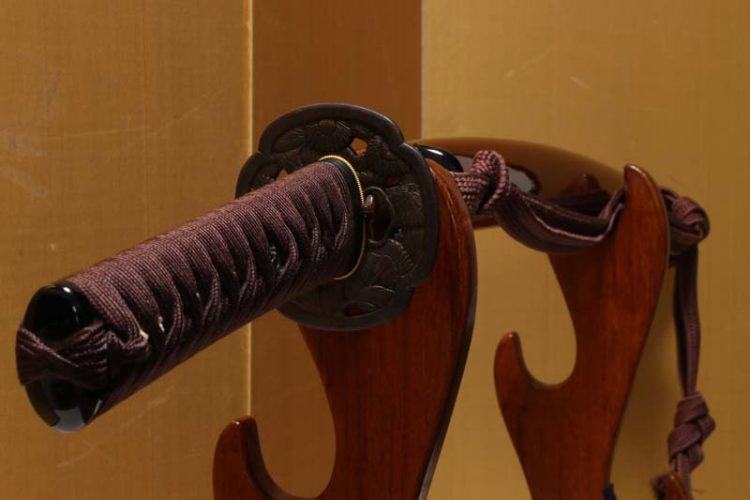
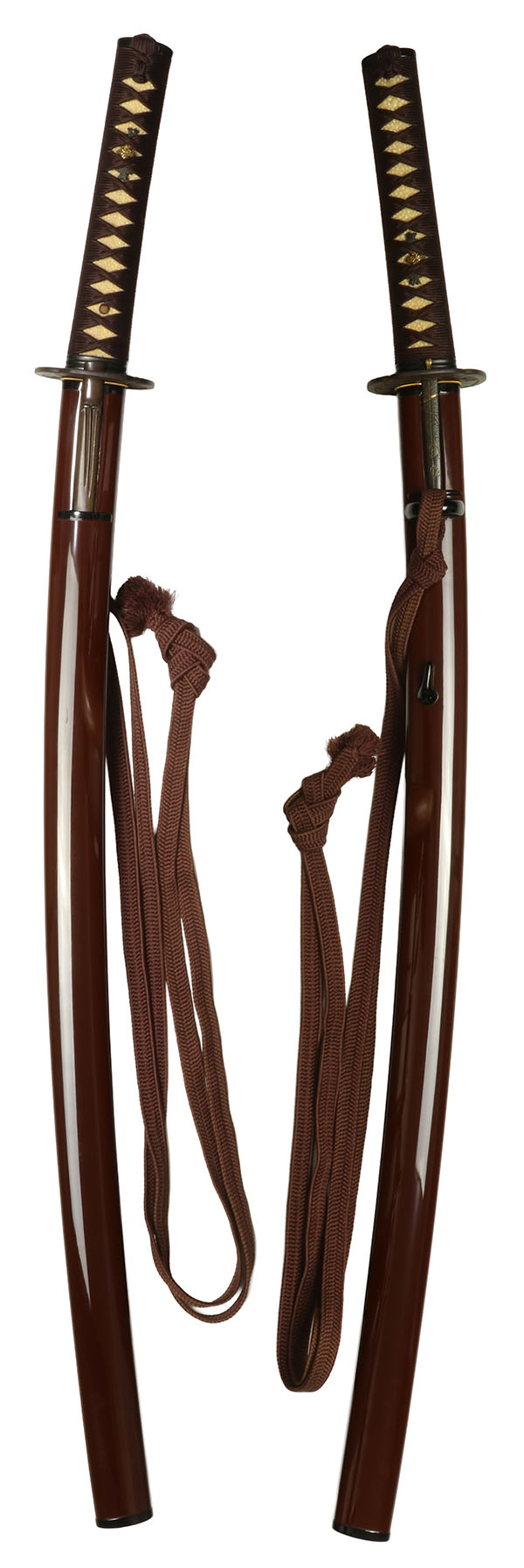
The overall appearance of the mounting is gentle and elegant; the saya is finished in hon-urushi lacquer, and the tsuka is wrapped by a Mukansa-class tsukamaki craftsman.
Both the blade and the koshirae are in exceptionally fine condition, representing the work of top-tier artisans.
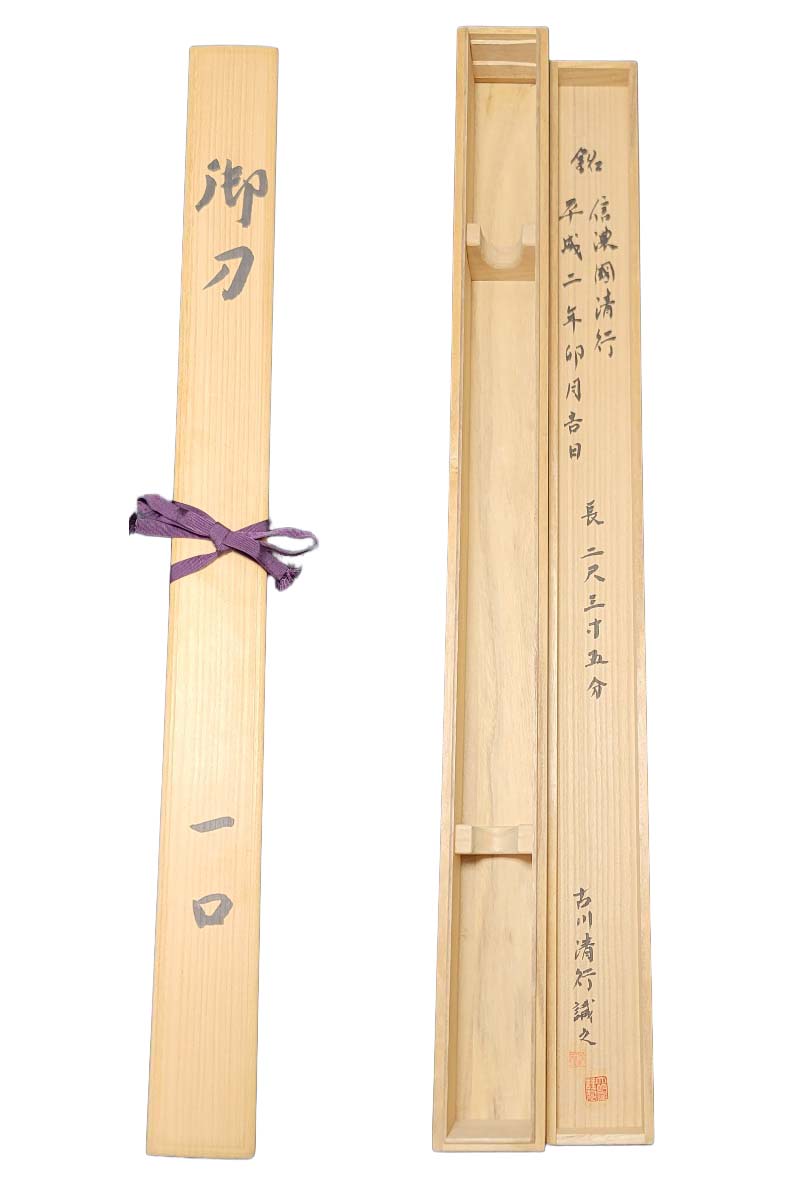
Also included is a paulownia storage box bearing an inscription handwritten by swordsmith Kiyoyuki himself.
Please consider adding this exceptional example of a modern Japanese sword to your collection.
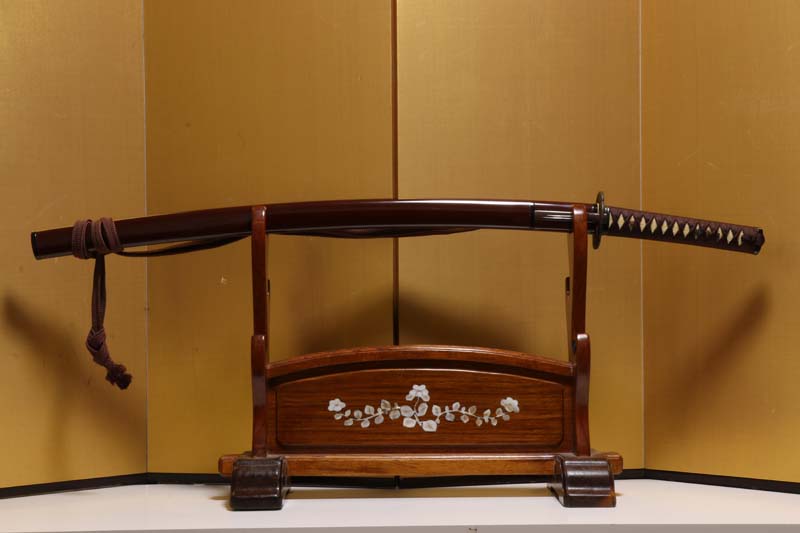
「拵 Koshirae」
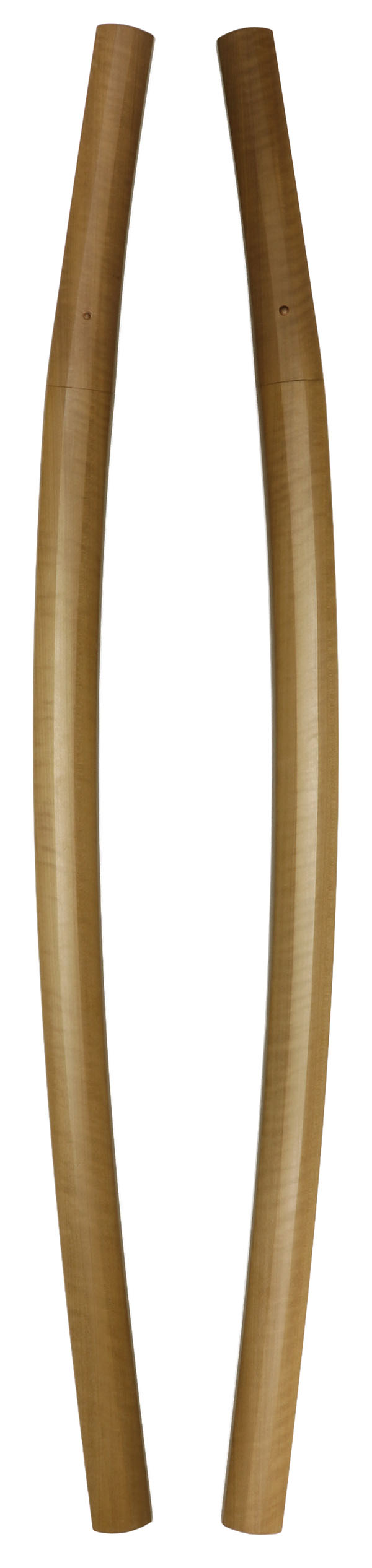
白鞘:虎班の高級白鞘。
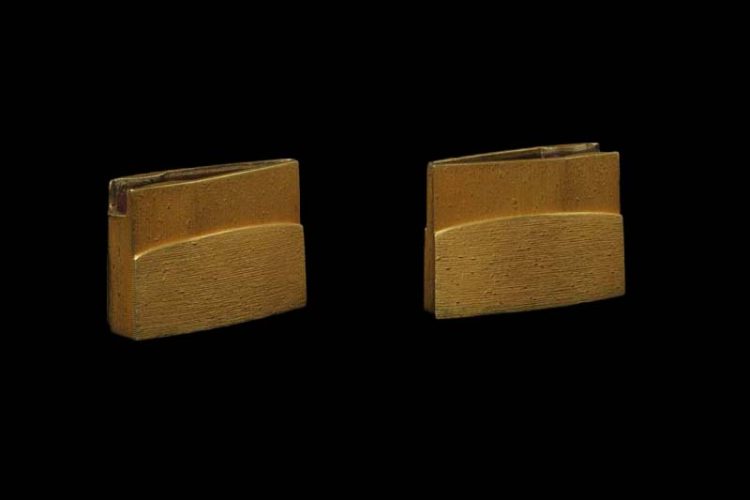
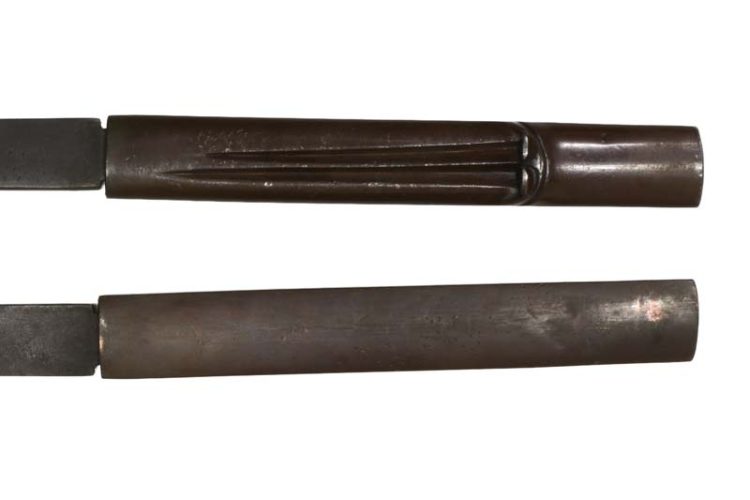
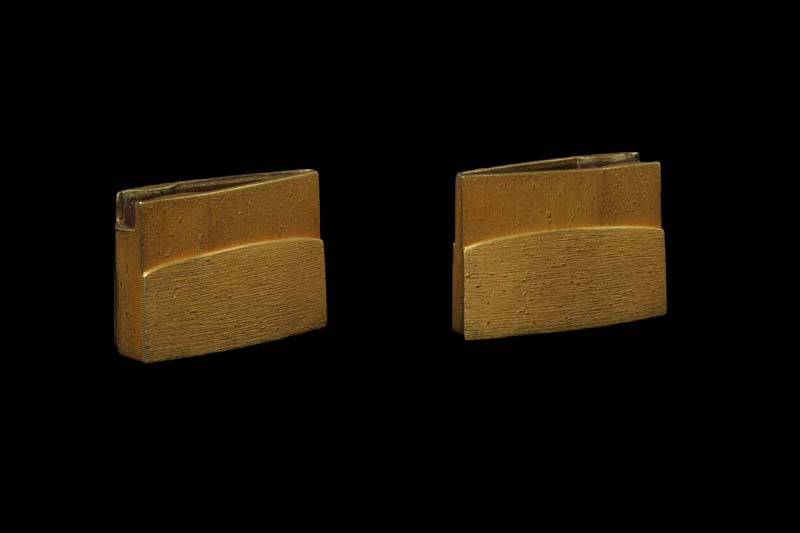
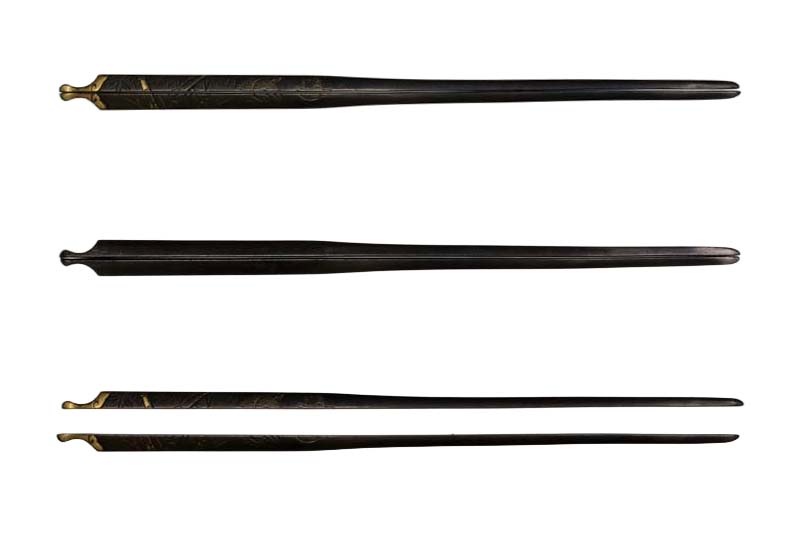
ハバキ(habaki) :素銅地金着二重。
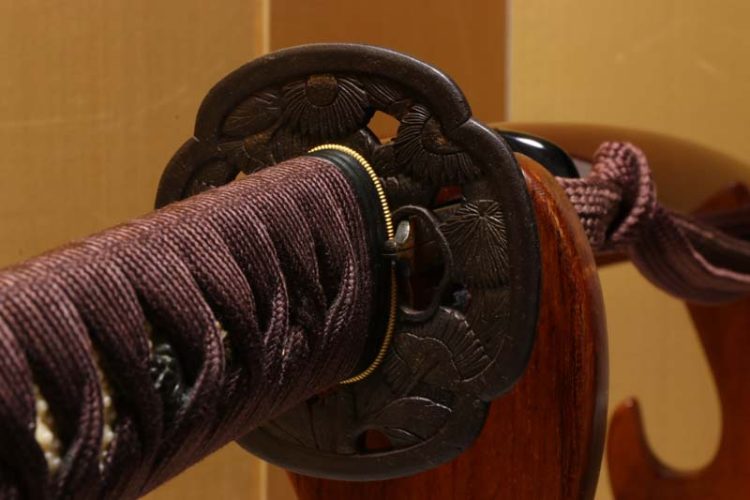
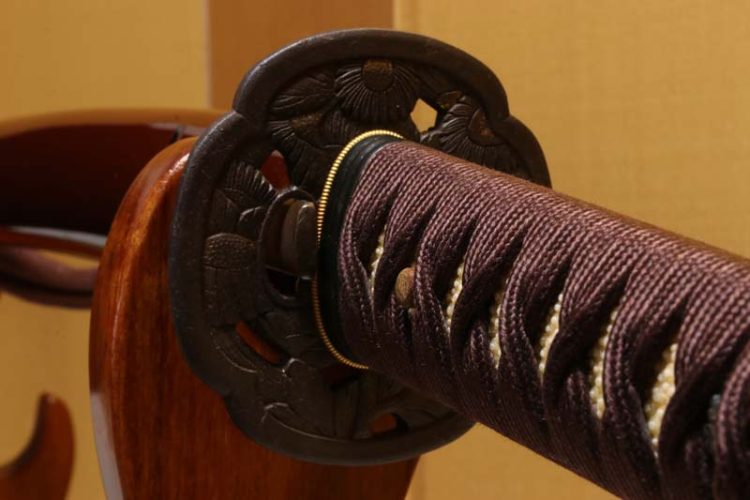
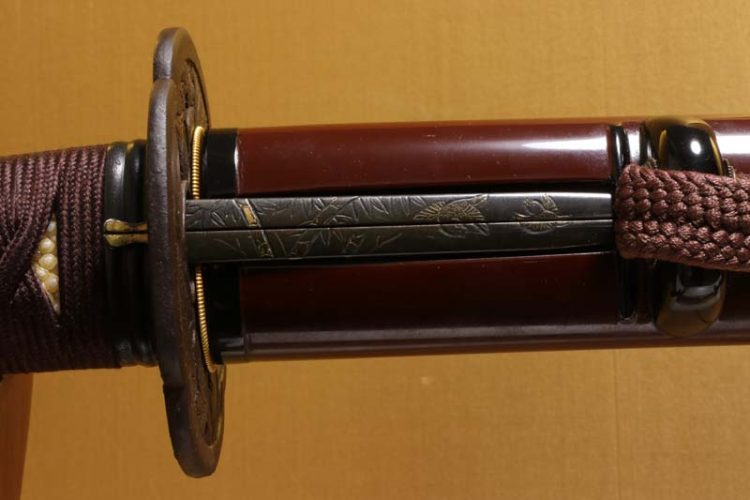
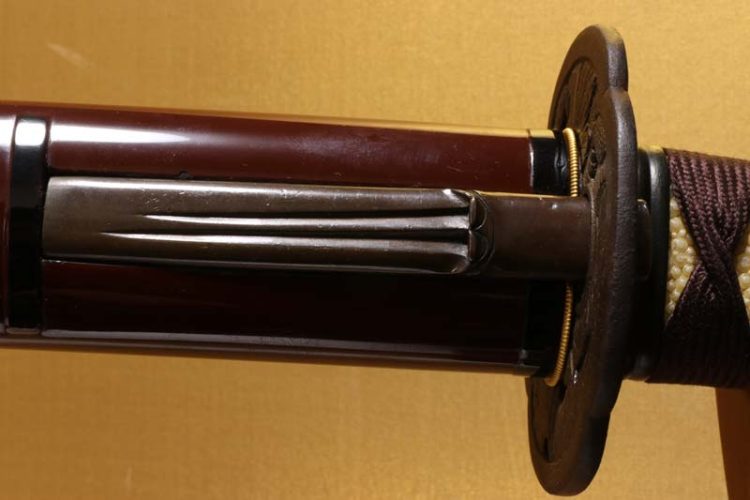
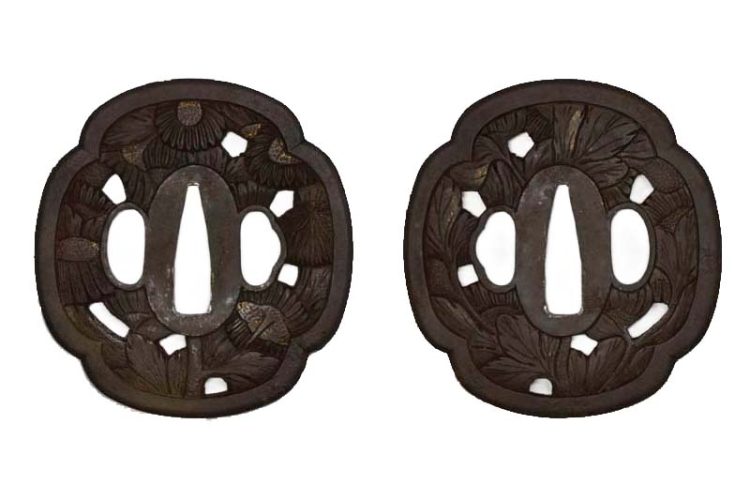
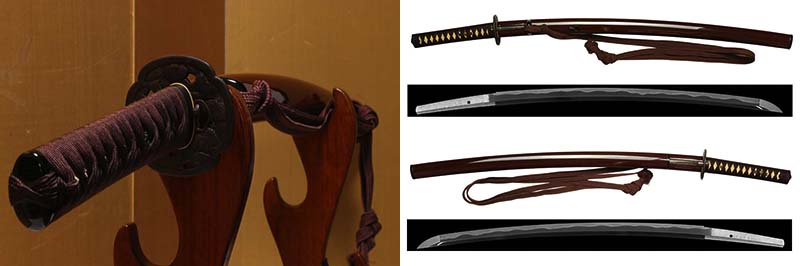
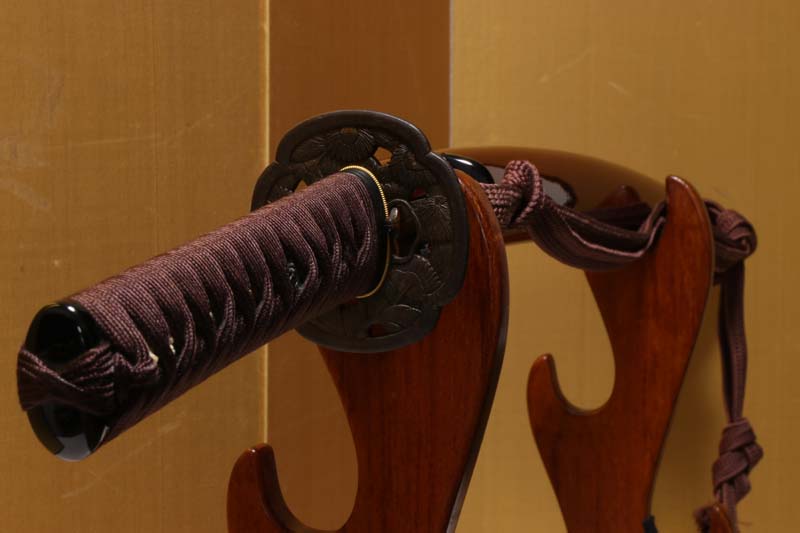
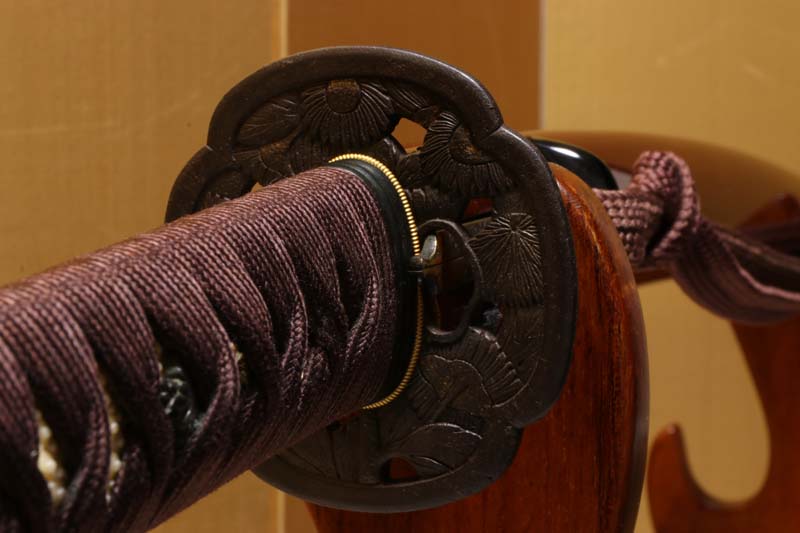
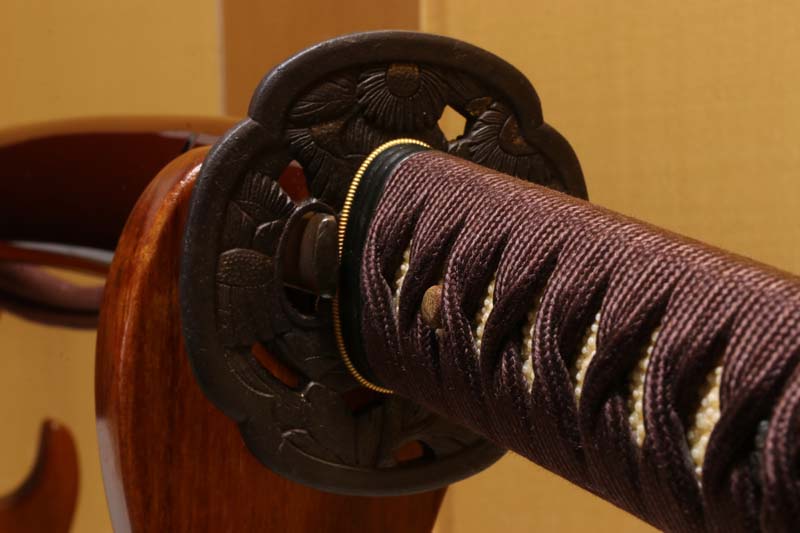
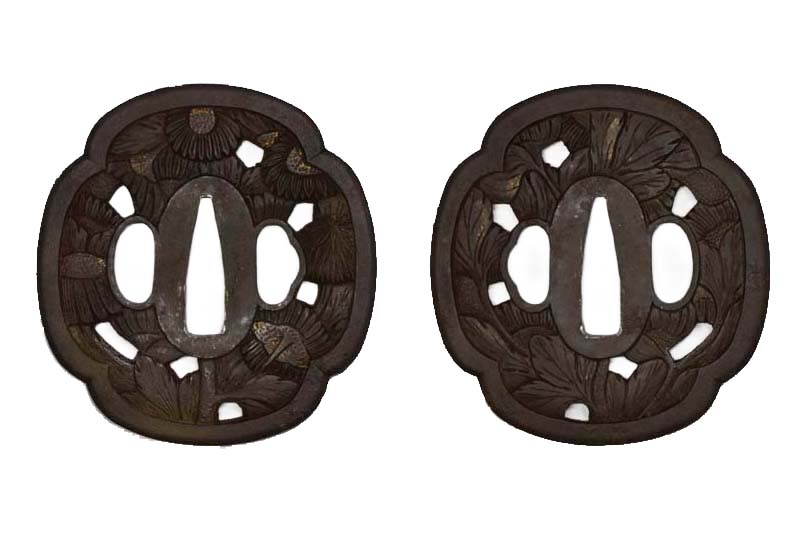
鍔(tsuba) :鉄地木瓜形菊の図。
縁頭(fhchikashira):縁は赤銅磨き地(奈良の上田師作)、頭は水牛の角。
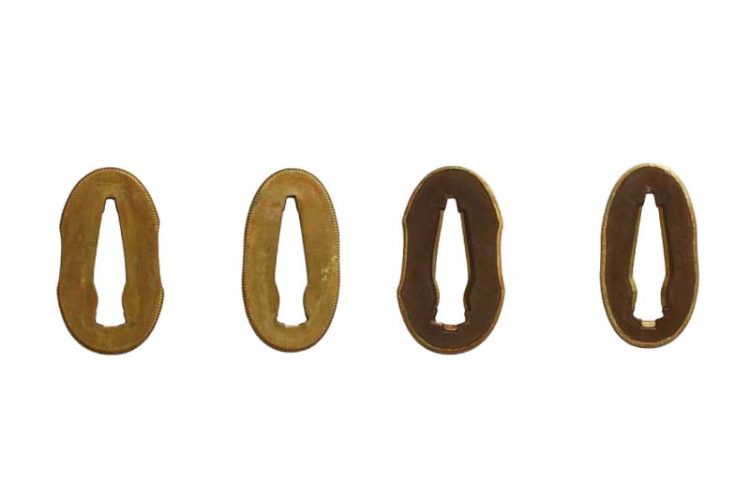
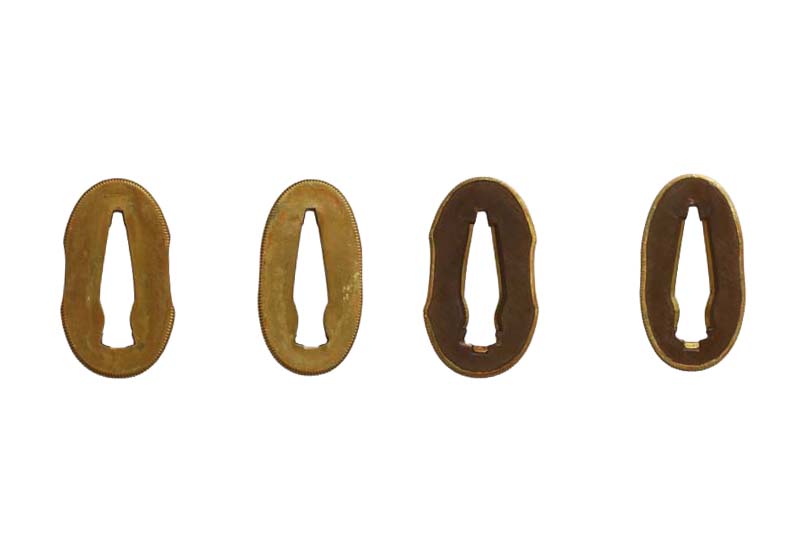
切羽(seppa) : 素銅地金着。
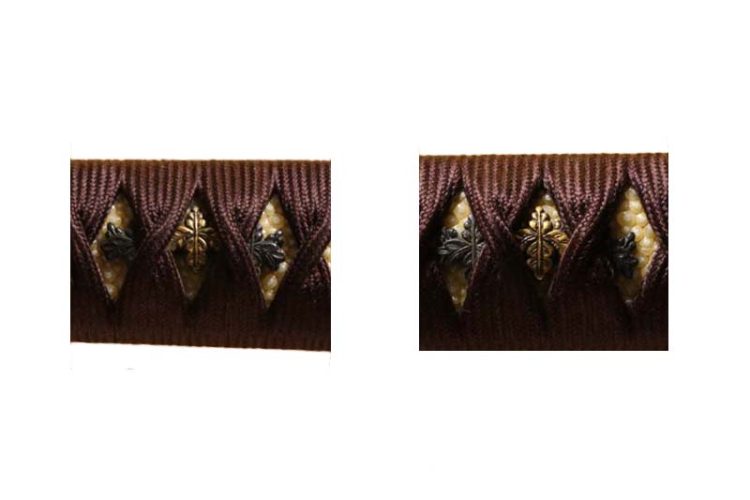
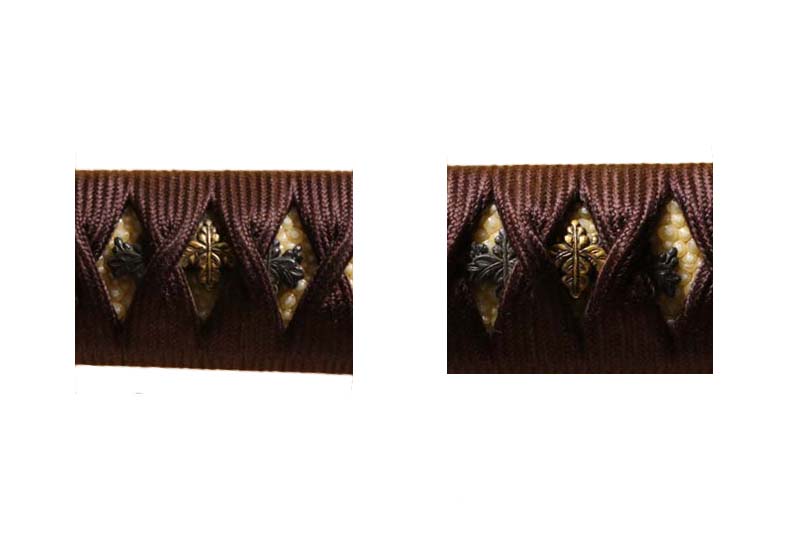
目貫(menuki) :赤銅地桐の図。
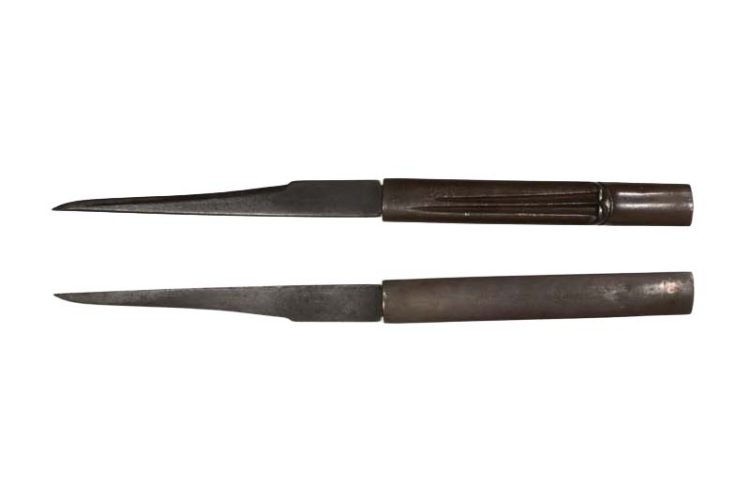
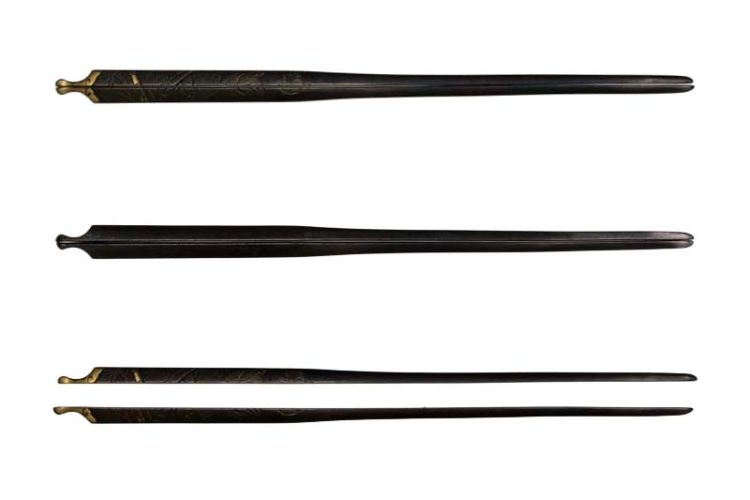
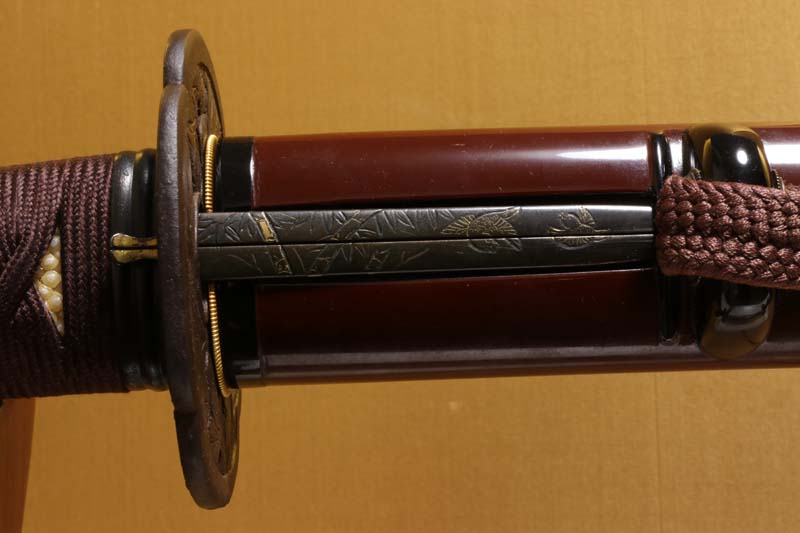
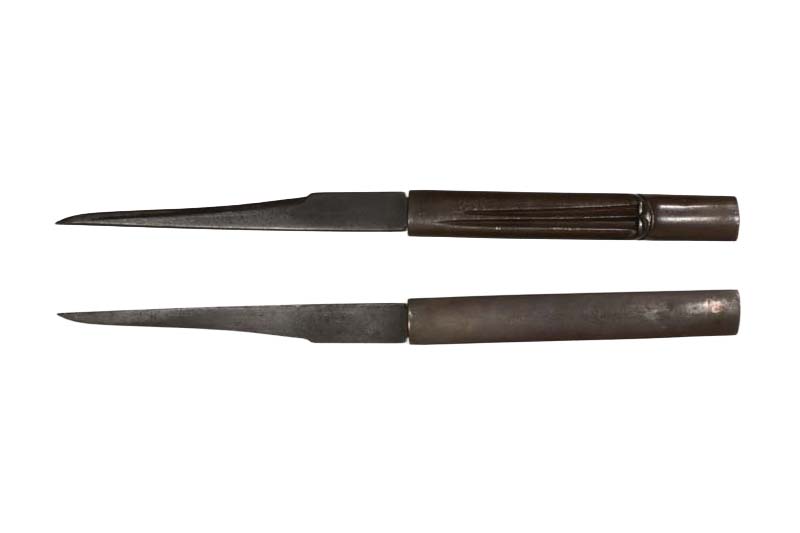
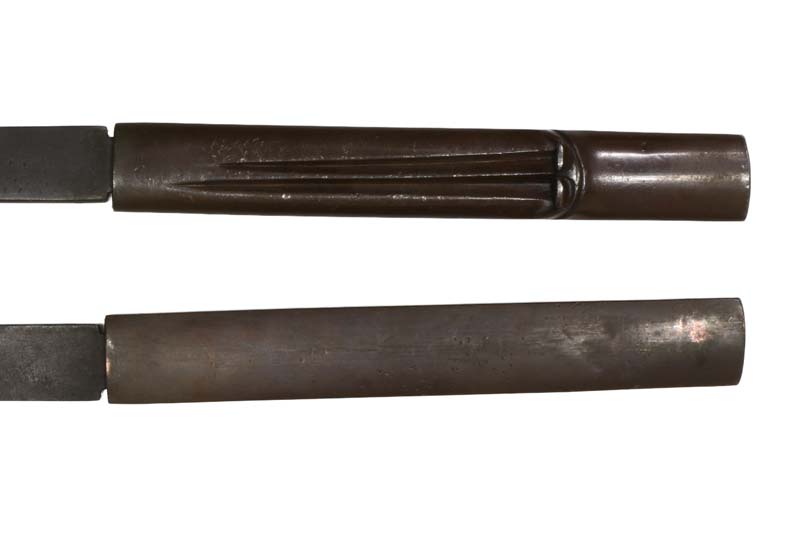
小柄(kotsuka) : 素銅地竹の図。
笄(koga) : 赤銅地割笄。
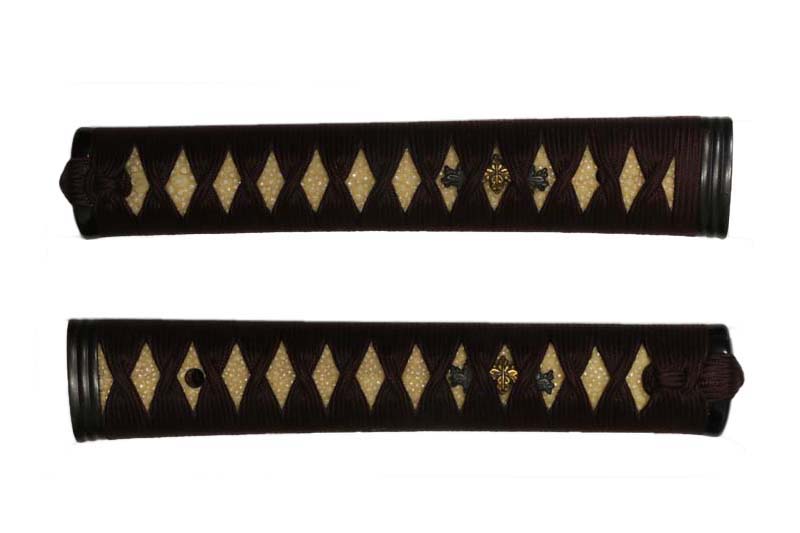
柄(tsuka) :鮫は親粒がつく、柄糸は正絹焦げ茶色の諸撮み巻。
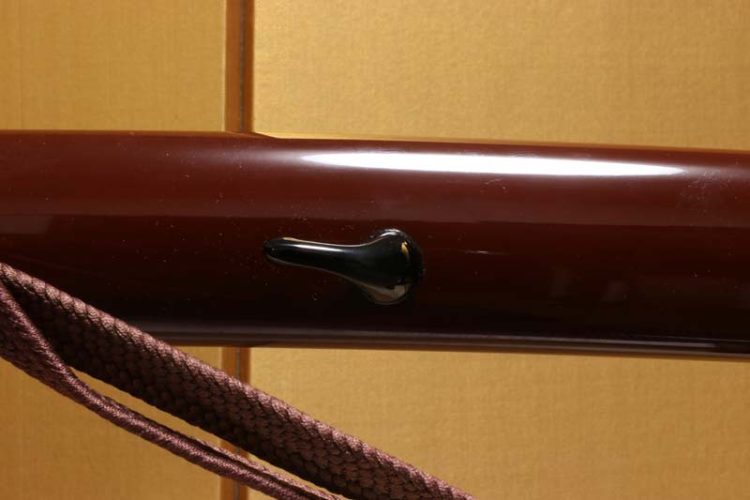
鞘(saya) :本漆の溜塗、つなぎ。
「刀剣の状態 condition of blade」
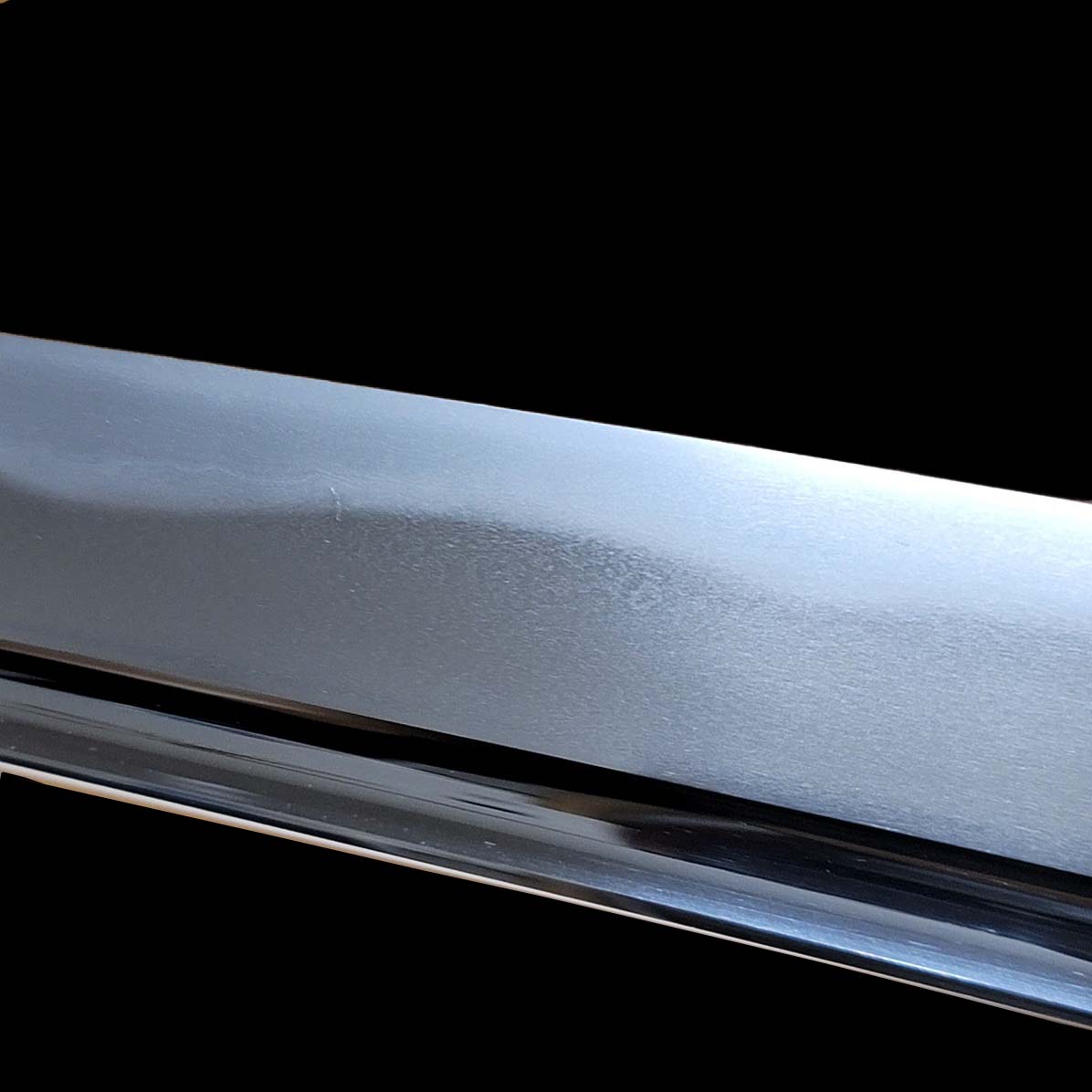
研:良好です。
傷:欠点に成るような、傷は有りません。